
Nuclear Showdown in Iran: Has America Redrawn the Lines?

Key Points
1.On June 21, 2025, President Trump announced U.S. strikes on Iran’s Fordow, Natanz, and Isfahan nuclear sites, declaring Fordow “no more.”
2.The operation involved B-2 stealth bombers with six GBU-57 “Mother of All Bombs” at Fordow and some 30 Tomahawk missiles at Natanz and Isfahan.
3.Trump plans a primetime address to praise the “historic” action and demand Tehran end its nuclear ambitions.
4.Israel’s PM Netanyahu lauded the move as “peace through strength,” while U.S. diplomats in Iraq are drawing down non-essential staff.
5.Experts warn Iran will likely retaliate, risking wider regional conflict and higher energy prices.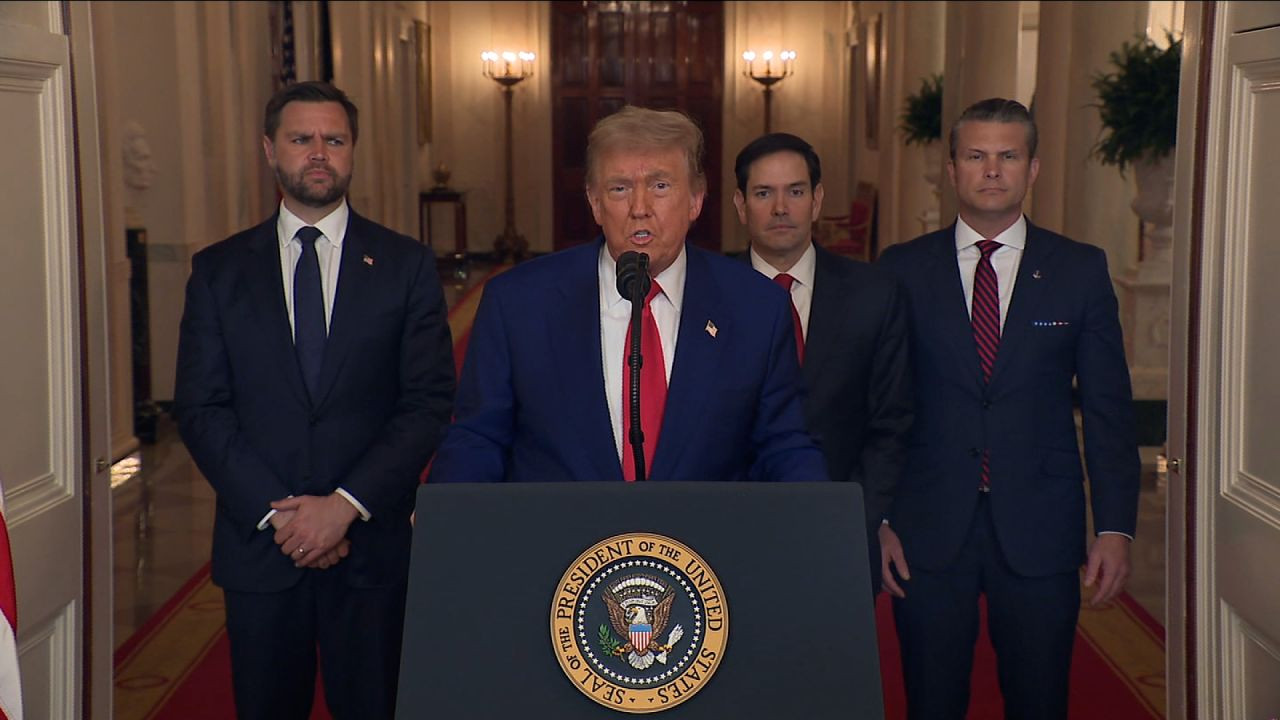
What Exactly Happened?
On June 21, President Trump used his social platform to declare that U.S. forces had struck three key Iranian nuclear sites: Fordow, Natanz, and Isfahan.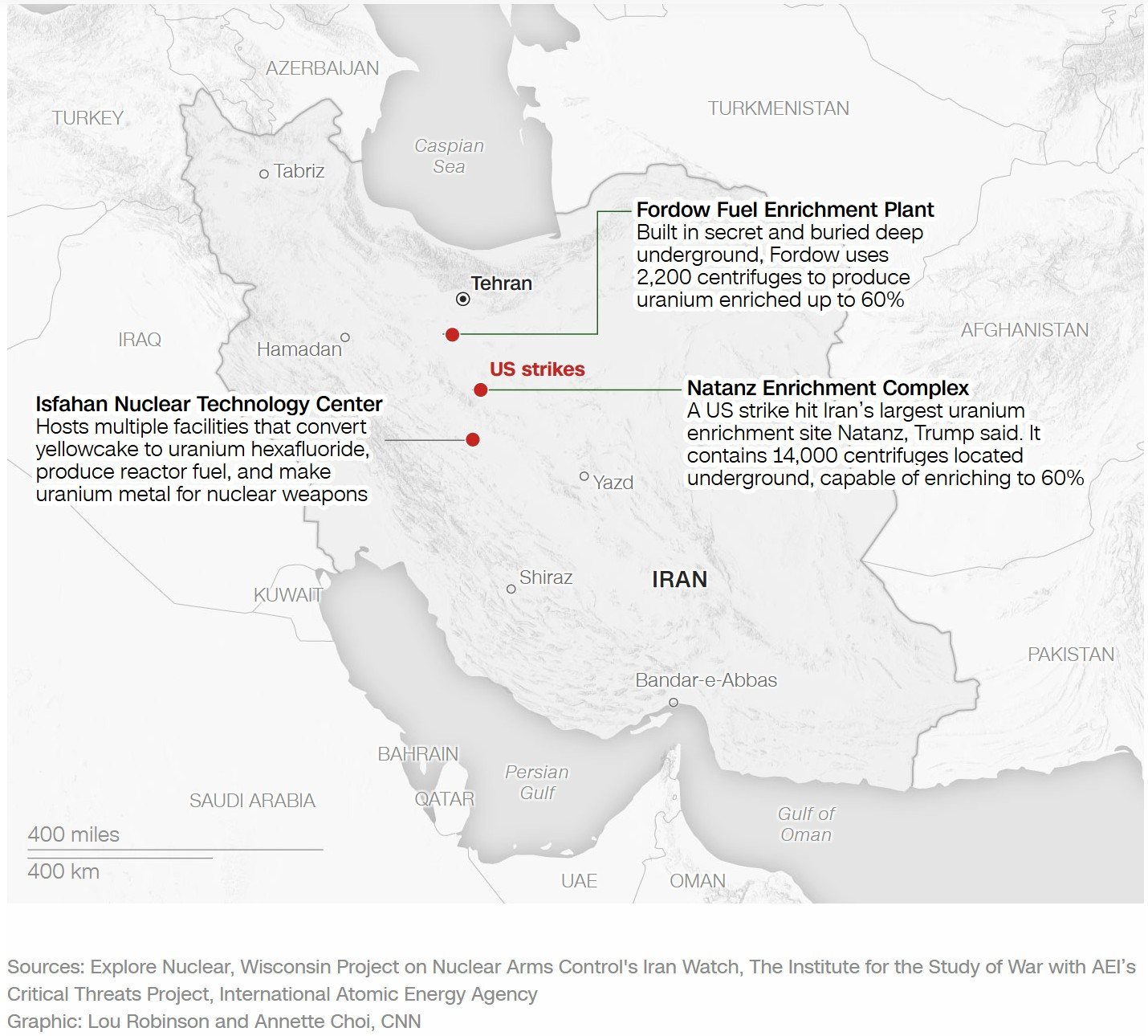
He proclaimed Fordow “no more,” asserting that deep-buried uranium enrichment halls had been neutralized. The strikes shifted Middle East tensions into an even more perilous phase.
Military insiders report B-2 stealth bombers dropped six GBU-57 “Mother of All Bombs” on Fordow’s underground network. Meanwhile, roughly 30 Tomahawk cruise missiles hit Natanz’s centrifuge halls and Isfahan’s research complex.
U.S. officials say all targets—two major enrichment centers and a suspected weapons-grade stockpile site—were successfully engaged with no U.S. casualties.
Trump announced a White House address at 10 p.m. EDT to frame the operation as “very successful.” He emphasized this was a joint achievement with Israel and insisted Iran must now agree to end its nuclear program.
Though no further strikes are planned, U.S. forces stand ready to respond to any Iranian retaliation.
How Are Leaders Responding?
Israeli Prime Minister Benjamin Netanyahu quickly released a video praising Trump’s decision as a “historic moment.” He echoed the motto “peace through strength,” insisting that dismantling Iran’s nuclear capability was essential for lasting security.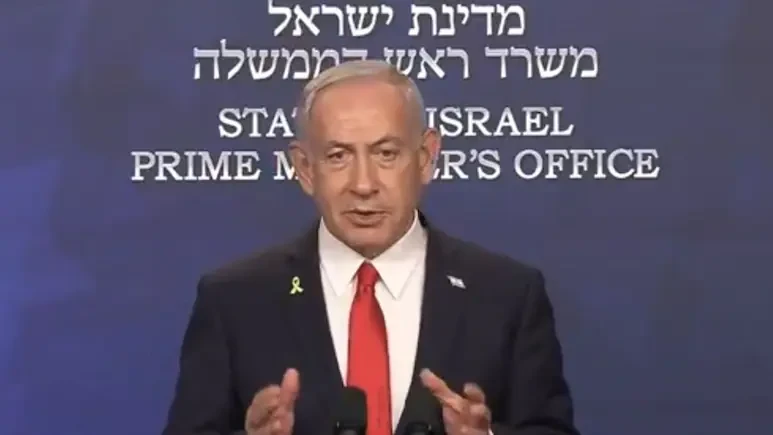
Netanyahu thanked the U.S. for “righteous might” and predicted the strikes would reshape regional power balances.
Meanwhile, CNN reports the State Department has begun drawing down additional diplomatic staff from Iraq. At least one evacuation flight departed before Jordan closed its airspace post-strike.
Remaining personnel will maintain skeletal operations in Baghdad and Erbil, with routine visa services suspended and only consular assistance for U.S. citizens continuing.
Iran has yet to officially respond, but senior Iranian officials privately acknowledge the U.S. raid. They believe the strikes were conducted in the early hours, targeting both Fordow and Natanz. Tehran now faces immense domestic pressure to react decisively, but analysts speculate Iran may calibrate a response to avoid full-scale war.
Experts Warn of Retaliation and Market Turmoil
Analysts caution that the unprecedented strikes almost guarantee a response from Iran’s Supreme Leader Ayatollah Khamenei. Carnegie’s Aaron David Miller calls it “almost impossible” for Iran to do nothing after such humiliation.
He notes Iran’s substantial investment—some $5 trillion—into its nuclear program and warns that “short-range missiles” and proxy networks threaten U.S. assets across the Middle East.
Energy markets spiked immediately: Brent crude jumped over 4%, while gold rose nearly 1.3%. Traders fear Iranian retaliatory attacks on shipping lanes or oil infrastructure.
Any escalation could further disrupt global energy supplies and drive prices higher, compounding inflationary pressures already stoked by tariffs and supply-chain strains.
Global and Regional Implications
The deep-underground nature of Fordow—80 to 90 meters beneath rock—meant only the U.S. “Mother of All Bombs” could reach it. Destroying Fordow could set Iran’s nuclear timetable back years, unless parallel facilities remain hidden.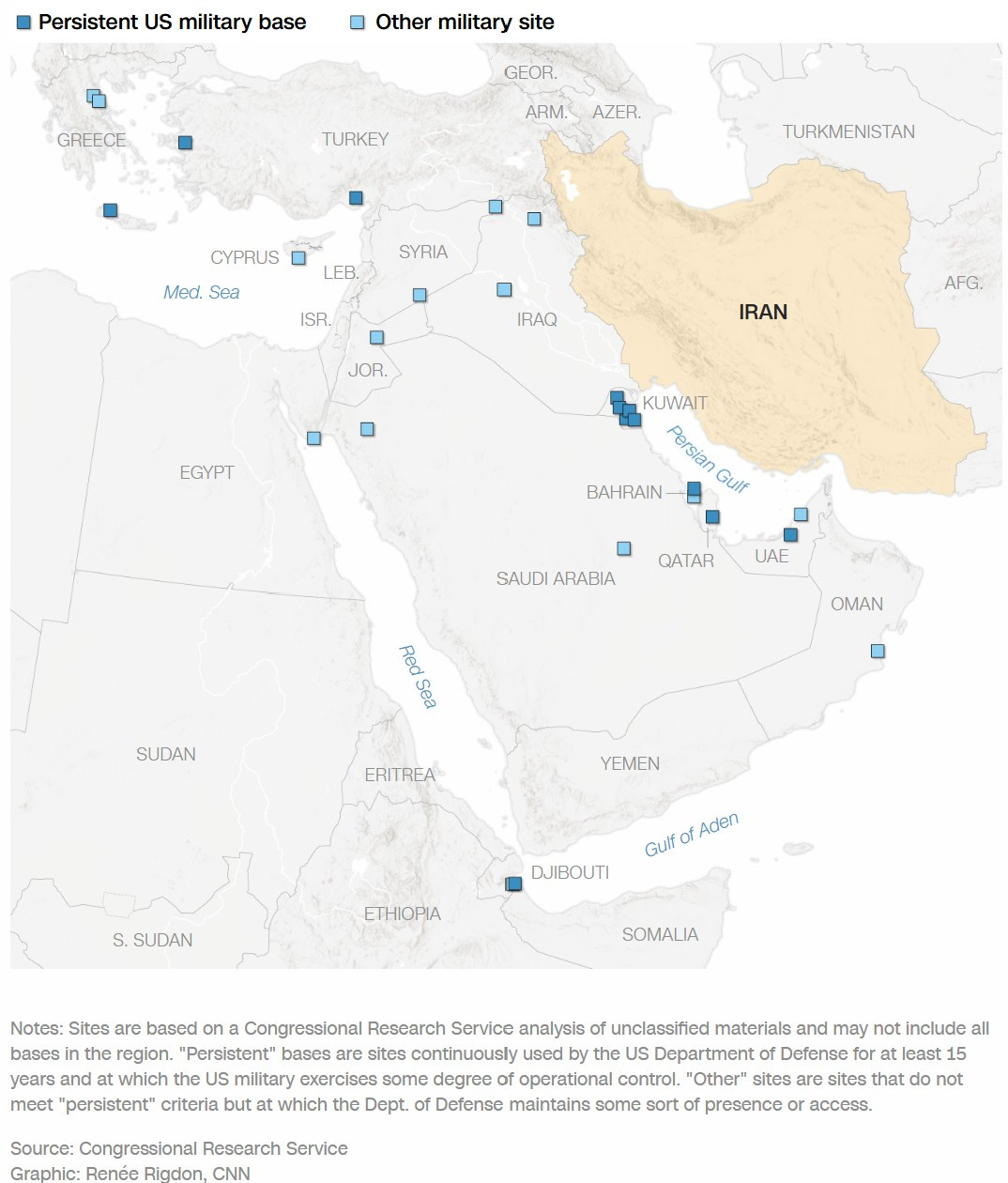
Natanz’s above-ground halls, housing up to 50,000 centrifuges, were similarly targeted to halt uranium enrichment at levels up to 60%.
Isfahan’s sprawling complex, built with Chinese support and home to thousands of scientists, also suffered missile strikes.
Its research reactors, conversion facility, and zirconium plant are central to Iran’s nuclear fuel cycle. Disabling them not only degrades weaponization potential but also hampers civilian energy research.
The strikes mark a new chapter in U.S. military engagement in the Middle East—far beyond protective operations. They signal a willingness to employ strategic bombing against buried assets and risk drawing in regional powers.
Tehran’s response—and its timing—will determine whether this gamble forces Iran back to negotiations or triggers a wider conflict.
As Trump prepares his nationwide address, the world watches to see if this forceful assertion will secure peace—or ignite a more dangerous confrontation.