
War Tensions Are Rising And Defense Stocks Are Surging But What Comes Next?

Markets don’t usually wait for a war to officially begin. They move first, and fast. And last Friday, that’s exactly what happened when Israel launched its biggest strike on Iran in decades.
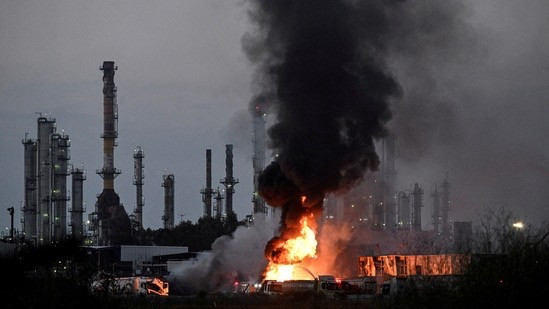
The operation, dubbed “Rising Lion”, was a large-scale air assault on Iran’s military and nuclear facilities. Over 200 fighter jets were involved. Key Iranian officials were reportedly targeted. Iran responded with a wave of drones. While most were intercepted, the message was clear: this is no longer a shadow conflict—it’s out in the open now.
Markets immediately reacted. Gold and oil jumped. Defense stocks rallied hard. Bitcoin stumbled.
This wasn’t just about headlines. It was about pricing in risk. And that tells us a lot about how markets are reading this moment.
Why This Attack Is So Different
According to analysts from Eurasia Group and The Wall Street Journal, this was the most aggressive Israeli attack on Iran since the 1980s Iran-Iraq war.
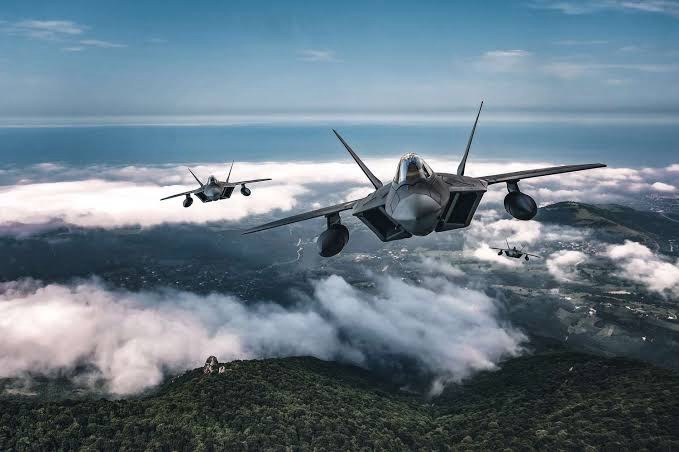
Israel’s Defense Minister declared a national emergency and warned that Iranian retaliation was almost certain. It followed through just hours later, launching around 100 drones back at Israel. Most were shot down, but the escalation was already in motion.
What makes this different from past skirmishes is the scale and the targets. Israel reportedly hit over 100 strategic sites, including military command centers and nuclear-related infrastructure. In other words, this wasn’t symbolic—it was strategic.
This comes on top of what many analysts believe is a de facto war that’s been brewing between Israel and Iran since 2024.
What Markets Did Right After
Here’s how markets moved in the immediate aftermath of the strike:
• Defense stocks surged
$RTX (Raytheon) rose 3.7%, $LMT Lockheed Martin up 2.6%, $NOC Northrop Grumman gained 3.9%, and $GD General Dynamics jumped 3.3%. These are all major U.S. defense contractors that supply countries like Israel.
• Gold climbed 1.5%, reaching about $3,450 per ounce
When geopolitical risk spikes, gold tends to go up—it’s the classic safe haven asset.
• Oil prices spiked 5% to around $70 a barrel
That’s because Iran is a major oil producer, and the fear is that tensions could threaten oil supply routes, especially around the Persian Gulf.
• U.S. stock indexes fell
The $SPX dropped 1.1%, and the $DJI lost 1.8%. Uncertainty is never good for equities.
So what we saw is a textbook reaction: risk-off across equities, and a flood into defense stocks, commodities, and traditional safe-haven assets.
Why Defense Stocks Are Moving So Fast
When wars (or the threat of wars) break out, defense contractors are often the first to benefit.
Israel is one of the biggest buyers of American military equipment. Think Lockheed’s F-35 fighter jets—they were reportedly used in this operation, just like in the October 2024 airstrikes.

And here’s the key: these are not short-term gains. Defense spending tends to be sticky. Once governments start placing orders, those contracts can stretch out for years. Investors know this.
Defense companies also tend to be “non-cyclical”, meaning their earnings are less tied to the ups and downs of the economy. As long as conflict exists, demand for defense tech will stay strong.
But Bitcoin Didn’t Rally This Time
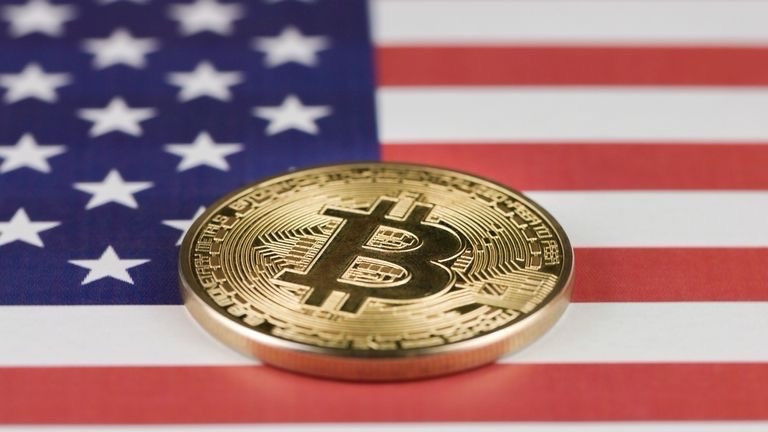
This part surprised many people. In an environment of rising global tension and uncertain markets, some expected Bitcoin to act more like “digital gold.” Instead, it fell 4% to 6% during the initial news cycle.
Why?
Because Bitcoin is still seen as a risk asset in moments of extreme fear. Yes, it’s decentralized. Yes, it’s anti-inflationary. But when the world gets hit with a geopolitical shock, investors often rush to reduce exposure to anything volatile.
That’s why we saw gold surge—and Bitcoin sink.
We’ve seen this before:
• In early 2022, during the Russia-Ukraine invasion, Bitcoin sold off hard before bouncing back.
• In late 2023, when the Hamas-Israel war broke out, Bitcoin fell sharply at first, then recovered later.
This time may follow a similar pattern. Short-term pain, followed by medium-term rebound—unless the conflict escalates into something much bigger.
Four Key Takeaways From This Shockwave
1. Defense stocks are rising for real reasons
This isn’t just speculation. Israel will likely ramp up military spending, and U.S. contractors stand to benefit through long-term contracts.
2. Gold could keep climbing, but the gains may not last
If the situation cools down quickly, gold might give back some of its recent gains. If things worsen, it could find a new floor above $3,500.
3. Bitcoin is not yet a true war hedge
Its long-term thesis is intact, but in a real-world war scare, Bitcoin still trades like a high-beta tech stock—not a safe haven.
4. Oil and energy markets could get a lot more volatile
If the conflict spills into shipping routes or if sanctions come back into play, we’re looking at much higher energy prices worldwide.
This Isn’t Just About War It’s About How Capital Moves in Crisis
What we’re seeing here isn’t just a reaction to bombs—it’s a reflection of how the market prices power, risk, and uncertainty.
Investors aren’t betting on bloodshed. They’re trying to get ahead of how governments and corporations will respond. Where money will flow. Which sectors will expand. Which ones will shrink.
In that sense, the market doesn’t wait for CNN. It moves before the headlines are written.
And the smartest thing you can do right now? Watch the capital flows, not just the explosions.