
Market Mayhem Unleashed: Could Trump’s Iran Strike Spark a Global Economic Shock?

President Trump announced a “very successful” attack on three Iranian nuclear facilities on Saturday.
He claimed all aircraft returned safely and insisted this was a one-time action intended to neutralize Tehran’s uranium enrichment.

The sudden operation defied recent diplomatic expectations and instantly thrust energy markets into turmoil.
The strike targeted key facilities believed to house advanced centrifuges. Trump’s decision came after two weeks of negotiations that had raised hopes for de-escalation.
His post on Truth Social declared, “Now is the time for peace,” yet the world braced for retaliation.
Global news outlets, including CCTV News and Huanqiu.com, reported widespread surprise at the timing.
Analysts noted that markets had little warning and would struggle to price in the new risk premium. The attack’s precision underscored U.S. military reach but also exacerbated regional volatility.
President Netanyahu praised the U.S. action in a video address, calling it “historic cooperation” in eliminating a dire threat to Israel.
The display of unity between Washington and Jerusalem added political weight to the operation’s broader implications.
Key Takeaways
1.Trump struck Iran’s nuclear sites unexpectedly, emphasizing a one-time, precision mission without seeking prolonged conflict.
2.Initial market reactions forecasted a sharp oil price spike as uncertainty enveloped the energy sector.
3.Analysts diverged on stock market impacts: some saw confidence in swift action, others warned of inflationary pressure.
4.Investors focused on Iran’s potential retaliation, particularly threats to the Strait of Hormuz shipping corridor.
5.Bank of America analysts projected gold to reach $4,000 per ounce next year, driven by U.S. fiscal policies rather than geopolitics.
What Are the Oil Market’s Immediate Reactions?
Analysts agree that crude prices will jump initially. Mark Spindel of Potomac River Capital warned of panic-driven buying and heightened volatility.
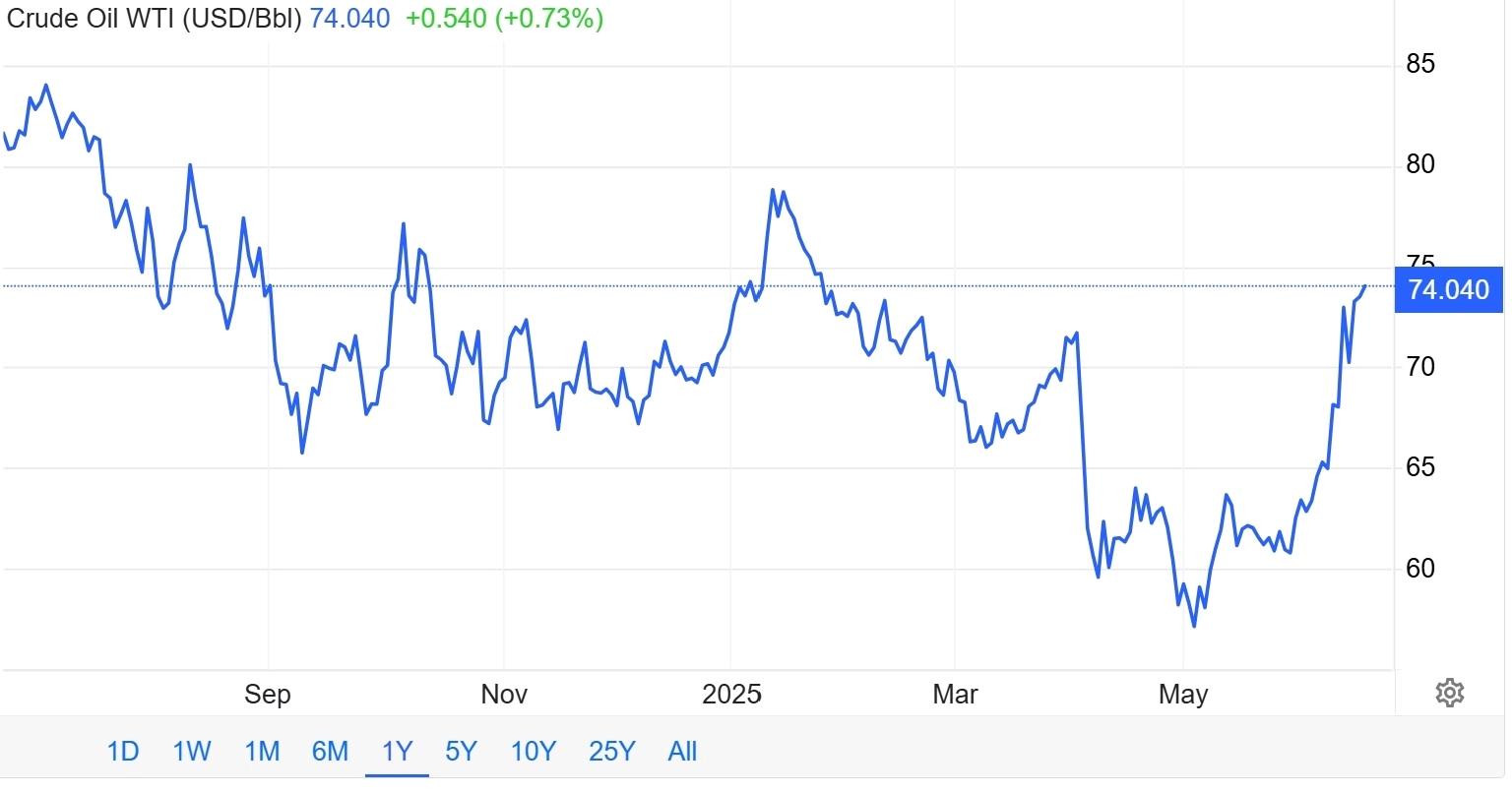
He noted that U.S. personnel and interests everywhere now carry a new risk premium.
Jamie Cox of Harris Financial Group predicted a sharp oil rally, followed by a quick stabilization within days.
He argued that Iran, having lost its nuclear leverage, may still seek peace, limiting sustained supply disruptions.
The major concern remains the Strait of Hormuz. If Iran retaliates by threatening or blocking passage, around 20% of global oil trade could be at risk.
Markets will watch tanker traffic and insurance premiums closely.
Traders will also monitor weekend trading in Asia. Early indicators from the New Zealand dollar and Asian FX markets could signal how risk appetite shifts before U.S. and European exchanges open.
Will Equity Markets Find Calm After the Storm?
Bullish investors point to the strike’s surgical nature. Mark Malek of Siebert Financial argued the absence of plans for extended conflict could reassure stock markets, framing the strike as a contained event.
Optimists suggest that rapid action avoids drawn-out uncertainty. A brief jolt may be followed by relief rallies once the immediate threat recedes, especially if no further U.S. military steps are announced.
Yet others caution that persistent geopolitical tension often fuels risk aversion. Elevated oil prices feed into consumer and producer costs, potentially squeezing corporate margins and denting earnings forecasts.
Bank sentiment surveys will be critical this week. Money managers’ shifting allocations between equities, bonds, and safe havens will reveal confidence levels as the dust settles.
Is Gold Poised for a Meteoric Rise?
Bank of America analysts forecast gold climbing to $4,000 per ounce next year, a 19% gain from current levels around $3,400.
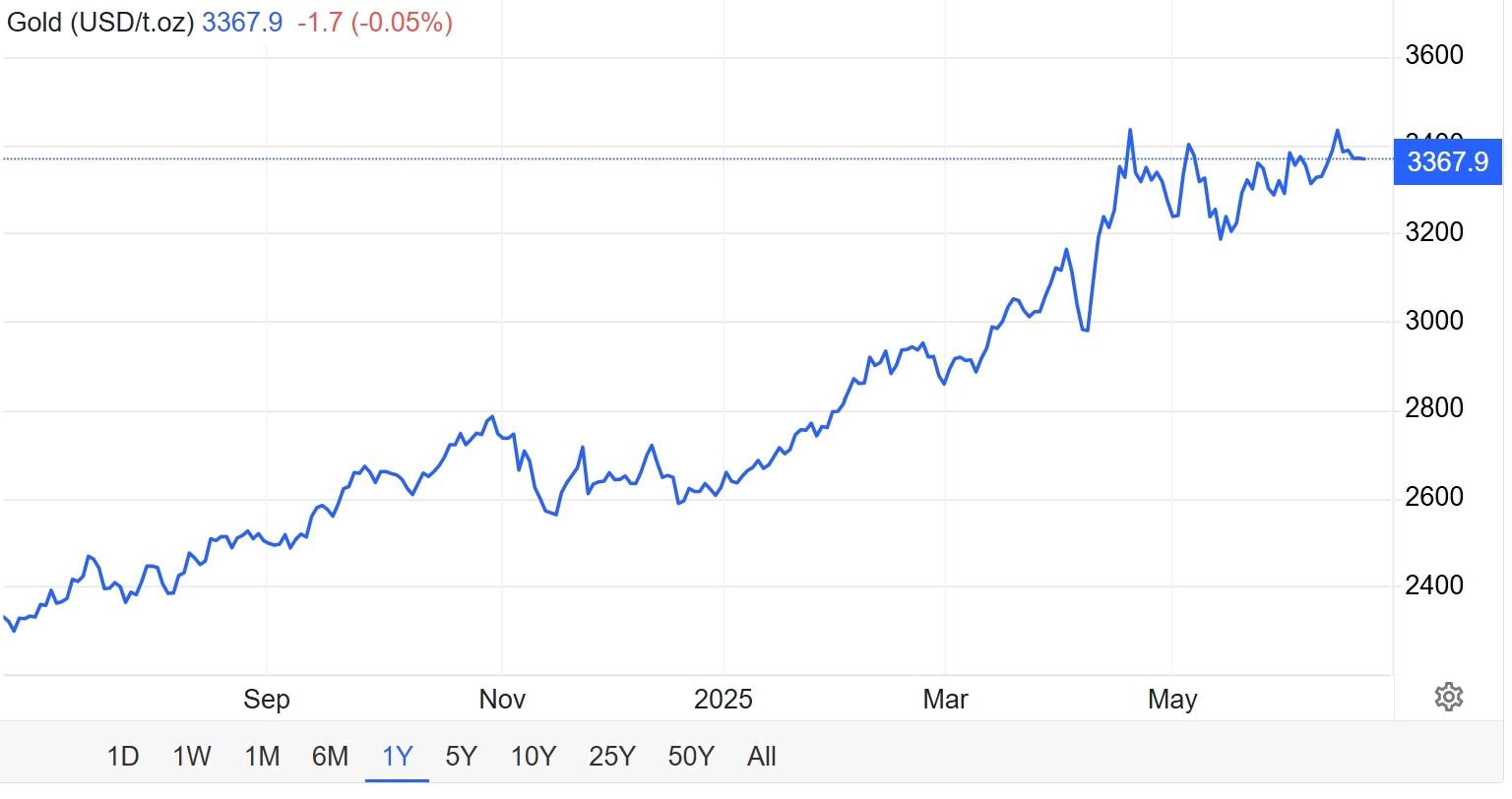
They argued that U.S. fiscal sustainability is the primary driver, outweighing short-term conflict influences.
According to BofA, gold’s allure peaks when fiscal deficits remain elevated. The proposed “America First” budget bill threatens to add trillions to U.S. debt, potentially eroding confidence in Treasuries and supporting precious metals.
Central banks have also shifted holdings. Emerging-market governments have increased gold reserves rapidly, partly as a hedge against U.S. debt concerns. This institutional demand underpins the long-term bull case.
Despite a 2% drop in gold over the past week amid the Israel-Iran flare-up, BofA believes inflows will resume as markets refocus on budget negotiations in Washington. Volatility and weaker dollar trends may further boost bullion.
Detailed Analysis
Trump’s Calculated Military Gamble
Saturday’s strike marked the first direct U.S. assault on Iranian soil in years. Trump’s emphasis on precision targeted capital facilities while minimizing civilian danger.
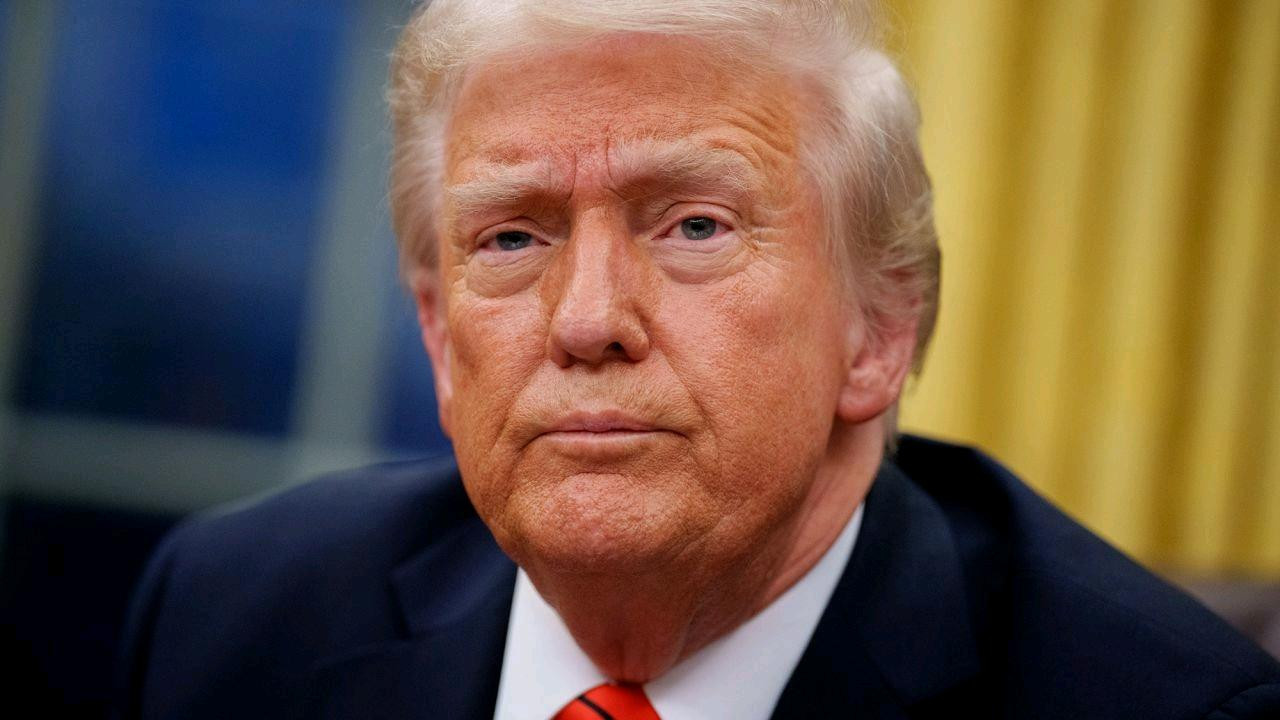
His claim that “now is the time for peace” underscored an attempt to frame the strike as a final warning.
Historical context matters: past U.S. engagements in the Middle East have often escalated. Market participants will scrutinize diplomatic channels for signs that Iran is exploring de-escalation, potentially through back-door European mediation.
Iran’s Potential Counters
Iranian officials have vowed retaliation but face strategic calculus: overt aggression against merchant shipping risks coalition pushback and sanctions intensification.
Any move to blockade the Strait of Hormuz could backfire by uniting international maritime powers.
Market watchers will parse state-controlled media and IRGC communications for explicit threats.
Even rhetoric alone can drive insurance costs and tanker rerouting, which add to supply chain expenses.
Oil’s Tightrope Walk
With roughly 20 million barrels per day flowing through the Strait, any bottleneck carries outsized risk.
Spot prices for Brent crude may exceed $100 if tensions flare, though futures markets hint at a shorter spike.
The shape of the forward curve will reveal whether traders expect a transient shock or protracted disruption.
Refinery margins, inventory levels, and OPEC+ production decisions will also influence price trajectories. A coordinated output increase by Saudi Arabia and allies could stabilize markets, whereas a neutral stance may encourage further volatility.
Stock Market Sentiment and Sector Winners
Defense contractors and energy firms may see stock gains as geopolitical risk premiums rise. Meanwhile, consumer discretionary and travel-related industries could suffer if oil prices and broader uncertainty dampen spending.
Major indices will be sensitive to bond yields, which often react counter to equity movements during crises. A flight to Treasuries might cap yield spikes, but rising rates tied to fiscal concerns could complicate the outlook.
Gold’s Dual Drivers: Geopolitics and Fiscal Policy
While wars historically trigger safe-haven buying, BofA’s forecast leans heavily on U.S. fiscal imbalances.
The “big beautiful” budget bill’s projected $2.8 trillion ten-year deficit increase sets the stage for a weaker dollar and higher real yields on non-U.S. assets.
If the Fed or Treasury intervenes to support markets—through asset purchases or yield curve management—gold could see additional tailwinds.
Conversely, a rapid U.S. growth surge might undermine the case for higher bullion prices.
Looking Ahead: Policy Signals and Market Calibrations
Investors will zero in on Washington’s response: whether further military orders emerge and how Congress reacts to the budget bill.
Senate deliberations on spending caps and deficits will be as critical as Iran’s next move.
Key data releases—U.S. durable goods, PMI readings, and PCE inflation—will provide context on whether higher energy costs feed through to consumer prices. These indicators, combined with central bank commentary, will shape risk asset allocations.
Conclusion: Navigating Uncertainty
Trump’s strike on Iran’s nuclear program has shifted market dynamics overnight. Oil prices face an immediate upward jolt, equities must balance relief versus inflation fears, and gold’s outlook hinges on both geopolitical and fiscal forces.
In this high-stakes environment, investors should monitor policy pronouncements, shipping lanes, and budget negotiations. With so many moving parts, disciplined risk management and diversified positioning are more crucial than ever.