
US Slaps 50% Tariff on Home Appliances, Which Stocks Stand to Gain the Most?

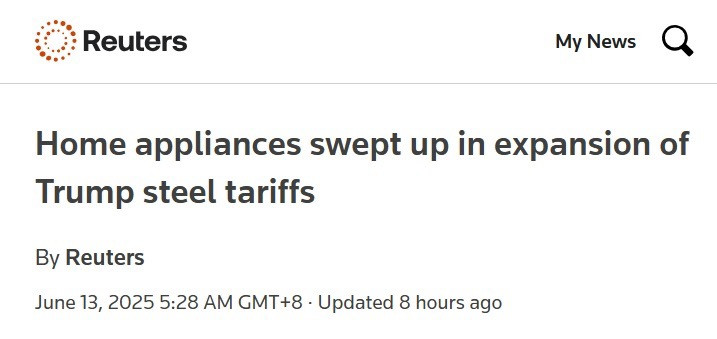
The US Commerce Department has just added a major twist in its steel tariff saga—starting today , June 23, imported appliances like dishwashers, washing machines, refrigerators, ovens, and more will face a hefty 50% duty on their steel content. This isn’t just a handout to domestic producers—it’s a high-stakes gamble with ripple effects across stocks, prices, and trade relations.
What exactly are “steel-derived” tariffs?
These aren’t tariffs on complete appliances per se—they’re levied on the value of the steel inside them. So if 40% of a fridge’s cost is steel, that portion gets a 50% tariff. Effective June 23, the list covers eight key categories, making imported home goods significantly pricier. Remaining steel from domestic sources isn’t taxed—a carve-out meant to favor US-built units.
Who will benefit in the stock market?
Whirlpool ($WHR ): the domestic winner

• CEO Marc Bitzer says the tariff adds $50–70 in cost to foreign appliances—enough to tilt consumers toward Whirlpool-owned brands like Amana, Maytag, or Jenn-Air   .
• With ~80% of its US product made at home (vs ~25% industry average), Whirlpool is poised to gain market share and pricing power .
Other American producers
• Companies like GE Appliances (Haier-owned but US-made) and Maytag stand to gain as imports get squeezed.

• Smaller domestic players could also benefit as consumers & retailers shift toward homegrown options.
Which foreign appliance stocks look vulnerable?
South Korean brands Samsung and LG will feel the squeeze. Even with US plants in South Carolina and Tennessee, most appliances are still built overseas. With 50% tariffs on stringently steel-heavy items, imported units suddenly face steep hikes . Korea’s export stats (about $3.6 billion of affected items) suggest major downside risks .
What this means for American consumers—and stock trades
1. Retailers and Home Depot, Lowe’s:
• Domestic retailers like Home Depot and Lowe’s, already emphasizing US-made products, could benefit from shifts in sourcing despite slightly higher prices .
• Imports-heavy shops like Walmart may struggle with higher costs and consumer pushback .
2. Inflation implications:
Past tariffs (washers in 2018) drove US prices up ~10–40%, with consumers ultimately paying the freight . Expect sticker shock on upcoming appliance purchases.
3. Steel industry:
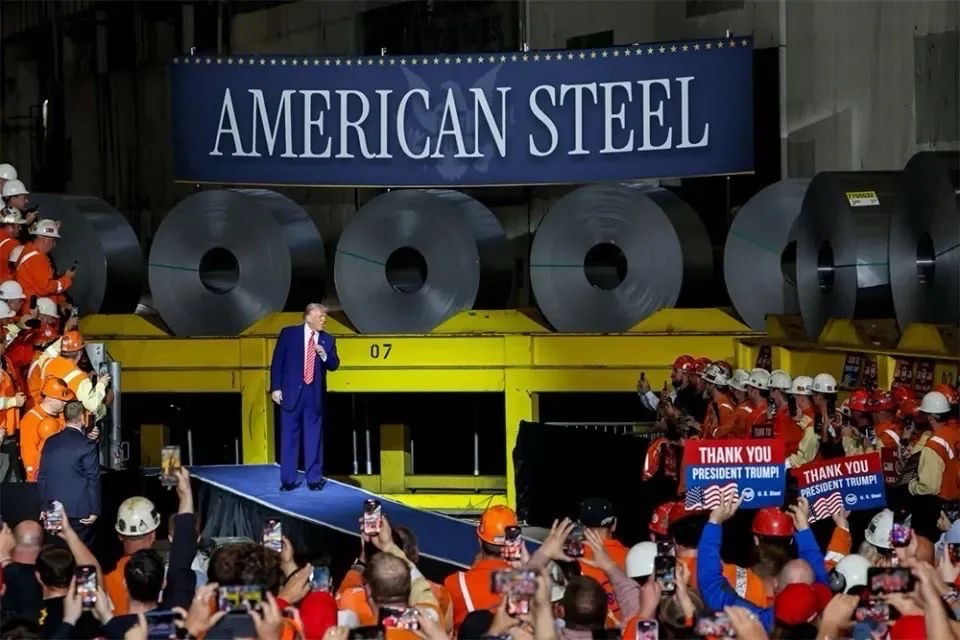
Domestic steelmakers will likely enjoy higher demand, benefiting companies like US Steel and Nucor—though this could stoke overall industrial prices.
4. Broader economy:
While protecting jobs (early studies show 1,800 new jobs at ~$817,000 each  ), higher consumer costs can suppress spending and provoke retaliation (EU is preparing counter-tariffs).
My analysis—what could happen next
Short term:
• Whirlpool stock could rally on war-chest expectations, but consumer pushback on costs may limit upside.
• Retailers pushing domestic inventory (like Home Depot) may gain headroom.
• Samsung/LG shares could underperform in the near term as tariffs bite.
Mid to long term:
• Manufacturing supply chains may shift—relocating to the US or Mexico to sidestep duties.
• EU retaliation could flare—targeting not just appliances but also US-made industrial goods, weighing on exporters like Boeing, Caterpillar, or Deere.
• Inflation risk rises—potentially influencing Fed policy and bond market sentiment.
Stock Picks to Watch
Bullish:
• Whirlpool ($WHR ) – direct price and volume boost.
• US Steel ($X ), Nucor ($NUE ) – demand tailwinds from reshoring.
• Home Depot ($HD ), Lowe’s ($LOW ) – domestic bias may drive sales.
• Bearish/Dodging:
• Samsung (SSNLF), LG (LPL$LPL ) – overhead tariff pressure.
• Walmart ($WMT ) – high import exposure could dent margins.
• Boeing ($BA ), Caterpillar ($CAT ) – potential retaliation risk.
Bottom line
This tariff move isn’t just about protecting domestic producers—it’s a calculated shock aimed at reshaping global supply chains and trade leverage. It clearly favors domestic appliance makers and steel, but at the cost of higher consumer prices and potential escalation in trade frictions.
For investors, the story is twofold: identify the winners in appliances and steel, and watch for ripple effects on retail, trade dynamics, inflation, and monetary policy.