
Tesla Just Launched Robotaxi in the US What It Really Means for the Company

Elon Musk has made a lot of big promises over the years—some came true, many didn’t. But this time, something real just happened.
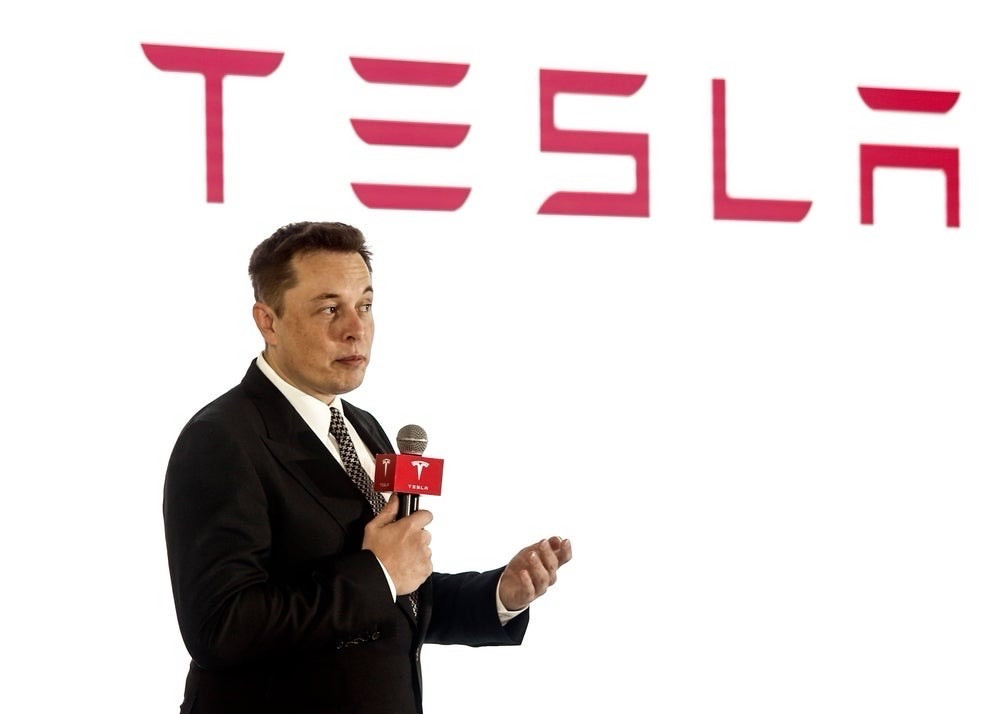
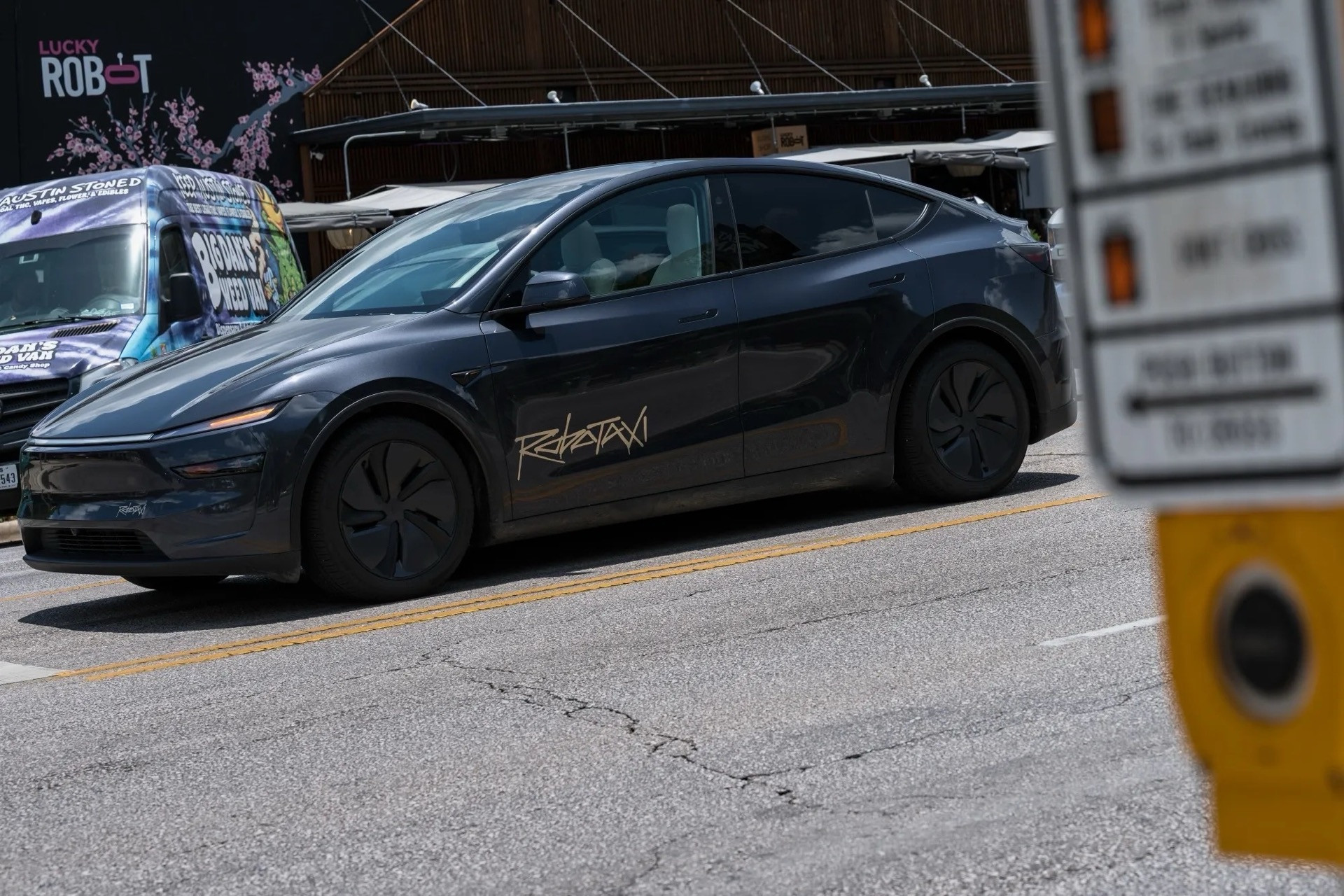
On June 23, Tesla officially rolled out its first Robotaxi service in Austin, Texas. It’s limited in size and scope, but it marks a major milestone for the company’s long-running push into autonomous driving.
So what exactly is a Robotaxi? Why does this launch matter? And what could it mean for Tesla’s future and its stock? Let’s break it all down.
What Is a Robotaxi and Why Should You Care
A Robotaxi is basically a self-driving taxi—no human driver required. It’s one of the most ambitious ideas in the world of autonomous vehicles.
Here’s a quick cheat sheet on how self-driving levels work:
• Level 2: The car helps you steer and brake, but you’re still in control.
• Level 3: The car can drive itself in certain conditions, but you still need to be ready to take over.
• Level 4: The car drives itself in specific areas (like a city center), with no human backup needed.
• Level 5: Fully autonomous, works anywhere, no steering wheel needed.
Tesla’s Robotaxi project is somewhere between Levels 3 and 4. The launch uses regular Model Y vehicles equipped with Tesla’s Full Self-Driving (FSD) software. The cars are operating within a geofenced area in Austin, meaning they’ll only run in designated zones.
For now, it’s a tiny fleet—just 10 vehicles—but Musk says it’ll grow to around 1,000 and expand to other cities soon.
Why Now and Why Austin
The timing of this rollout isn’t random.
For starters, Musk has been under a lot of pressure. He first promised a million self-driving Teslas by 2020. That didn’t happen. Every delay has chipped away at investor confidence in Tesla’s long-term tech story.
Second, Tesla’s stock has had a rough ride this year—down about 21% in 2025 so far. That’s way behind the S&P 500, which is slightly up. A public feud between Musk and President Trump earlier this month only added to the volatility.
And finally, this launch is part of Musk’s bigger push to reposition Tesla as more than a car company. In his vision, Tesla isn’t just selling EVs—it’s building an AI-powered platform for the future of transportation.
The Business Model Behind Robotaxi
Here’s what makes Robotaxi so much more than just a “cool feature”:
Musk wants Tesla owners to be able to send their cars out as autonomous taxis when they’re not using them. In return, Tesla takes a cut of every ride.
In theory, a single car could generate tens of thousands of dollars in income over its lifetime. That would completely change the value proposition of buying a Tesla. It’s no longer just a car—it’s a revenue-generating asset.
Think Uber or Lyft—but without drivers.
Analysts like Dan Ives have been calling this the start of Tesla’s “golden age of autonomy,” estimating the potential AI-related business at over $1 trillion in future value.
So Why Is the Market Shrugging This Off
Despite the hype, the market isn’t exactly throwing a party.
Why? For a few good reasons:
• We’ve heard this before: Musk has made similar claims since 2016, with little to show for it until now. Investors have grown cautious.
• It’s not the futuristic Cybercab yet: The Robotaxi service uses standard Model Ys, not the sleek, custom-built Cybercab Tesla showed off last year. That vehicle is still in development.
• Safety and regulation are still major hurdles: Tesla’s self-driving software has faced intense scrutiny from regulators after several high-profile accidents. Launching a fully autonomous taxi service will only invite more attention—and risk.
In short, while this is a real milestone, it’s not a moonshot just yet.
What It Means for Tesla’s Stock and Future
In the short term, this launch may help stabilize sentiment around Tesla—especially after the recent political drama with Trump. Investors like to see progress, even small steps, when it comes to bold tech promises.
In the long run, though, this could be a game-changer.
If Tesla can scale Robotaxi across multiple cities, it could move from being viewed as a carmaker (typically valued at around 15–20 times earnings) to a tech platform (which can trade at 50x or higher). That’s a huge difference in valuation terms.
More importantly, it would shift Tesla’s business model from one-time product sales (selling cars) to recurring platform revenue (taking a cut from every Robotaxi ride). That’s the kind of pivot Wall Street loves.
But it all depends on one big if—can Tesla actually pull it off?
Bottom Line
Tesla’s Robotaxi launch in Austin isn’t just about 10 cars running around a test zone. It’s about trying to prove that Tesla isn’t just a car company anymore.
If Musk can make Robotaxi work at scale, he’s not just selling vehicles—he’s building a fleet of income-generating machines powered by AI.
The dream? A car that earns money while you sleep.
The reality? It’s still very early, and the road ahead is full of regulatory potholes.
But for now, Tesla’s taken its first real step into a future it’s been promising for years. Let’s see where this ride goes.