
Trump’s Big Beautiful Bill Just Got Cut Down What That Really Means

Right as Senate Republicans gear up to pass one of Trump’s most ambitious economic bills, a little-known figure in Washington quietly threw a wrench in the plan. The Senate parliamentarian—a kind of procedural referee—ruled that several key parts of the bill can’t go forward under the special fast-track process Republicans are using.
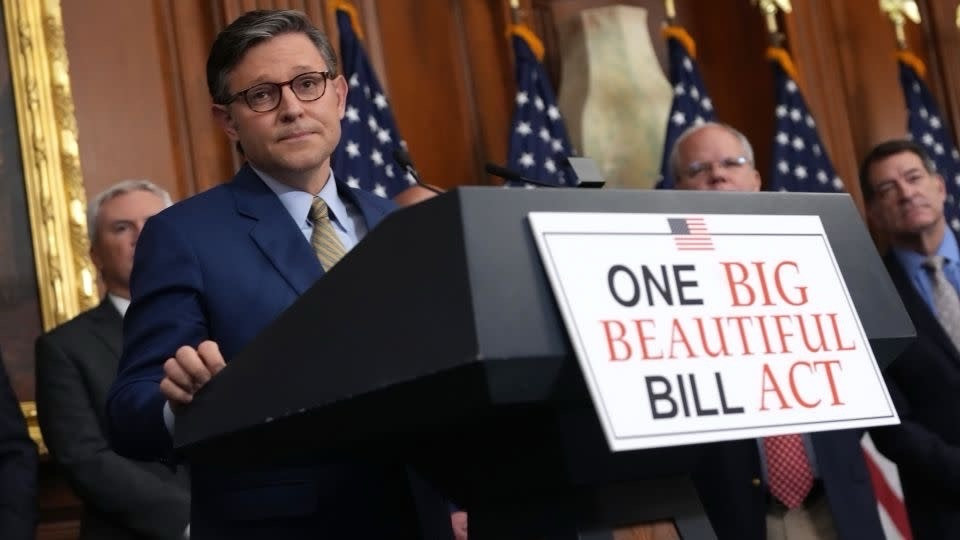
So now, Trump’s “big, beautiful bill” is getting trimmed. And that could have real implications for taxes, immigration, AI policy, and the balance of power in Washington.
Why this obscure rule just became a big deal
The heart of the issue is something called budget reconciliation. It’s a tool that lets Congress pass budget-related laws with just a simple majority—51 votes in the Senate—instead of the usual 60. For a party that doesn’t have a supermajority, this is gold.
But there’s a catch: everything in the bill has to be mostly about money—spending or revenue. If it’s not, it gets kicked out. That’s where the Senate parliamentarian steps in. Her job is to decide what fits and what doesn’t. And this time, she drew some firm lines.
What just got cut from the bill
Here are some of the biggest pieces that didn’t make the cut:
A crackdown on food aid for undocumented immigrants
Republicans tried to block people living in the U.S. illegally from receiving nutrition assistance. But since this doesn’t directly affect federal spending or revenue, it was disqualified.
Penalties for states that mess up food aid
There was a proposal to make states pay more if they overpay or underpay food benefits. The House version of this was estimated to save $128 billion over ten years. But again, it didn’t pass the budget test.
Huge legal bonds to sue the government
Another provision would have required people to post large cash bonds before asking courts to block federal actions. Critics called this a dangerous limit on public access to the courts—and the parliamentarian agreed it wasn’t a budget item.
Defunding financial watchdogs
Republicans also wanted to zero out funding for the Consumer Financial Protection Bureau and merge another regulator, the PCAOB, into the SEC. Both moves were tossed out of the bill for not meeting reconciliation rules.
One surprising policy survived and it’s all about AI
Not everything was cut, though. One eyebrow-raising item stayed in: a provision that withholds broadband funding from states that try to regulate artificial intelligence.
Originally, the bill proposed a 10-year ban on state AI rules. That wasn’t going to fly under reconciliation. So the Senate rewrote it: now, states won’t be directly banned, but they could lose access to certain funds if they regulate AI too tightly.
The issue here is complex. AI depends on massive data centers, which use a ton of electricity. Some states worry this could raise energy prices. But at the same time, these data centers bring in serious tax revenue. It’s a classic economic tradeoff—and now it’s part of national policy.
What Trump’s bill still includes
Even with the cuts, the core of the bill is still intact. Trump’s plan focuses on:
• Extending his 2017 tax cuts
• Eliminating taxes on tips and overtime pay
• Pumping more money into defense and border security
• Making cuts to Medicaid to offset new spending
This package delivers on several of Trump’s top campaign promises. Republicans hope to vote on it soon and get it to his desk by July 4—just in time for a symbolic win on Independence Day.
Why this isn’t just about policy—it’s about power
You might be wondering: why does this unelected parliamentarian get to decide what stays in a bill?
The answer is, she’s guarding the rules of the game. Budget reconciliation is powerful but limited. If the majority party starts ignoring the rules, the whole process loses credibility. That’s why Republicans—like Democrats before them—chose not to overrule her decisions, even though they technically could.
This choice shows that, for now, both parties still see value in keeping some norms intact—even when it means losing a few policy battles.
My take Trump lost some fights but won the bigger battle
Let’s be honest: this isn’t the bill Trump originally wanted. Some of the more aggressive, culture-war-flavored items got stripped out. But the main pillars—tax cuts, military spending, and border control—are still standing.
And the fact that the AI provision stayed in? That’s a quiet but important win. It shows the GOP is serious about shaping the future of AI, and about limiting how much states can intervene.
What’s clear is that this “slimmed-down” version still packs plenty of political punch. It reflects Trump’s priorities, and if it passes, it will reshape not just taxes and spending—but how power is exercised in Washington.