
ASICs Are Taking Over and These Players Are Leading the Charge

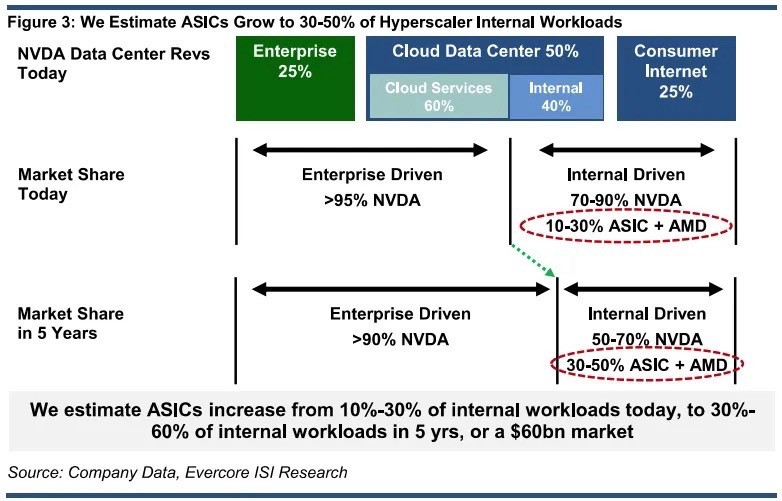
Lately, everyone’s been focused on $NVDA and GPUs. But behind the scenes, a quieter revolution is happening—one that could reshape the AI hardware landscape: the rise of ASICs.
These aren’t your typical chips. ASICs (application-specific integrated circuits) are custom-built to do very specific tasks, like AI inference, much faster and more efficiently than general-purpose GPUs. And now, as AI shifts from training massive models to actually running them every day, demand for these chips is exploding.
What Makes ASICs Different from GPUs
Think of GPUs as athletic all-rounders—great at many things, especially training large AI models. But once the models are built, it’s all about running them quickly and cheaply. That’s where ASICs shine.
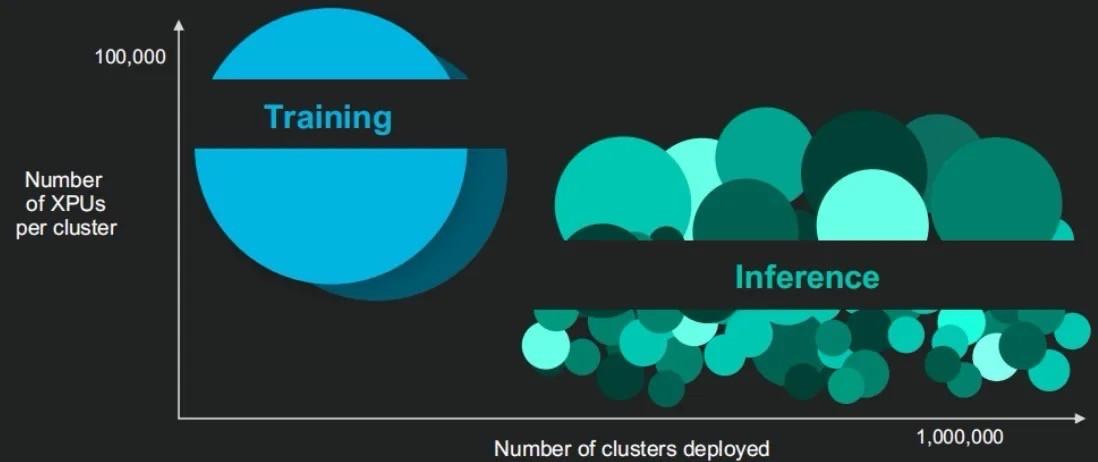
ASICs are designed to do one thing really well. That specialization makes them faster, more power-efficient, and cheaper at scale. As AI becomes part of more everyday applications, this kind of performance edge matters.
Why Big Tech Is Racing to Build Their Own Chips
Cloud giants like Google, AWS, Meta, and Microsoft aren’t content with off-the-shelf chips anymore. They’re building their own. The reason is simple: custom chips let them save money, cut energy costs, and gain a strategic edge in the AI arms race.
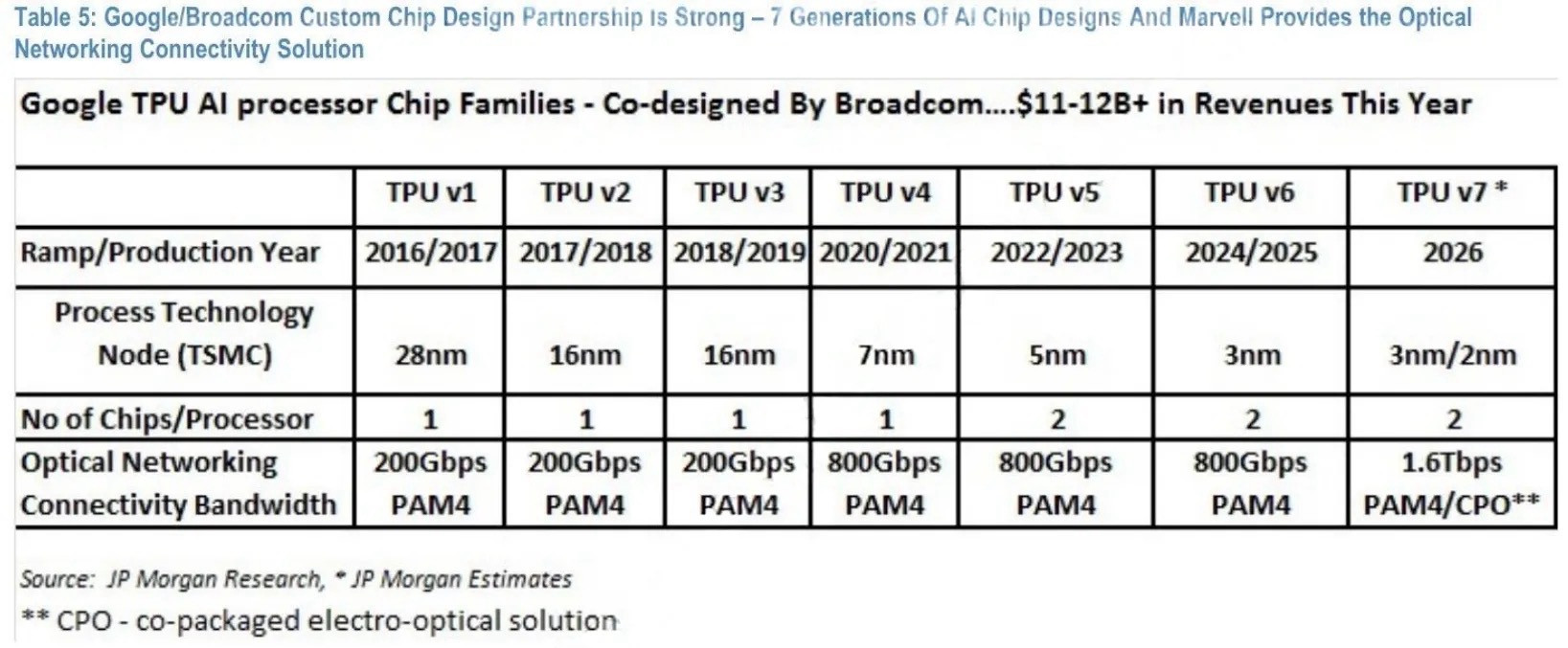
But designing ASICs isn’t easy—it takes top-tier engineering, deep IP, and serious money. So most cloud players team up with specialist chipmakers like Broadcom, Marvell, or Taiwan’s Alchip to turn their ideas into silicon.
Who’s Leading the ASIC Boom
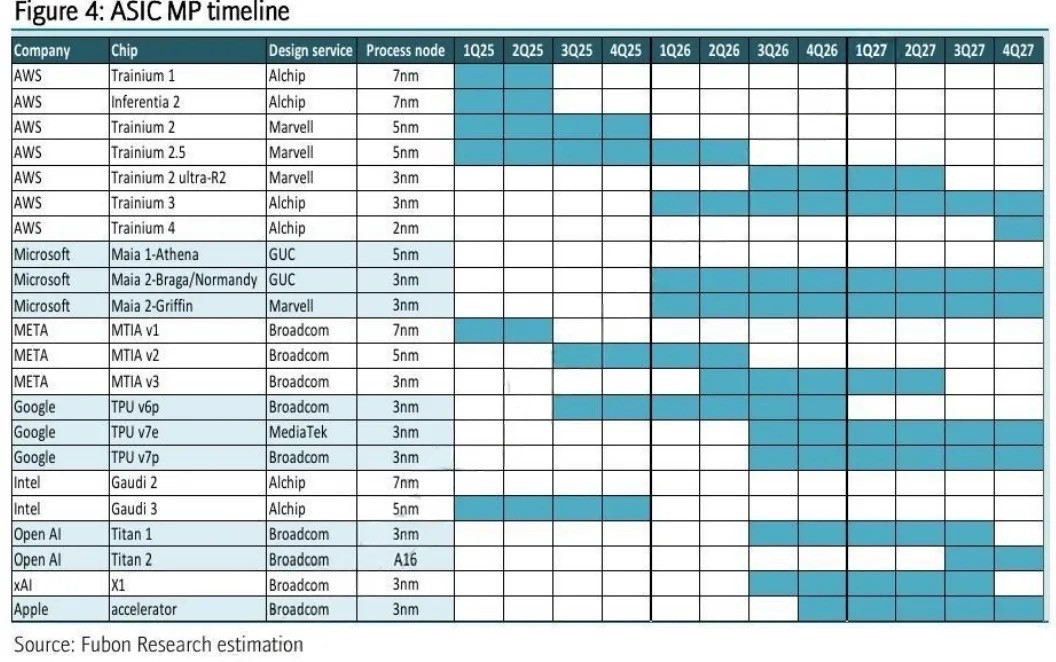
$AVGO is at the top of the food chain. It’s been working with Google for years and is now helping Meta develop its next-gen AI accelerator. Analysts think Broadcom could grab up to 80% of a $60 billion ASIC market by 2030.
$MRVL is close behind. It co-developed AWS’s Trainium chips and remains a key partner in new designs. Even as AWS taps Alchip for its Trainium v3, Marvell still holds a central role in this fast-growing segment.
What the Cloud Giants Are Building
• $GOOGL added MediaTek to diversify its TPU v6 development, moving away from relying solely on Broadcom.
• $AMZN AWS is already on Trainium v2 and has plans for v3 with Alchip. Its ASIC shipments could grow faster than any other U.S. cloud provider by 2025.
• $META is developing MTIA v2 with Broadcom, optimized for energy-efficient AI inference.
• $MSFT is rushing to improve its Maia chip series for generative AI, leaning heavily on Marvell after early setbacks.
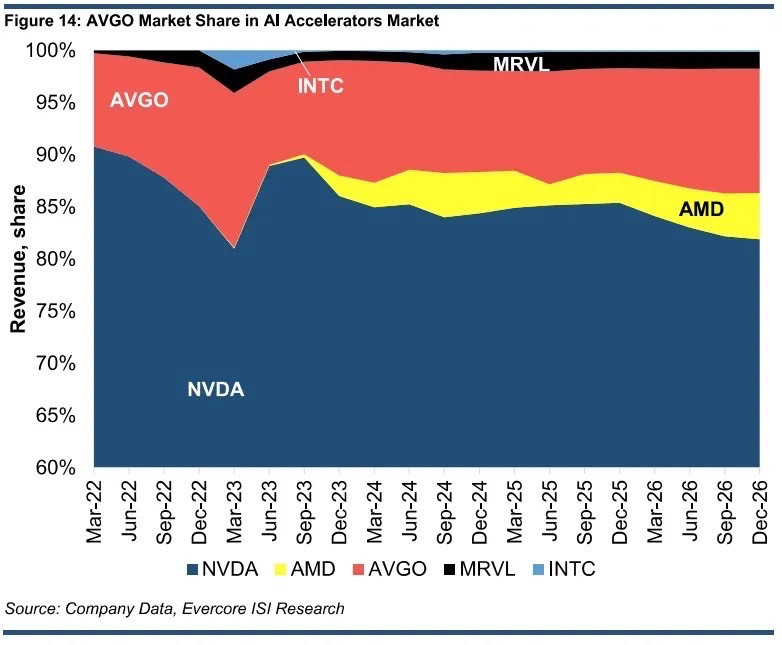
Meanwhile, $AAPL , OpenAI, and Elon Musk’s xAI are quietly building ASICs of their own. This isn’t a side project anymore—it’s becoming core infrastructure.
It’s Not Just About Chips
The ripple effects are being felt across the entire supply chain.
EDA software companies like Synopsys and Cadence are seeing rising demand, since complex ASICs require powerful design tools.
TSMC, the world’s top chip foundry, is manufacturing most of these chips. Its dominance in advanced manufacturing makes it one of the biggest beneficiaries of this trend.
And then there are optics and interconnect firms, who provide the high-speed connections ASIC clusters need to run AI workloads at scale. This could be their moment to shine.
Why This Isn’t Just Another GPU Story
Unlike the recent GPU hype, this ASIC wave is more strategic. It’s about cloud platforms regaining control of their infrastructure.
NVIDIA GPUs are great—but relying on one supplier is risky and expensive. ASICs give big tech companies more freedom, better performance, and lower costs. In a sense, they’re doing what Apple did with its M-series chips—taking matters into their own hands.
That shift is massive. It’s not about chasing trends; it’s about long-term cost and control.
Where to Watch for Investment Opportunities
If you’re looking for ways to ride this wave, here’s where I’d start:
• ASIC design leaders like Broadcom and Marvell who are already locked into massive cloud contracts
• EDA software providers like Synopsys and Cadence that have deep competitive moats
• TSMC, which is almost the only game in town when it comes to advanced chip manufacturing
This isn’t just a tech story—it’s an infrastructure shift. And the winners won’t just be the ones building the chips, but also those powering the tools and factories behind them.