
Tesla's Robotaxi Launches with Limitations — A Milestone or Just a PR Test Drive?

Shearing sheep
June 23, 2025
GoGPT Summarizes Articles
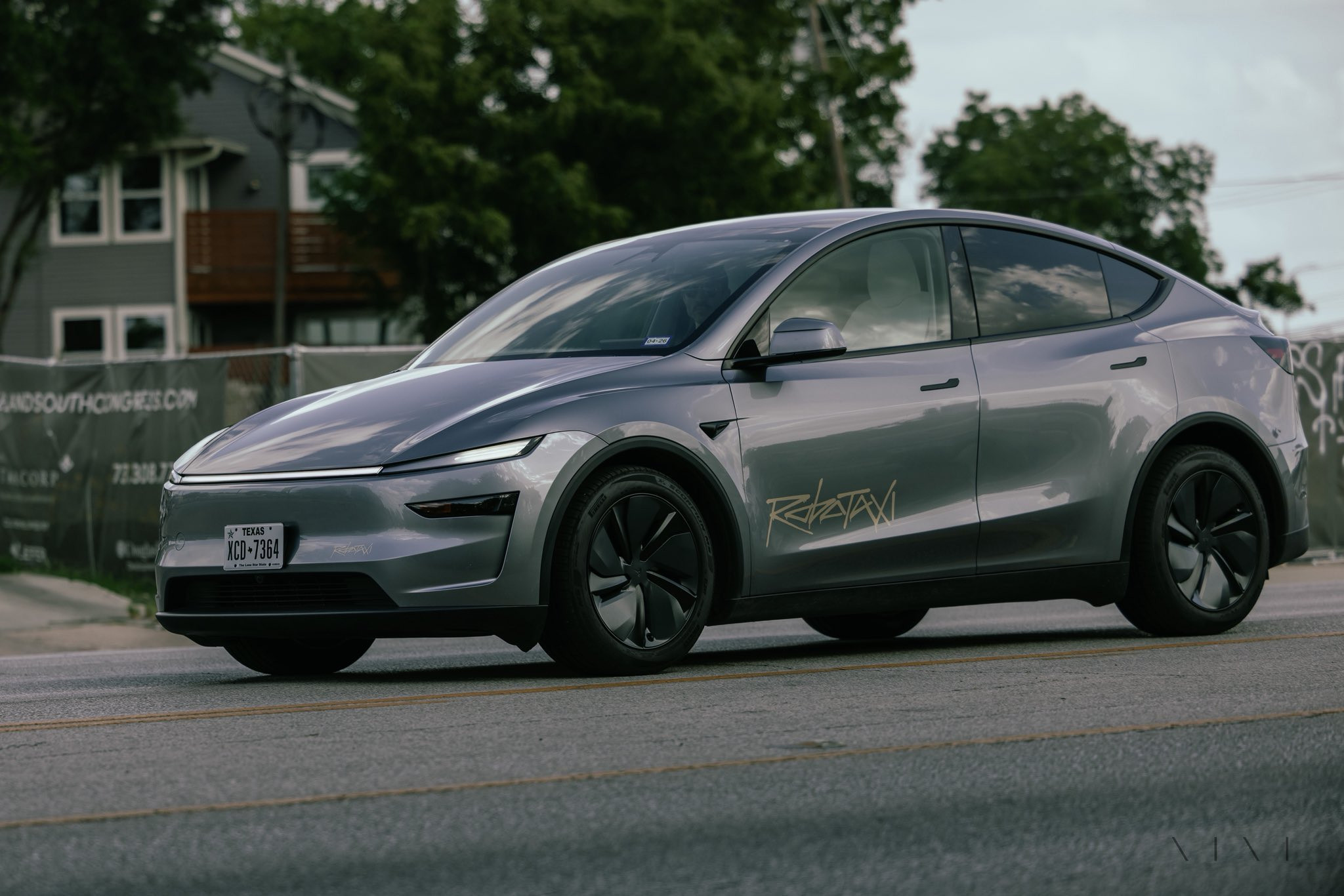
So, Tesla has officially entered the robotaxi race.
On June 22, a small fleet of around 10 Model Y vehicles labeled “Robotaxi” hit the streets of Austin, Texas. But let’s be clear — this isn't the fully autonomous future Elon Musk has been promising for years.
Instead, what we’re seeing is more like a tightly controlled pilot program:
-
The cars only operate between 6 AM and midnight.
-
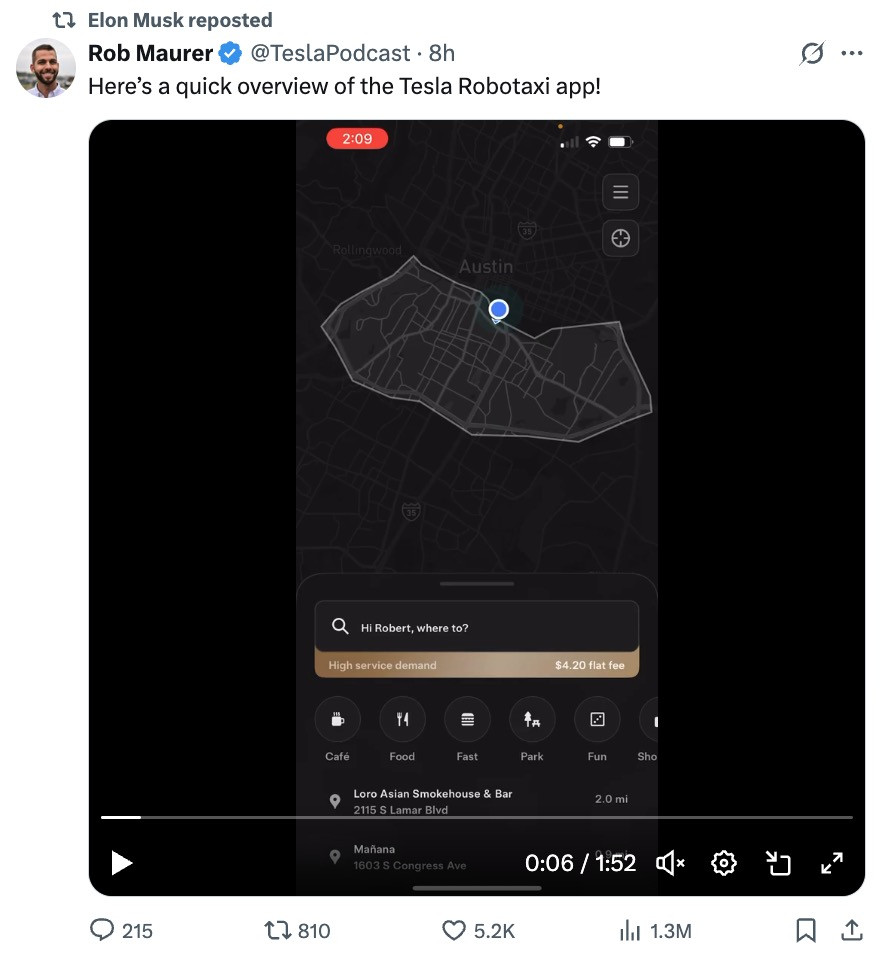
They’re confined to a geofenced area, avoiding tricky intersections, airports, and operating only in fair weather.
-
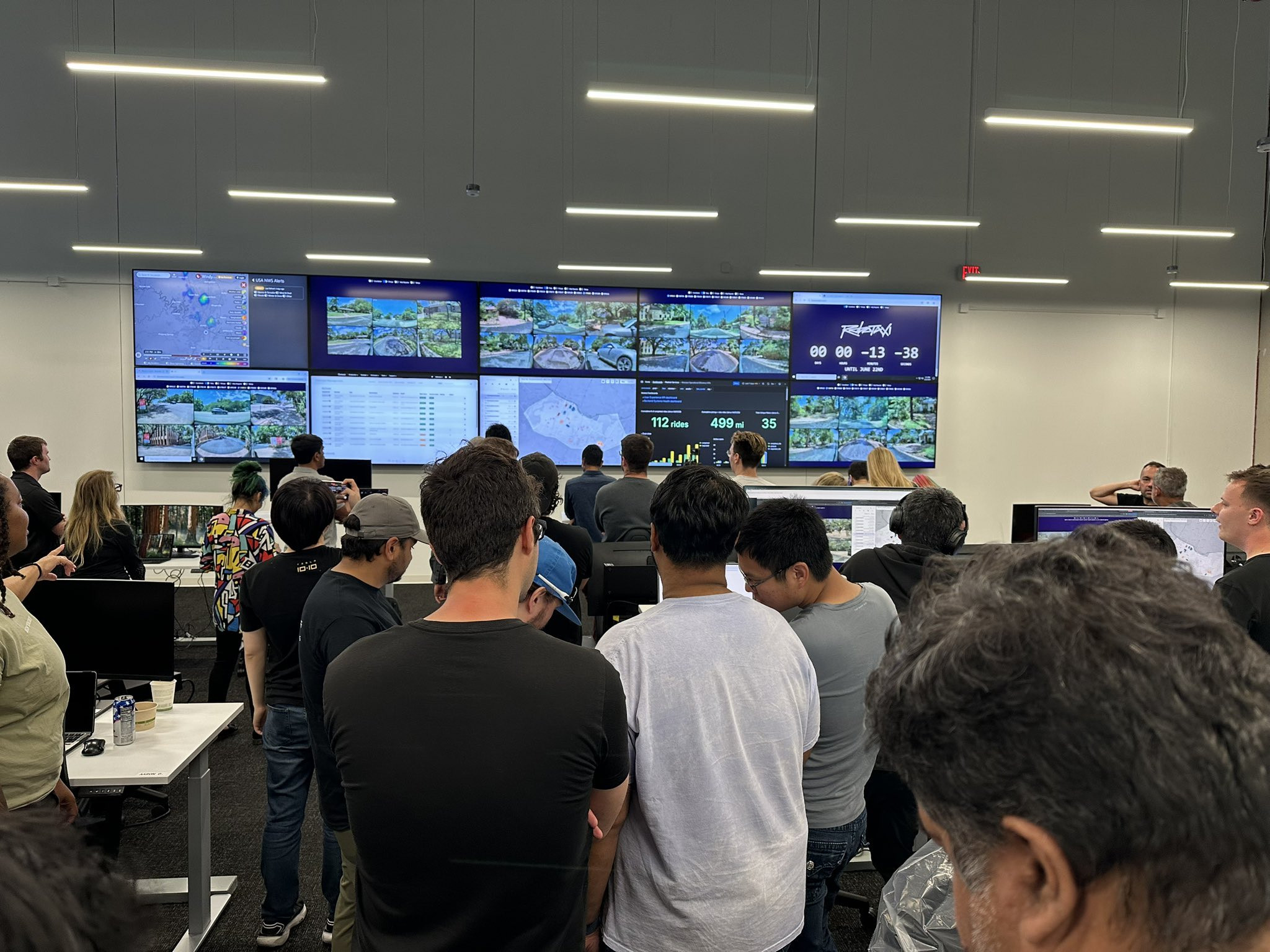
There’s a safety driver in the front passenger seat, plus a remote operator ready to intervene if needed.
-
The service is currently invite-only through Tesla’s app.
-
And yes, every ride costs exactly $4.20.
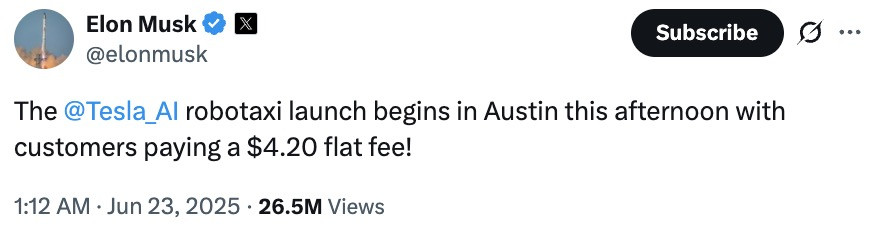
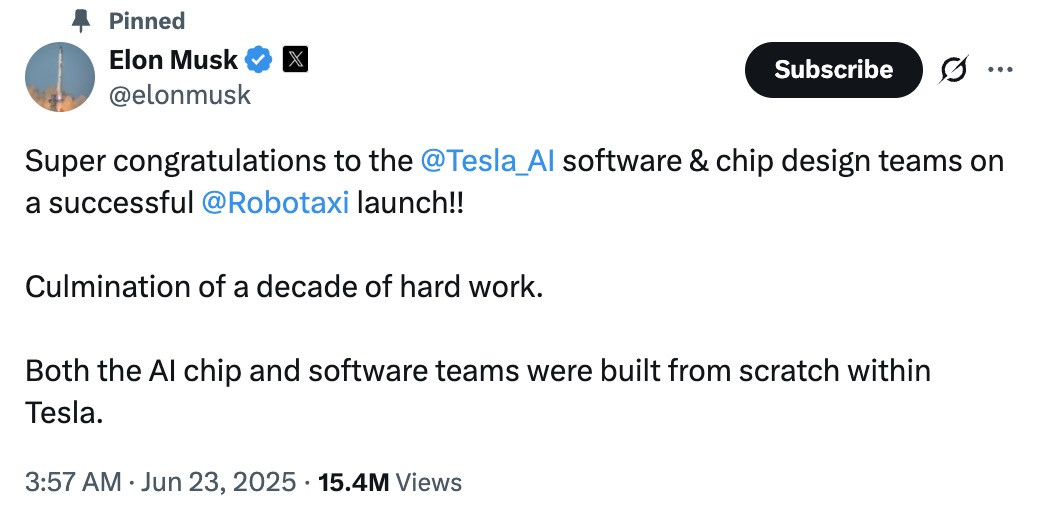
Elon Musk described the launch as the result of “decade of hard work,” praising Tesla’s internal AI and chip design teams. He also reposted videos from early users, some of whom used the Robotaxi to travel to local bars and restaurants.
What the Experience Looks Like
Based on user videos, the Robotaxi experience feels polished on the surface.
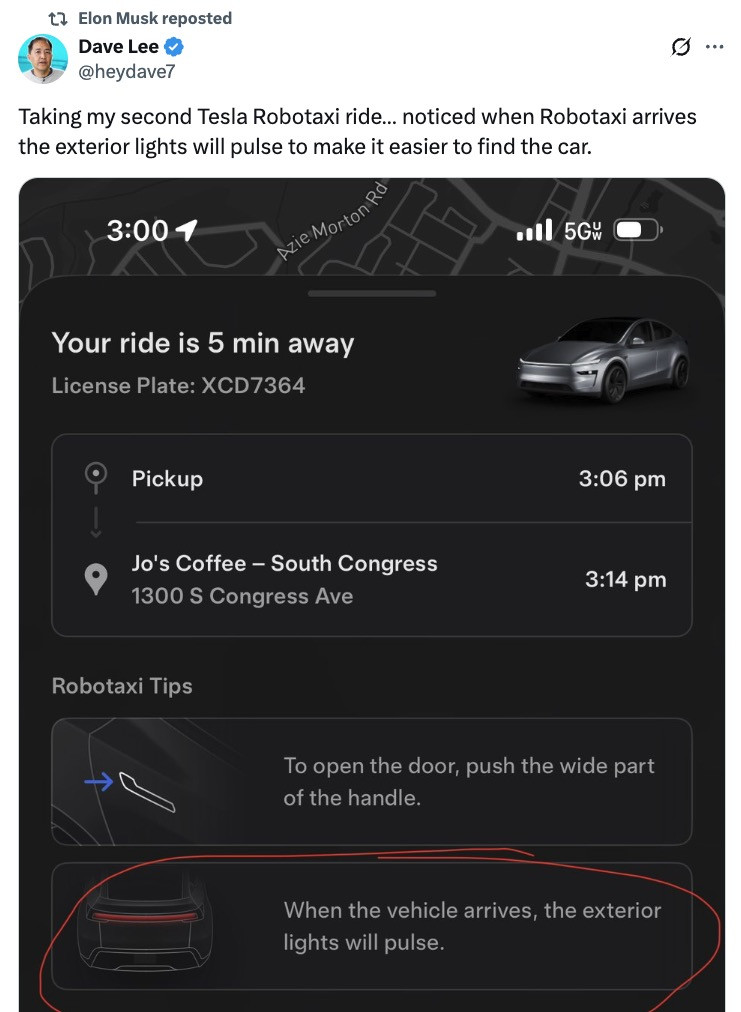
The vehicle can pull into parking lots to pick up passengers, and when it arrives, its exterior lights flash to help users spot the car.
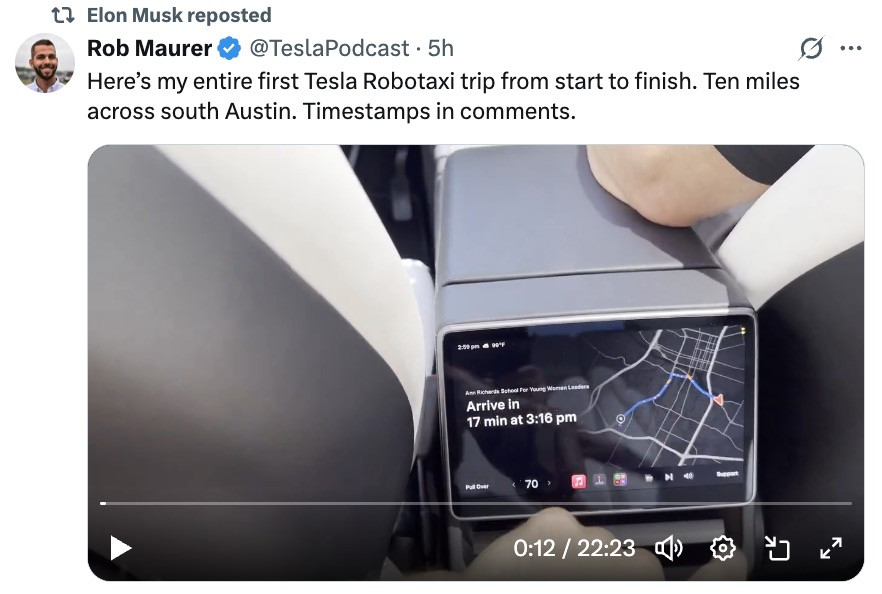
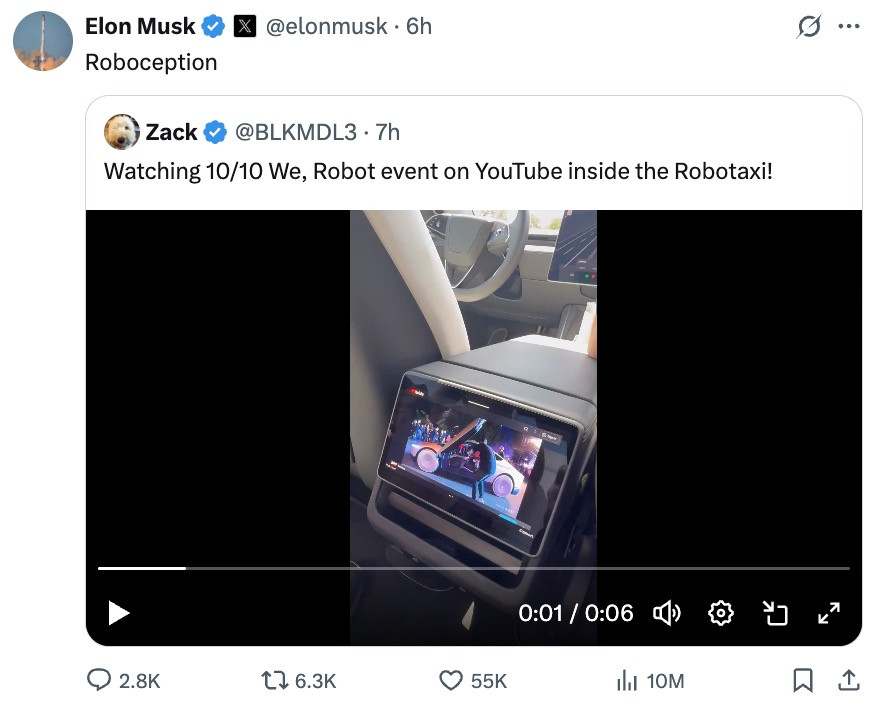
During the ride, the rear screen displays the estimated arrival time and duration, and passengers can watch YouTube or other entertainment on-screen.
After reaching the destination, riders can rate their trip and choose to leave a tip.
Feedback from early users on X has been largely positive — but it’s important to keep this in context: this is still a supervised test run in a tightly limited area.
Comparing Tesla to Waymo
In contrast, Waymo, backed by Alphabet, has already deployed fully driverless robotaxis in multiple U.S. cities including San Francisco and Phoenix. Their vehicles operate without any human in the front seat and have logged millions of autonomous miles.
Waymo’s edge comes not just from time in the field, but also from its technology stack: it combines lidar, radar, and cameras for environment sensing. Tesla, meanwhile, has committed to a vision-only approach — using just cameras. Musk claims it’s safer and more scalable, but that remains unproven in real-world, large-scale operations.
Barclays analyst Dan Levy didn’t mince words: “Catching up to or surpassing Waymo won’t be easy.”
Regulatory and Scaling Hurdles
Tesla’s path to scaling also faces growing regulatory pressure. Just last week, Texas Governor Greg Abbott signed a new law requiring companies operating autonomous vehicles to obtain a state permit — effective this September.
Meanwhile, the National Highway Traffic Safety Administration (NHTSA) continues to investigate Tesla’s Autopilot and so-called “Full Self-Driving” (FSD) systems. Despite the branding, FSD still requires a human to remain attentive behind the wheel, which puts it in a different category from companies like Waymo.
Musk has floated ambitious plans to scale up to 1,000 Robotaxis within a few months, with expansions to cities like Los Angeles and San Francisco. But given the current constraints — from safety monitors to narrow service zones — that timeline feels more optimistic.
For Investors
Tesla’s valuation is heavily linked to its long-term tech bets — especially robotaxis and humanoid robots. This initial rollout, while a step forward, likely falls short of the grand vision Musk has laid out in recent years.
That said, it’s still progress. Launching a live robotaxi service, even with limitations, marks a shift from theory to practice. If Tesla can demonstrate consistent performance in Austin, it may earn the credibility needed to push for regulatory approvals elsewhere.
But for now, the gap between Tesla and Waymo remains significant — in both technical maturity and public trust.
Bottom Line
Tesla’s Robotaxi launch is a real milestone — just not the one investors or fans may have hoped for. It’s not full autonomy, it’s not wide-scale deployment, and it’s not a Waymo competitor yet. But it’s a start.
The big question is: Can Tesla truly scale this and remove the safety net? If so, the company could still rewrite the rules of the ride-hailing game. But if not, this may just end up as another flashy demo with limited real-world impact.
#U.S. Tech Giants: Tracking U.S. Market Leaders#tesla#$Tesla Inc. Common Stock(TSLA)