
Who Will Win the U.S. AI Arms Race?: A Deep Dive into Tech Titans and Infrastructure Challengers

America’s AI battlefield has engulfed both the storied “Big Five” tech giants and the upstart “AI Triumvirate.” $META ’s head-hunting blitz, $GOOGL ’s data advantage, and $AAPL ’s hardware edge collide with OpenAI’s consumer dominance, Anthropic’s developer focus, and xAI’s survival fight.
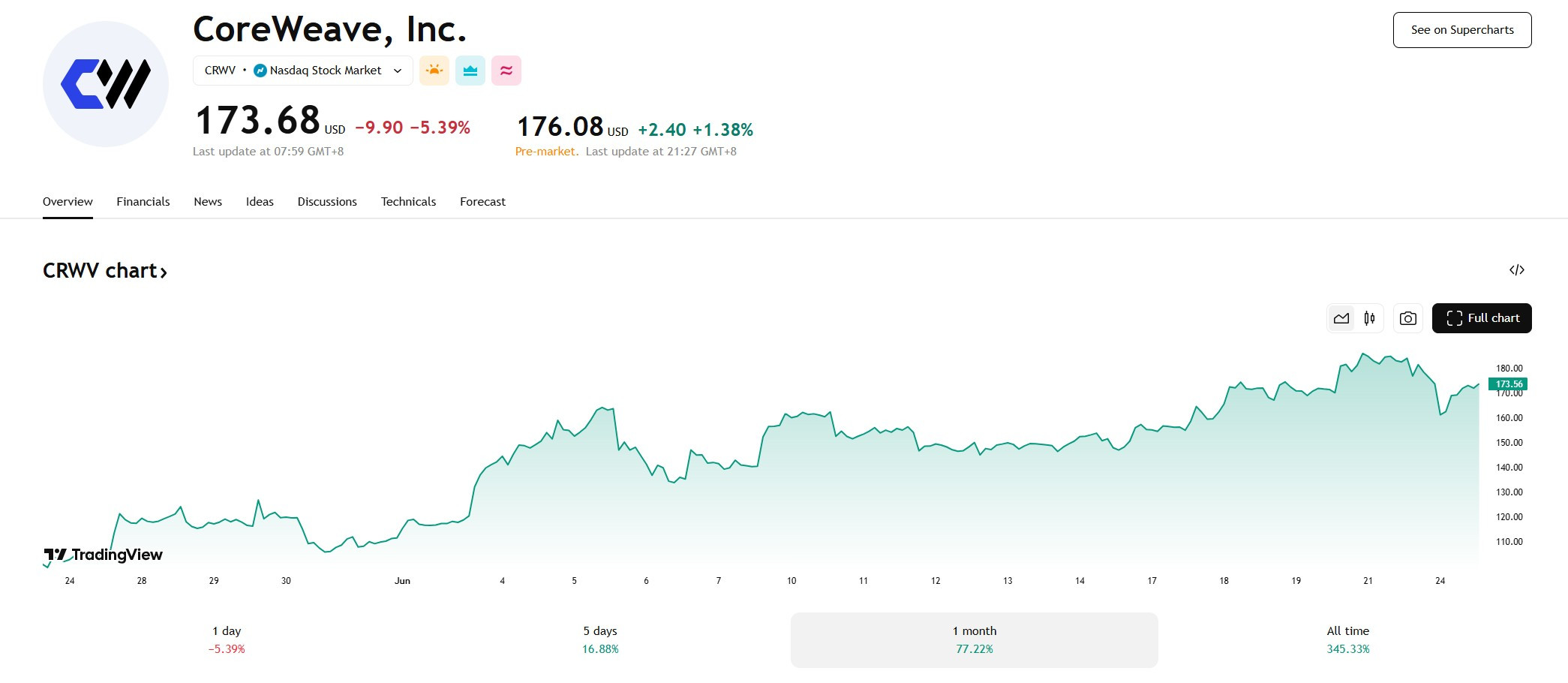
Meanwhile, on the infrastructure front, $CRWV ’s explosive growth starkly contrasts Nebius’s steady grind. Together, these contests will define the next era of AI leadership and reshape the tech landscape.
Key Takeaways
- $META is offering $100 million-level packages to lure top AI talent into its “Super-Intelligence”
- $AAPL holds unmatched hardware scale but trails peers on cutting-edge models and partnerships.
- $GOOGL leverages YouTube’s vast data and integrated chips-to-cloud stack, even as AI threatens its core search business.
- OpenAI leads consumer AI with ChatGPT, Anthropic targets developers, and xAI struggles for footing.
- $CRWV ’s Q1 revenue soared 420% year-over-year to $982 million, while Nebius generated $55 million—yet Nebius boasts a debt-free balance sheet poised for growth.
Why Are the Tech Giants Under Siege?
$META ’s CEO Mark Zuckerberg personally courted hundreds of AI researchers this spring, dangling compensation north of $1 million annually.
In some cases approaching nine-figure sign-on bonuses—to supercharge its fledgling “Super-Intelligence” division. This extreme talent hunt signals how threatened established players feel.
$AAPL , by contrast, has scaled back its AI ambitions to under-the-hood enhancements for devices. Its Apple Intelligence initiative has stumbled, and the company lacks the advanced models $GOOGL , $MSFT , and $AMZN can deploy.
Yet $AAPL still controls the world’s most pervasive hardware footprint—iPhones, Watches, HomePods and soon Vision Pro—and its unique data access could underpin a proprietary, privacy-first AI edge if properly leveraged.
$GOOGL ’s advantage lies in unparalleled data and infrastructure. Its Gemini models benefit from YouTube’s petabytes of video and decades of web-indexing know-how. Google Cloud’s custom TPUs and fiber backbone deliver end-to-end speed.
However, conversational AI threatens the search ad duopoly that fuels Alphabet’s $200 billion annual profit engine, forcing Google to reframe AI as a search enhancer rather than a disruptor.
$MSFT ’s alliance with OpenAI catapulted its Azure cloud to the forefront of enterprise AI, but Apollo-era tension brews as both partners tussle over future profits and governance.
$AMZN , a late entrant, finds strength in AWS’s developer-friendly bedrock—its Trainium chips and Anthropic partnership give it a diverse, resilient infrastructure play.
Meta’s Gamble for Super-Intelligence
Meta’s all-in recruiting strategy reflects CEO Zuckerberg’s urgency. By dangling blockbuster packages, Meta aims to bridge its late start and catch rival OpenAI.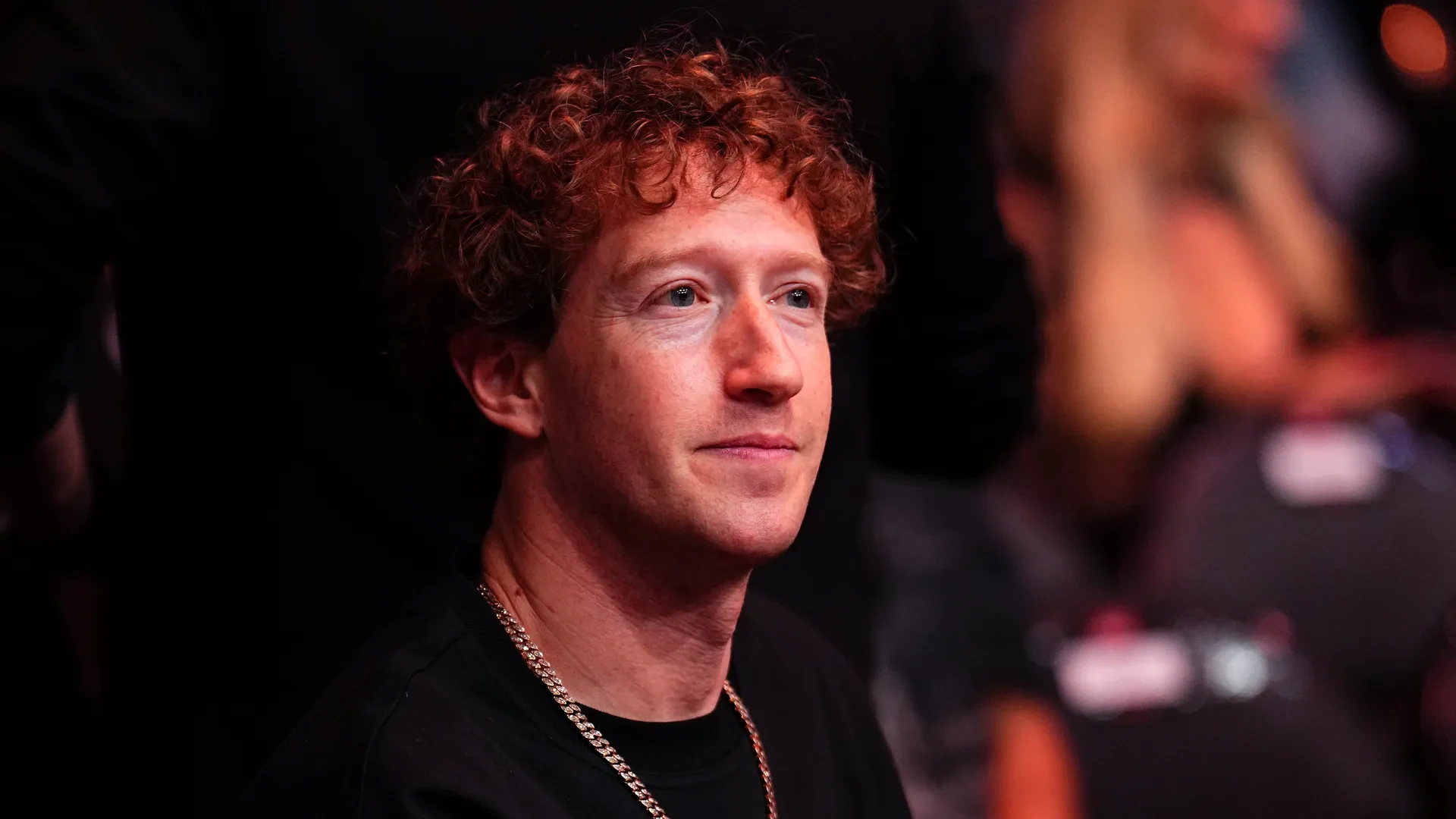
Yet scale alone won’t guarantee breakthroughs—management must clarify how “Super-Intelligence” will integrate with Facebook, Instagram, and its ambitious VR/AR plans.
Critics caution that Meta’s sprawling social media behemoth may dilute AI research goals. AI consumes user attention just as surely as social feeds do.
If Meta’s AI chatbot or content-generation tools cannibalize user time, they risk undermining the very ad revenue that funds their development.
Nevertheless, Meta’s pivot to AI represents its clearest path to redemption after costly investments in the metaverse.
By converging generative AI with personalized content, it hopes to unlock next-gen ad formats and immersive experiences—transforming user engagement into a powerful moat.
Who Has the Strongest AI Play: Google, Apple, Microsoft, or Amazon?
Google’s vertical integration—from Tensor chips to Gemini models to YouTube training data—gives it unrivaled speed and scale.
Its Android ecosystem also positions it to outflank Apple on device intelligence, provided it can monetize AI beyond search.
Apple, buoyed by iOS loyalty and privacy commitments, could sidestep the model wars by optimizing on-device performance and exclusive apps.
Its challenge is forging deep partnerships—perhaps with OpenAI—to offset internal R&D delays and ensure its hardware sells on AI prowess, not just sleek design.
Microsoft retains a commanding lead in enterprise AI via Azure OpenAI Service. By safeguarding Azure’s exclusivity for OpenAI APIs while diversifying into other model providers like Mistral, it hedges geopolitical and partner-tension risks. Investing in xAI and other startups could further cement its status as the cloud’s AI hub.
Amazon AWS, though a latecomer, enjoys symbiotic ties with Anthropic and a growing Trainium ecosystem.
Its pay-as-you-go model and developer tools make AWS a strong contender for businesses seeking flexible, cost-effective AI compute.
Where Do the AI Upstarts Fit In?
OpenAI reigns in consumer AI: ChatGPT’s ubiquity has made it the poster child of generative assistants, forcing every tech firm to react. Its looming question: when and how will it monetize via ads or more enterprise pivots?
Anthropic skipped the consumer fray to court developers, building high-margin API revenue and deep integration with AWS hardware. Its Claude models emphasize safety and interpretability—key for regulated industries.
xAI, Elon Musk’s third act, struggles despite its bold vision. Building in-house infrastructure has bogged it down financially. Its survival hinges on strategic investments—possibly from Microsoft—to balance independence with the need for scale.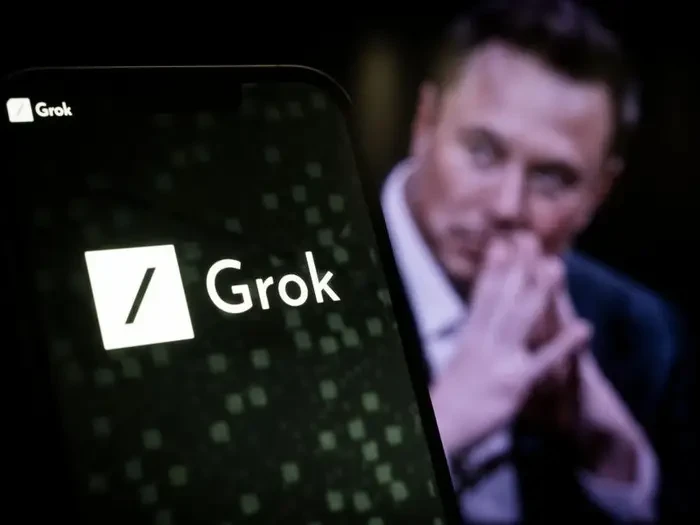
Infrastructure Wars: CoreWeave vs. Nebius
CoreWeave has ridden the AI compute boom: Q1 revenue leaped 420% to $982 million, underpinned by marquee contracts with OpenAI and IBM and a lean float that magnifies demand-driven rallies. Yet its $6.2 billion net debt demands sustained high utilization to service interest and principal.
Nebius, by contrast, spun out of Russia’s Yandex with a clean $5.4 billion cash infusion and near-zero debt.
Though its Q1 revenue of $55 million paled beside CoreWeave, Nebius’s disciplined growth—backed by Nvidia and Accel—positions it as a resilient contender. Its diversified 20-industry clientele limits counterparty risk but lacks a headline-grabbing anchor contract.
Both paths carry trade-offs: CoreWeave’s aggressive capital leverage yields spectacular near-term growth but heightens balance-sheet risk. Nebius’s conservative approach promises stability but risks being overlooked until its EBITDA turns positive in late 2025.
Indicators to watch include Nebius’s upcoming industry-specific GPU clusters and any large-scale contracts that could recalibrate investor sentiment.
Conclusion
The U.S. AI war is far from won. Tech five and AI trio clash in product roadmaps, data troves, and talent battlefields. Meanwhile, CoreWeave and Nebius fight a parallel struggle for infrastructure supremacy.
Success hinges on not just technology but strategic partnerships, balance-sheet resilience, and the ability to monetize AI’s promise without cannibalizing core businesses. As the dust settles, only those who marry technical excellence with sound economics will emerge victorious.