
Hold or Act?: Will Powell Delay Rate Cuts Until Tariff Effects Play Out?

On the eve of his semiannual testimony, Federal Reserve Chair Jerome Powell reasserts a wait-and-see stance on rate cuts, citing still-uncertain inflation signals driven by U.S. tariff measures.
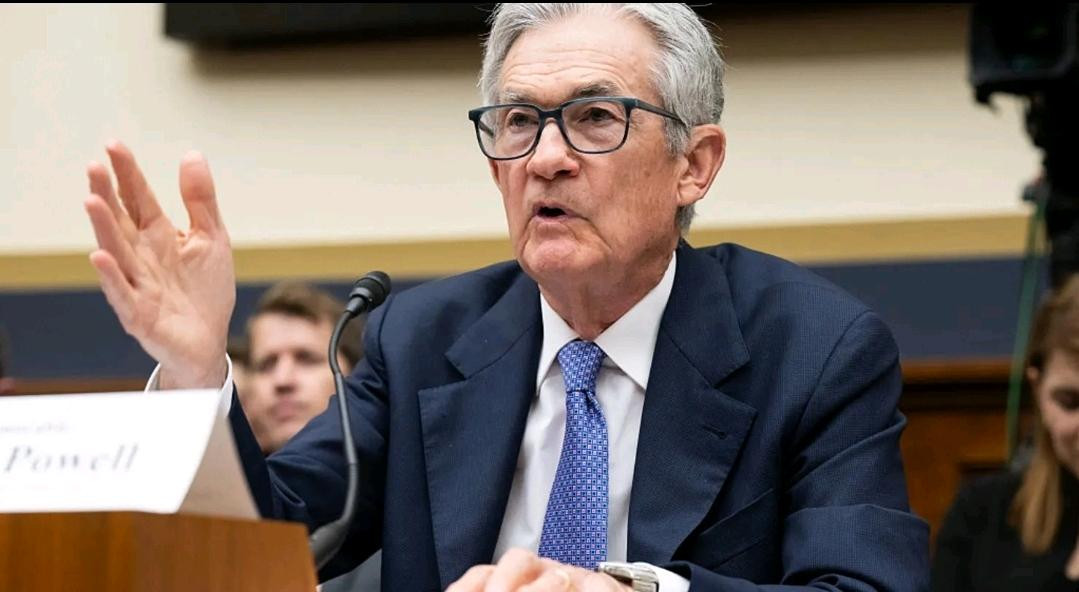
Despite rising internal calls for easing—and President Trump’s repeated demands—Powell insists the Fed is “well-positioned” to let more data accumulate before loosening policy.
Key Takeaways
1.Powell’s prepared remarks emphasize patience: no rush to cut rates without clearer signs of tariff-driven inflation.
2.Fed officials remain split: seven of 19 project no 2025 cuts, while ten foresee at least two rate trims.
3.Governors Bowman and Waller have publicly floated a July rate cut, intensifying market expectations.
4.May’s PCE data point to modest inflation: headline 2.3% year-over-year, core at 2.6%.
5.CME Fed-watch probabilities now show an 83% chance of no July rate move.
Why Is Powell Urging Patience?
Powell’s pre-released testimony to Congress underscores his caution: although U.S. growth and labor markets remain robust, the Fed “can wait for more information” before adjusting policy.
He reiterates that recent tariff hikes inject uncertainty into price dynamics, urging a careful watch of how duties fully transmit into consumer costs.
His stance contrasts sharply with President Trump’s vocal calls for immediate cuts. Trump has argued rates should drop 2–3 percentage points, berating the Fed on social media.
Yet Powell insists policy decisions must remain “data-driven,” not political.
What Do the Fed’s Projections Really Show?
At last week’s FOMC meeting, all members agreed to hold the federal funds rate at 4.25%–4.50%. But their economic projections laid bare deep divisions:
- Seven officials see no rate cuts in 2025.
- Two anticipate one cut.
- Ten forecast at least two cuts this year.
Such a split marks one of the most contentious forecasts in years. Notably, Governors Michelle Bowman and Christopher Waller—both Trump appointees—have publicly signaled support for a July cut, signaling that even the Board’s most hawkish voices are wavering.
How Much Could Tariffs Tip Inflation?
Tariff-related price pressures have become a focal point. Surveys of consumers, businesses, and forecasters reveal that recent import duties are a leading driver of short-term inflation expectations.
Powell estimates that—absent further shocks—May’s PCE inflation reached 2.3% year-over-year, with core PCE at 2.6%, up from April’s 2.1% and 2.5%, respectively. The Fed’s new median core-PCE forecast sits at 3.1% for 2024, reflecting elevated expectations.
Tariffs may cause a one-time price jump or, if costs reverberate through supply chains, a more persistent inflation pulse.
The degree and duration of such pass-through will determine whether the Fed must tighten further—or if patience can prevail.
Powell’s Data-First Approach
Throughout his testimony, Powell hammers home the Fed’s dual mandate: maximum employment and price stability.
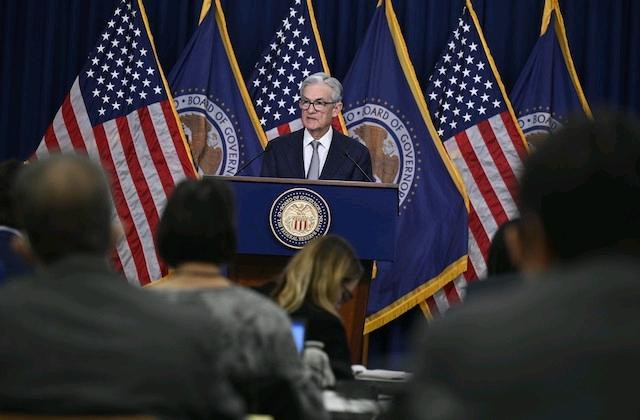
He reminds listeners that without anchoring inflation, “we cannot achieve strong labor market conditions that benefit all Americans.”
Powell notes recent GDP volatility—partly driven by pre-tariff import surges—and emphasizes underlying private demand remains solid, with consumer spending and business investment growing at roughly 2.5%.
Labor markets continue to add about 124,000 jobs monthly, and the 4.2% unemployment rate stays near historic lows.
In this context, Powell argues that “we are well-positioned to wait.” He underscores the Fed’s ongoing balance-sheet transition, slowing asset runoff to ensure ample reserves.
Any policy shift, he says, will hinge on incoming data and evolving risks, not a preset timetable.
Next Steps: Watching the Data
With July rate-cut odds at just 17%, according to CME’s FedWatch Tool, markets are bracing for more Fed patience. Key indicators to monitor include:
- Tariff pass-through: Retail and producer price index readings will reveal how duties feed into consumer costs.
- PCE updates: June’s personal consumption expenditure report could confirm whether core inflation remains subdued.
- Labor market resilience: Job openings, wage growth, and the unemployment rate will inform the Fed’s assessment of maximum employment.
Govs. Bowman and Waller may continue to press for early easing, but Powell’s testimony cements the message: the Fed will “wait for more evidence” before pulling the rate-cut trigger.
Conclusion
As President Trump’s pressure mounts and internal Fed debates intensify, Jerome Powell’s Capitol Hill appearance underscores one clear message: policy will follow the data, not political demands. The coming weeks of tariff-sensitive inflation readings and economic releases will determine whether the Fed can maintain this delicate patience—or if a pivot to easing becomes unavoidable.