
New York is betting on nuclear power again but who are the real winners

For the first time in over 15 years, the US is about to build a new nuclear power plant. And it’s not a federal project or a private initiative—it’s coming straight from New York Governor Kathy Hochul. She just announced that the state will construct an advanced nuclear power plant in upstate New York, with at least 1GW of capacity. Framed as a “critical energy strategy,” the project is meant to complement wind and solar while offering stable, zero-emission electricity.

This marks a major shift in New York’s energy policy. And beyond that, it could signal a quiet comeback for the nuclear power industry—a sector long overlooked but now finding new momentum, partly thanks to President Trump’s aggressive push to revive nuclear energy nationwide.
Why now and why nuclear is suddenly back
First, let’s break it down. Nuclear power is a zero-carbon baseload energy source. Baseload means steady, 24/7 power supply—something that wind and solar, for all their progress, still struggle to provide. When the sun isn’t shining or the wind isn’t blowing, output drops. That’s a problem.
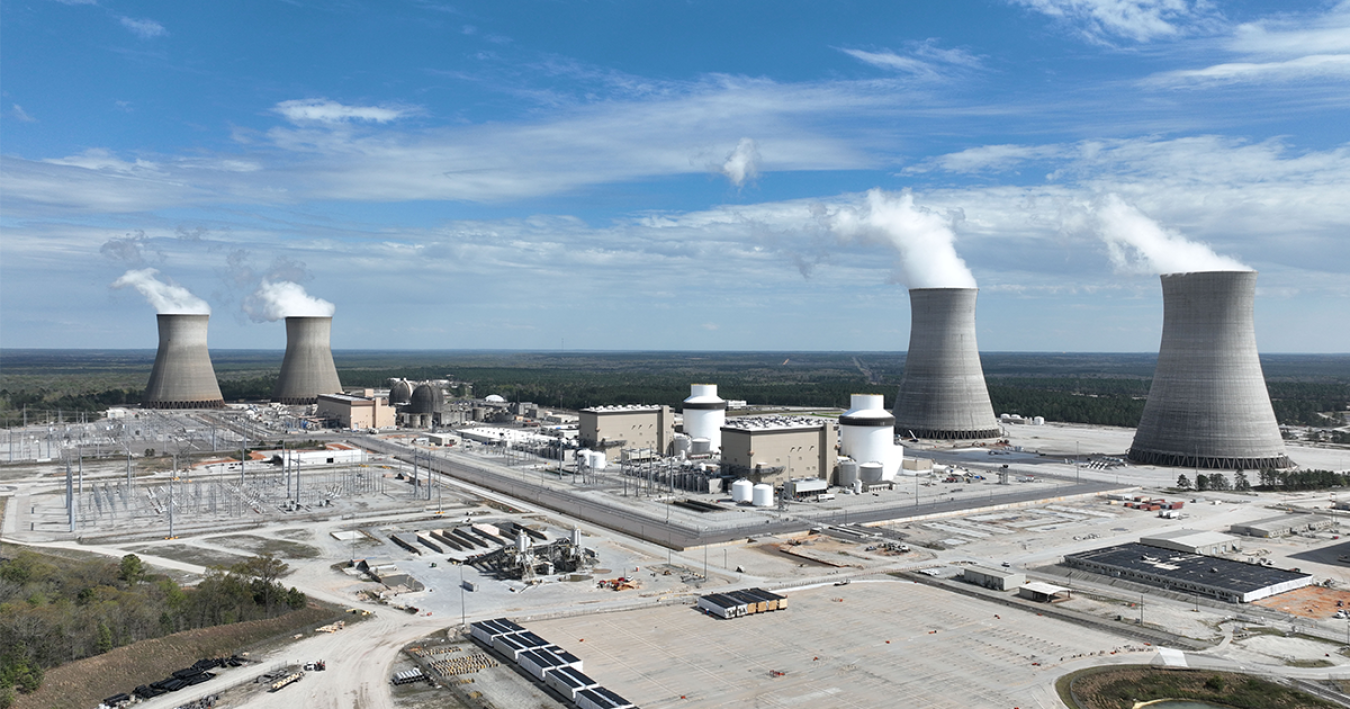
Nuclear has struggled in the US for decades, mostly for three big reasons:
- Safety fears, especially after Three Mile Island and Fukushima;
- Cost overruns, with projects taking 10+ years and going billions over budget;
- Political resistance, due to environmental concerns and regulatory red tape.
But the tides are turning.
Trump’s return to office brought new executive orders aimed at speeding up nuclear approvals. Meanwhile, the explosion of AI and cloud computing is pushing electricity demand through the roof—especially for stable power sources. That’s led tech giants like Microsoft, Amazon, Google, and Oracle to quietly start signing nuclear power purchase deals. Some are even investing in SMRs (small modular reactors) of their own.
And now, even New York—the same state that shut down Indian Point nuclear plant just a few years ago—is doing a 180.
New York’s big move is really about winning the AI energy race
So why the sudden reversal from Governor Hochul? Two reasons stand out.
First, there’s a real power crunch. When Indian Point shut down, there was no clear Plan B. The state had to fall back on natural gas, emissions rose, and so did electricity prices.
Second, it’s about getting ahead in AI infrastructure. Hochul wants to turn upstate New York into the “Silicon Valley of the East,” taking advantage of the region’s abundant water, cheap land, and proximity to IBM and top-tier universities. Offering reliable, carbon-free nuclear power to AI data centers could make the region a magnet for tech investment.
This isn’t just about clean energy—it’s about building an entire “energy plus industry” ecosystem.
Which sectors and companies stand to benefit
1. Nuclear equipment and construction
A new nuclear plant means new demand for hardware, engineering, and construction. That’s a direct tailwind for the nuclear supply chain, including:
- Reactor makers like BWX Technologies ($BWXT)
- Engineering and systems providers like Fluor($FLR) and Bechtel
- SMR-focused players like TerraPower (Bill Gates–backed) and NuScale ($SMR start-up)
2. Uranium mining and fuel supply
Restarting nuclear means higher uranium demand. Global supply is tight, and US-based producers are rare. Key names include:
- Cameco ($CCJ): Canada-based, world’s largest uranium producer
- Energy Fuels ($UUUU): One of the few US-based uranium refiners
- Uranium Energy Corp ($UEC): Focused on US production
3. Data centers and AI power infrastructure
One big reason for the nuclear revival is growing demand from AI workloads, which need stable and clean power. That’s good news for cloud giants:
- Amazon ($AMZN): Signed multiple nuclear power deals
- Microsoft ($MSFT): Partnered with Constellation to restart Three Mile Island
- Google ($GOOGL): Investing in SMRs to power data centers
These companies may gain a real edge in the AI compute race by locking down long-term, low-carbon electricity sources.
What could go wrong
Of course, nuclear isn’t a guaranteed win. Some real risks remain:
- Slow approvals: Even with Trump’s fast-tracking orders, construction could still take years
- Environmental backlash: Local green groups are already protesting, and lawsuits could follow
- High costs and long timelines: Overruns could trap both government and private partners
Also, the project may involve advanced SMRs instead of traditional large reactors—but SMRs aren’t yet mass-produced or commercially proven. There’s still technical and economic uncertainty.
Final thoughts
New York’s nuclear reboot isn’t just a policy shift—it’s a strategic move to rewire America’s power infrastructure for the AI era.
For the stock market, this opens up mid-to-long term tailwinds across multiple sectors: nuclear tech, uranium mining, engineering, and AI/cloud services. The market hasn’t fully priced in this “nuclear reset,” and for investors, the key is identifying the right companies that stand to benefit from this policy pivot.
When policy momentum meets real demand and technological readiness, entire sectors can re-rate. That moment might be happening quietly—right now.