
Circle plunges after BIS warning but the bigger story is about who controls the future of money

On June 25, shares of $CRCL fell more than 15% intraday after a warning from the Bank for International Settlements (BIS) sent shockwaves through the crypto and fintech space. The BIS didn’t name names, but the message was loud and clear: stablecoins could threaten monetary sovereignty, especially in emerging markets, and central banks need to move faster in launching their own digital currencies.
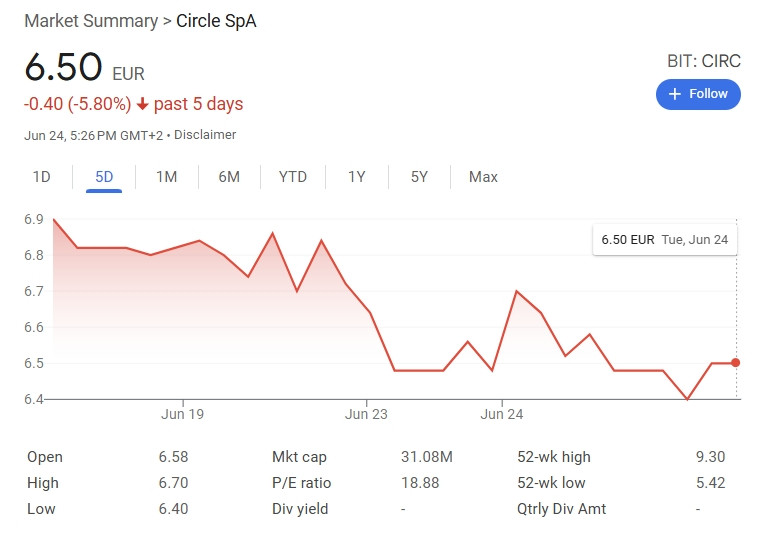
Circle, the company behind the USDC stablecoin, saw its stock tumble to as low as $220.50, down over 16% during the session. But this isn't just about one company’s stock. It’s about a global fight over who gets to shape the next-generation financial infrastructure.
First, what exactly are stablecoins and why is BIS so concerned
Let’s take a quick step back. Stablecoins are cryptocurrencies designed to maintain a stable value, typically pegged to a real-world asset like the US dollar, government bonds, or gold. They’re widely used in crypto trading, cross-border payments, and DeFi protocols as a “digital dollar.”
According to Reuters, USD-backed stablecoins make up around 99% of the entire stablecoin market, with Tether (USDT) and Circle’s USDC being the two dominant players.

So why is BIS worried?
-
Lack of transparency – Some stablecoins still don’t fully disclose how their reserves are managed.
-
Threat to monetary sovereignty – If people start using stablecoins instead of local currencies, especially in emerging markets, central banks could lose control over capital flows.
-
Systemic risk – A sudden loss of confidence could trigger the crypto version of a bank run.
As the BIS bluntly put it:
“Stablecoins fall short of the core criteria needed to become a foundation of the monetary system—singleness, elasticity, and integrity.”
The message isn’t just for Circle
While Circle took the biggest hit in the market, this is part of a much broader message: central banks don’t want private companies running the digital version of money—especially not U.S.-dollar stablecoins, which are already dominating the global crypto market.
:max_bytes(150000):strip_icc()/terms_c_central-bank-digital-currency-cbdc_FINAL-671aefb2905b407583007d63fa46e49d.jpg)
The BIS is also using this moment to push for central bank digital currencies (CBDCs), which are essentially official, programmable digital versions of fiat money issued by governments. Think of them as "government-grade stablecoins."
If CBDCs do go mainstream, they’ll directly compete with—and likely displace—privately issued stablecoins. This isn’t just about technology. It’s about control.
What this means for markets and investors
While the headline might scream “crypto crash,” the real investment story spans across several sectors:
1. Crypto platforms and stablecoin issuers (short-term negative)
Circle and other stablecoin-focused players like Coinbase (which is connected to USDC through a joint venture) could see pressure if regulation tightens. For now, investor sentiment is likely to remain cautious around companies heavily reliant on stablecoin infrastructure.
Tether, although not publicly listed, may also face increasing scrutiny around its reserves and operations.
2. Blockchain infrastructure companies (mixed)
Stablecoins are the lifeblood of DeFi and on-chain finance. If regulation chills their use, activity across decentralized exchanges, lending protocols, and liquidity platforms could take a hit.
However, if CBDCs are built on public or semi-public blockchains, this might create new opportunities for companies providing infrastructure and integration services.
3. CBDC enablers and compliance tech (long-term positive)
This is a clear tailwind for companies involved in digital identity, payments infrastructure, compliance tooling, and central bank partnerships.
As governments speed up their CBDC rollouts, expect growth in demand for:
-
Blockchain protocol engineers
-
Digital wallet developers
-
Secure transaction hardware providers
-
KYC/AML compliance platforms
Some of these companies are already working quietly with regulators in Europe and Asia.
Bottom line
Circle’s sell-off is more than just a market reaction. It’s a clear reminder that the battle over who controls the future of money is heating up.
On one side are tech firms creating new payment rails via stablecoins. On the other, governments trying to retain control with CBDCs. The BIS report is effectively a shot fired by the old guard to reassert its authority.
For investors, this is also a wake-up call. The crypto sector isn’t just about hype cycles anymore. It’s entering a phase of regulatory realignment, where compliance, utility, and strategic alignment with policy goals may matter more than pure decentralization.
Those who survive and thrive will be the players who can bridge both worlds.