
Private Equity Giant Eyes Starbucks China Acquisition After Decades of Growth
According to sources, Hillhouse Capital recently participated in a reverse management roadshow for Starbucks China, expressing interest in acquiring the business.
The roadshow also drew other investment firms like Carlyle Group and Trustbridge Partners.
The deal structure remains undecided, with Starbucks China valued at approximately $5-6 billion. Goldman Sachs is the exclusive financial advisor, and the transaction is expected to extend into 2026.
Today, we dive into this event to explore Asia-Pacific’s private equity titan—Hillhouse Capital.
Hillhouse Eyes Starbucks China
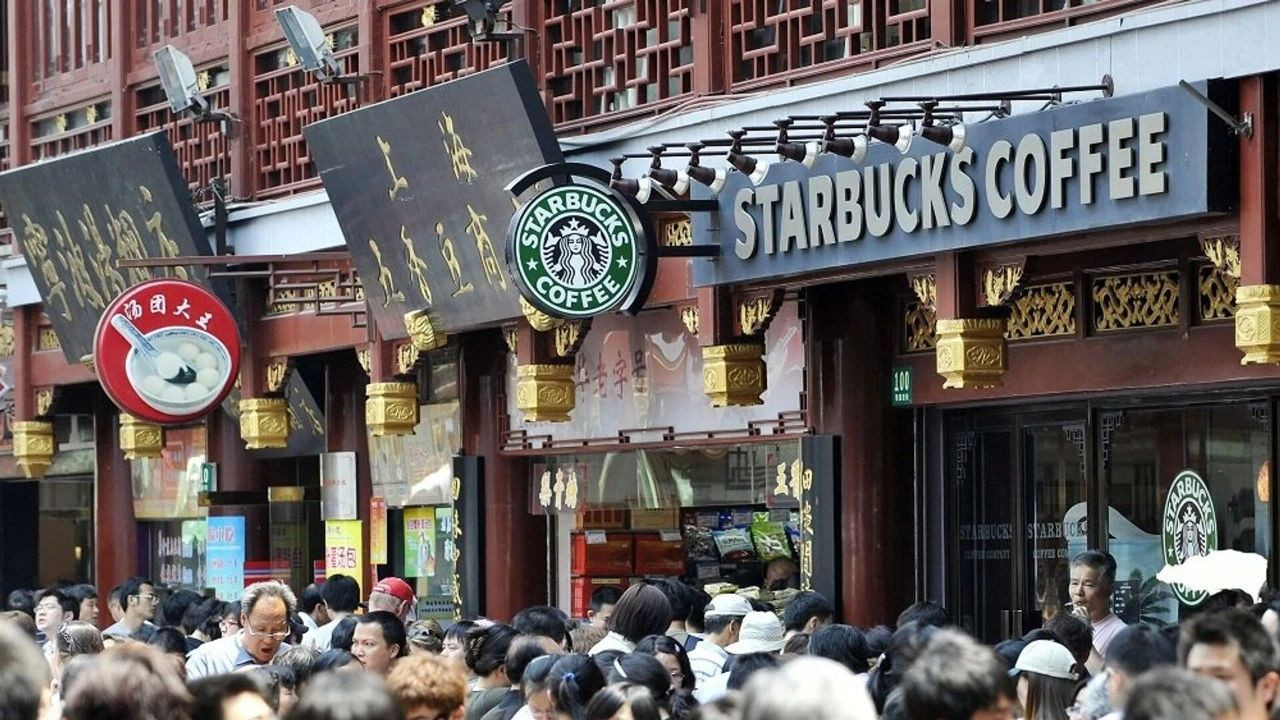
Starbucks, a coffee industry leader in China for over 25 years, has faced intensifying competition and performance pressures in recent years.
As of Q2’s end, Starbucks China operated 7,758 stores across over 1,000 county-level markets.
Last year, reports surfaced that Starbucks China might undergo “business adjustments.” At the time, Starbucks stated it was “committed to its China business and maintaining partnerships while seeking the best development path.”
Last year, Starbucks appointed a new CEO, Brian Niccol, who joined Yum! Brands in 2005 after nearly a decade at Procter & Gamble and was involved in Yum! China’s spin-off.
In 2016, both Yum! Brands and McDonald’s spun off their China operations. Yum! China listed on the NYSE and HKDSE, while McDonald’s China, rebranded as Golden Arches, was 52% controlled by a CITIC-led consortium, operating as franchises.
Now, Niccol is exploring the sale of Starbucks China. On June 11, he said Starbucks is considering selling part of its China equity to attract external investors and revive growth, noting “significant interest” from investors.
“People see the potential of the Starbucks brand and coffee category growth. I think they’re eager to partner with us to explore scaling from 8,000 to 20,000 stores,” Niccol said.
Though Niccol claimed no rush, the process is moving quickly.
The Renowned Hillhouse Capital

Founded by Lei Zhang in 2005, Hillhouse Capital is one of Asia’s largest asset managers, with its every move garnering widespread media attention.
Hillhouse Capital is currently Asia’s largest private equity firm, managing over $100 billion in total assets as of 2025.
It focuses on long-term value investing, targeting sectors like internet technology, healthcare, consumer goods, and enterprise services.
Its investment stages span the full equity spectrum, including early-stage seed and venture capital, private equity, public company investments, and mergers and acquisitions.
In global capital markets, Hillhouse’s secondary market investments primarily target U.S.-listed Chinese stocks, alongside Hong Kong and A-share markets; its PE and VC investments are mainly concentrated in China.
Its first investment in Tencent in 2005, which it still holds, catapulted Hillhouse to fame, and the Tencent success story remains legendary in the industry.
Hillhouse’s portfolio includes JD.com, Tencent, ByteDance, Meituan, Zoom, CATL, LONGi, StarSemi, BeiGene, Philips Appliances, GLP, Belle International, Gree Electric, and Blue Moon.
Over 80% of Hillhouse’s investments focus on hard tech and cutting-edge technologies, with systematic bets in innovative drugs, high-end medical devices, advanced manufacturing, quantum computing, cloud and big data, robotics, and autonomous driving, supporting China’s original tech innovation.
At the China Development Forum, founder Lei Zhang announced the creation of a dedicated climate change investment team and a green fund, the first purely market-driven equity fund focused on green industries.
Key Investment Cases
Hillhouse initially focused on USD funds but began managing RMB funds in 2013.
Practicing “value investing,” Hillhouse adopts a bold, big-bet strategy, with only about 90 projects over a decade.
Many of Hillhouse’s investments are long-term holds. Twelve years ago, it backed Tencent at a $2 billion valuation; today, Tencent’s market cap exceeds $400 billion, and Hillhouse still holds. Despite skepticism about value investing in A-shares, Zhang’s success underscores its significance.
Through value investing, Hillhouse holds exceptional companies long-term, reaping strong returns. From Tencent to JD.com, Meituan to Didi, Belle to Jiangxiaobai, Hillhouse’s track record is stellar.
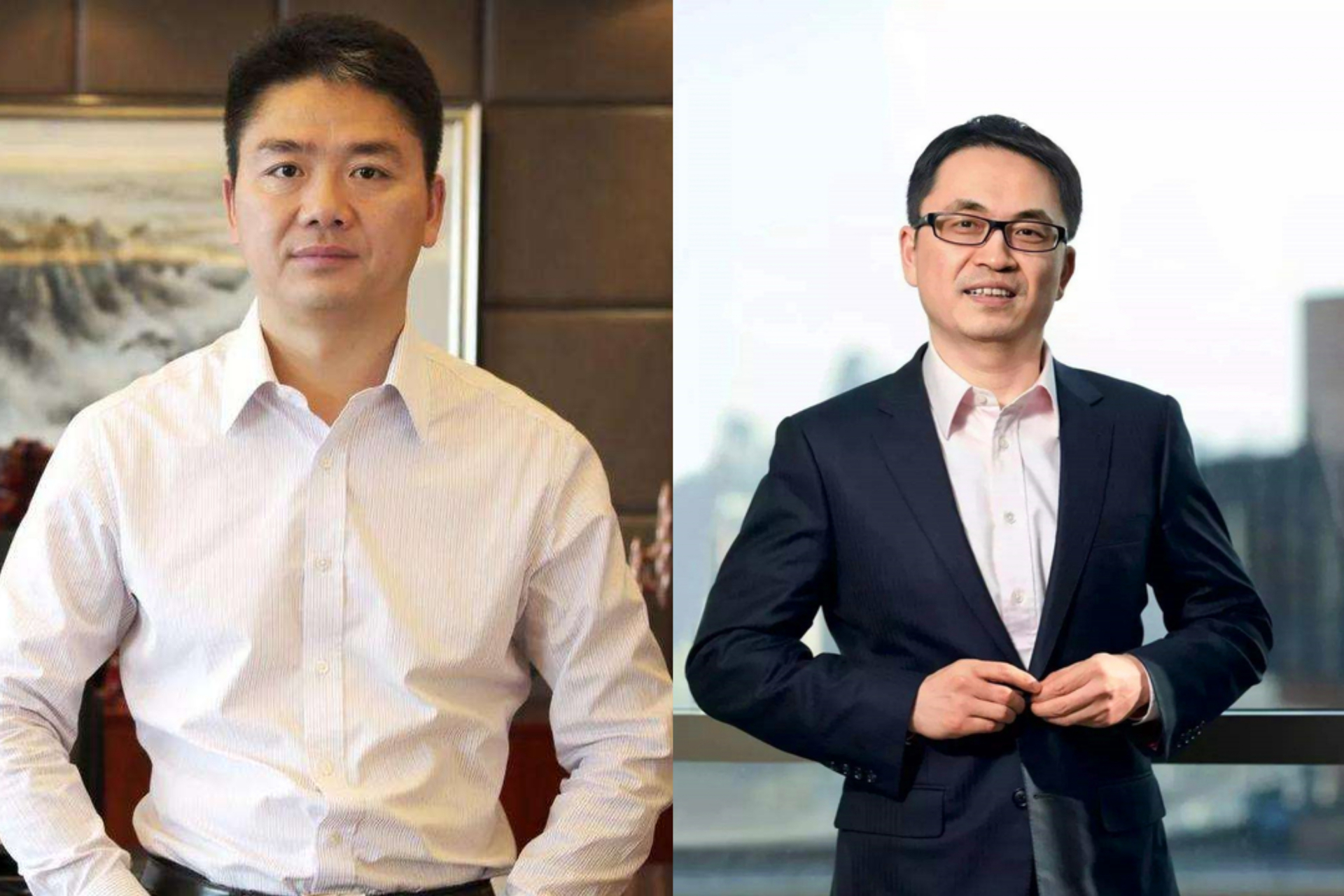
In 2010, its JD.com investment cemented its reputation. JD needed $75 million, but Zhang told founder Richard Liu, “Either let me invest $300 million, or I won’t invest a cent. This business needs heavy spending on logistics and supply chains to show core competitiveness.”
Liu accepted the $300 million, fueling JD’s rapid growth and soaring valuation, creating another Hillhouse legend.
As *Bloomberg* noted, “The sale of Starbucks China isn’t an end but a turning point from ‘foreign-led’ to ‘local-driven’ in China’s coffee market.” In the future, we may see a more “Chinese” Starbucks or witness another brand’s rise—I look forward to Hillhouse reshaping China’s coffee landscape.$SBUX $JD