
Stablecoin Revolution: Are Investors Missing the Bigger Picture?

Stablecoins have exploded back onto investors’ radars, with 22 brokerages churning out 43 in-depth reports in just one week.
Legislative momentum in Hong Kong and the U.S., blue-chip entrants like Ant Group, and the meteoric rise of Circle’s IPO have ignited a race for compliant digital dollars.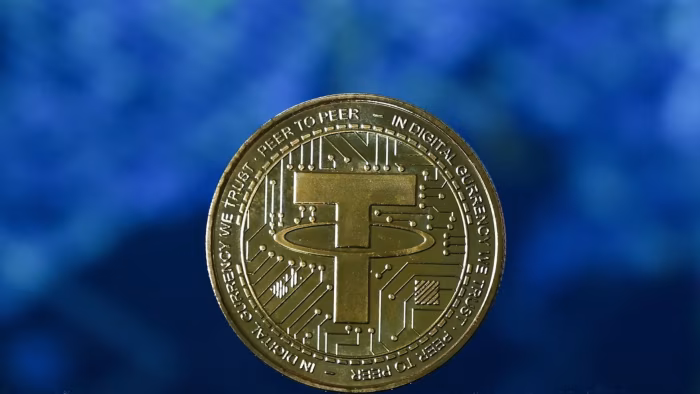
At its core, the current surge stems from stablecoins’ evolution—from niche crypto trading tools to strategic financial infrastructure reshaping cross-border payments and monetary systems.
Investors are weighing windfall gains against systemic risks flagged by the Bank for International Settlements (BIS).
Major capital markets have already shown their hand. Hong Kong’s new “Stablecoin Ordinance” and sandbox trials promise first-mover advantages.
Meanwhile, U.S. regulatory frameworks edge closer to reality, prompting traditional firms—from Walmart to Apple—to explore proprietary digital currencies.
Yet, under the surface lurks a stark warning: rapid innovation without robust oversight could imperil financial stability and national monetary sovereignty. The BIS urges central banks to accelerate digital currency initiatives before unregulated dollar-pegged tokens run amok.
Key Takeaways: What Should You Remember?
- Research Boom: 22 brokerages issued 43 stablecoin reports last week, reflecting cross-sector coverage—blockchain, payments, RWA tokenization.
- Investor Engagement: June saw 57 themed roadshows and conference calls, the busiest fintech calendar this year.
- Hong Kong Advantage: “Stablecoin Ordinance” enacted May 30 accelerates compliant issuance; sandbox trials compress cross-border payments to 10 seconds.
- Corporate Adoption: Ant Group, JD, and global giants like Walmart and Amazon signal imminent stablecoin launches or license applications.
- Risk Alert: BIS labels stablecoins a threat to monetary sovereignty, transparency, and emerging-market stability, citing past collapses like TerraUSD/LUNA.
Regulatory and Corporate Catalysts: A Powerful Duo
Hong Kong’s landmark “Stablecoin Ordinance” became law on May 30, positioning the city as Asia’s digital-asset hub. Authorized issuers can now mint tokens pegged to fiat, under strict reserve and auditing mandates.
By June 5, the first cohort of Hong Kong’s “stablecoin sandbox” ramped up to phase two, with JD’s HKD-pegged token slashing cross-border settlement times from days to seconds.
Ant Group’s two arms—Ant International and AntChain—have both confirmed plans to apply for Hong Kong stablecoin licenses. Their focus spans global payment networks, treasury management, and blockchain infrastructure.
U.S. momentum mirrors Asia’s. On June 5, Circle’s IPO triggered two trading halts but still doubled its share price intraday, closing June 20 at a 675% gain and a $530 billion market cap.
On June 17, the U.S. Senate passed the GENIUS Act, laying groundwork for regulated dollar-pegged tokens. Coinbase followed on June 19 with “Coinbase Payments,” a stablecoin gateway for e-commerce platforms.
Meanwhile, rumblings from Walmart, Amazon, Apple, Google, and Expedia indicate proprietary stablecoin explorations—aiming to streamline payments and lock in customer loyalty.
Analysts at China’s top brokerages credit this convergence of policy and corporate firepower for the current frenzy, forecasting stablecoin assets could top $1.6 trillion by 2030.
Systemic Risks and Warnings: A Deeper Look
The Bank for International Settlements (BIS) devotes a chapter of its upcoming annual report to stablecoin vulnerabilities. It warns that, absent central bank backing, these tokens could undermine monetary sovereignty and financial stability.
BIS economist Hyun Song Shin draws parallels to 19th-century U.S. free-banking, when private banknotes traded at disparate rates. He cautions that if a major stablecoin issuer fails, its collateral assets could be “fire-sold,” mirroring the TerraUSD/LUNA collapse of 2022.
Tether (USDT), which controls half the stablecoin market, has already bowed out of the EU following new licensing requirements. Concerns over asset-backing transparency and reserve quality continue to dog issuers.
BIS deputy head Andrea Maechler urges central banks to take “bold action,” integrating wholesale CBDC platforms with commercial bank deposits and government securities.
Such digital infrastructures, she argues, can preserve sovereign currency primacy while enabling programmable, near-instant settlement.
Without unified global standards, the BIS fears a fragmented landscape where unregulated stablecoins spur capital flight from emerging markets and erode trust in public money.
Looking Ahead: Strategic Implications
Investors face a pivotal choice: capitalize on first-mover gains or brace for regulatory backlash and market corrections. Hong Kong’s “first-mover” edge may reward local fintech champions, but A-share markets must identify scarce blockchain leaders and RWA innovators to ride the trend.
Long-term stablecoin adoption could reshape cross-border B2B and retail payments, enabling near-zero-cost transfers. Tokenized real-world assets (RWA) may unlock fresh liquidity, with stablecoins as seamless settlement rails.
However, safeguarding financial stability demands rigorous reserve audits, strong disclosure frameworks, and central bank digital currencies built in tandem—not as afterthoughts.
For now, stablecoins sit at a crossroads: poised to revolutionize payments and currency systems, yet shadowed by systemic risk. As lawmakers and institutions race to define rules, investors must balance bold bets with vigilant risk management.