
After Powell’s Testimony: What’s Shaking Up Wall Street’s Rate-Cut Bets?

Wall Street’s view of the Federal Reserve’s rate-cut trajectory flipped almost overnight after Chair Jerome Powell’s June testimony. Morgan Stanley now forecasts seven cuts beginning March 2026, driving swap-market odds of a July cut from near zero to 40%.
Meanwhile, Deutsche Bank warns of record internal Fed dissent—splitting policymakers into hawkish and dovish camps, making any path ahead highly uncertain.
Key Points
- Morgan Stanley’s New Forecast: Seven rate cuts starting March 2026, targeting a 2.50%–75% federal funds rate.
- Swap-Market Shift: Probability of a July cut jumped from ~0% to 40%; total cuts priced in through year-end rose from 45 to 60 basis points.
- Record Fed Disagreement: Deutsche Bank finds Fed officials’ dot-plot projections polarizing like never before, with a 50-basis-point gulf between the two most-common readings.
- Trader Positioning: $38 million poured into August 10-year Treasury call options, betting yields will fall from 4.3% to 4%.
- Diverse Views on Tariffs: Some Fed officials praise “wait-and-see” on tariff effects; others insist rising duties may stoke price pressures and delay cuts.
- Next Testimony Tonight: Powell returns to the Senate Banking Committee seeking clarity—can he temper market swings, or will uncertainty deepen?
Here’s Why Wall Street Abruptly Changed Course
When Powell took the hot seat before the House Financial Services Committee, he refused to pin cuts to a specific meeting—yet hinted that falling inflation and softening data could clear the way. Traders parsed his comments as more dovish than expected.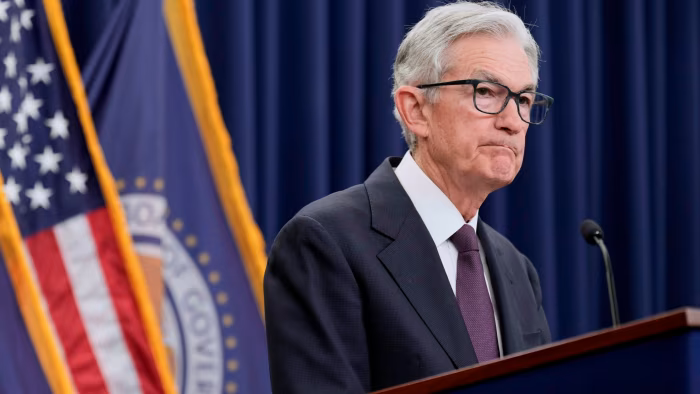
Startlingly, swap-based odds for a July rate cut rose to 40%, indicating markets now believe monetary easing might begin as soon as next month.
The catalyst? Powell’s repeated refrain that the Fed has “no reason to rush” but “won’t hesitate if inflation comes down.”
In a nuanced dance, he underscored the lagged nature of data, flagging that new tariff-induced price pressures might yet emerge. His emphasis on “listening to the data” struck a chord with investors, who had grown weary of previous “patient” rhetoric.
What Traders Are Betting On
In just two trading days last week, investors committed at least $38 million to August-expiry call options on 10-year Treasuries.
That trade, which profits if yields drop from today’s roughly 4.3% to 4%, marks the largest single-block wager since April. It underscores a surge of conviction: market participants now believe rate cuts aren’t just a distant 2026 theme.
Swap spreads corroborate this view: aggregate easing expectations across the remaining four Fed meetings climbed from 45 to 60 basis points.
Put simply, the cost of insuring against higher rates has plunged, while the value of hedges for cheaper borrowing has soared. This trading fervor illustrates how rapidly sentiment can pivot on a single testimony.
Morgan Stanley’s Bold New Timeline
Building on the market’s newfound zeal, Morgan Stanley’s economists now forecast seven rate cuts beginning in March 2026—an aggressive pivot from their earlier, more reserved outlook.
Under this scenario, the fed funds target range would drop to 2.50%–2.75% over successive meetings, a full 175-basis-point easing cycle.
Morgan Stanley argues that cooling inflation—especially if tariff pressures prove transient—will embolden the Fed to shift from “higher for longer” to “lower sooner.” Yet they caution that any resurgence in price gains, triggered by renewed tariffs or resilient services inflation, could swiftly push the timeline back.
Inside the Fed: Deep Divisions Unveiled
According to a Deutsche Bank analysis, internal Fed dissent is at a decade high. The June dot-plot—Fed officials’ individual rate projections—shows a highly polarized distribution for year-end 2025, with the two most common forecasts 50 basis points apart. When weighted by the number of officials, this “bimodal” split nearly matches historical extremes.
Deutsche Bank labels it “not historical uncertainty but historical division,” driven by starkly different readings of U.S. economic fundamentals. Some officials prioritize taming lingering core inflation, fearing premature easing could reignite price surges.
Others see slowing growth and mandates of maximum employment as signals to loosen policy more quickly.
Doves vs. Hawks: Voices from the Fed
John Waller (Governor) and Lael Bowman (Vice Chair) have tipped toward July cuts, highlighting limited evidence so far of tariffs heavily weighing on consumer prices.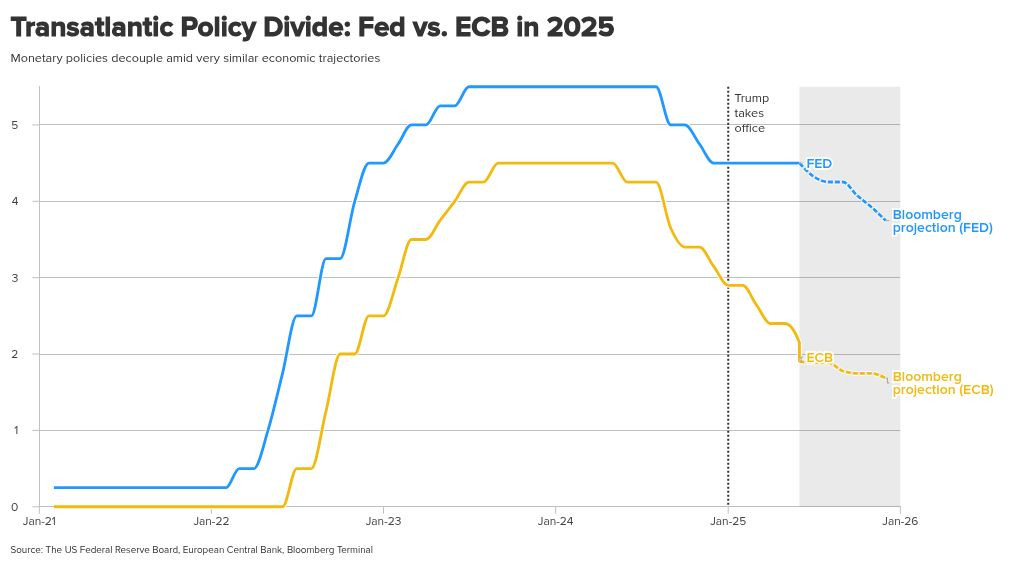
They argue that if incoming data confirm the Fed’s view of easing inflation, delaying cuts serves no purpose beyond risking unnecessary tightening.
By contrast, Jeff Schmid (Kansas City Fed President) counsels caution. He emphasizes that tariff-related price shifts may only fully manifest in June and July data, urging the Fed to “study the impact” before altering rates.
Schmid, a voting FOMC member this year, underscores that splitting mandates means higher prices could coincide with slower growth—complicating any cut decision.
What’s at Stake in Tonight’s Senate Hearing?
As Powell heads back to Capitol Hill’s Senate Banking Committee, markets will scrutinize every nuance.
Will he reiterate a “data-dependent” approach, or will he offer firmer guidance? Traders—already swung by his House testimony—seek concrete clues to nail down their rate-cut timing.
Key questions likely to arise include: How significant must tariff-driven inflation be to stall easing? What economic thresholds would prompt a cut?
And crucially, can Powell mollify both camps within the Fed? His answers could either stabilize markets or send swap spreads and Treasury yields on another roller-coaster ride.
Looking Ahead: A Market in Waiting
With the Fed’s policy path now cast in sharp relief—either a cautious “watchful waiting” or a ramp-up to cuts—investors face a binary outlook.
Should inflation continue its descent, dovish voices may force the Fed’s hand. But if the economy proves unexpectedly durable, markets could swiftly unwind their easing trades.
Regardless, the specter of tariff shocks adds an unpredictable twist. Powell’s pledge to “learn from the data” means that every new CPI print, employment report, or tariff announcement could tip the scales.
Until then, markets will remain perched on every Fed utterance, looking for the slightest hint of trend.
Conclusion
In under a week, Wall Street’s Fed rate-cut expectations have swung dramatically—from near-zero July odds to a 40% chance, and a 2026-start for cuts embedded by major institutions.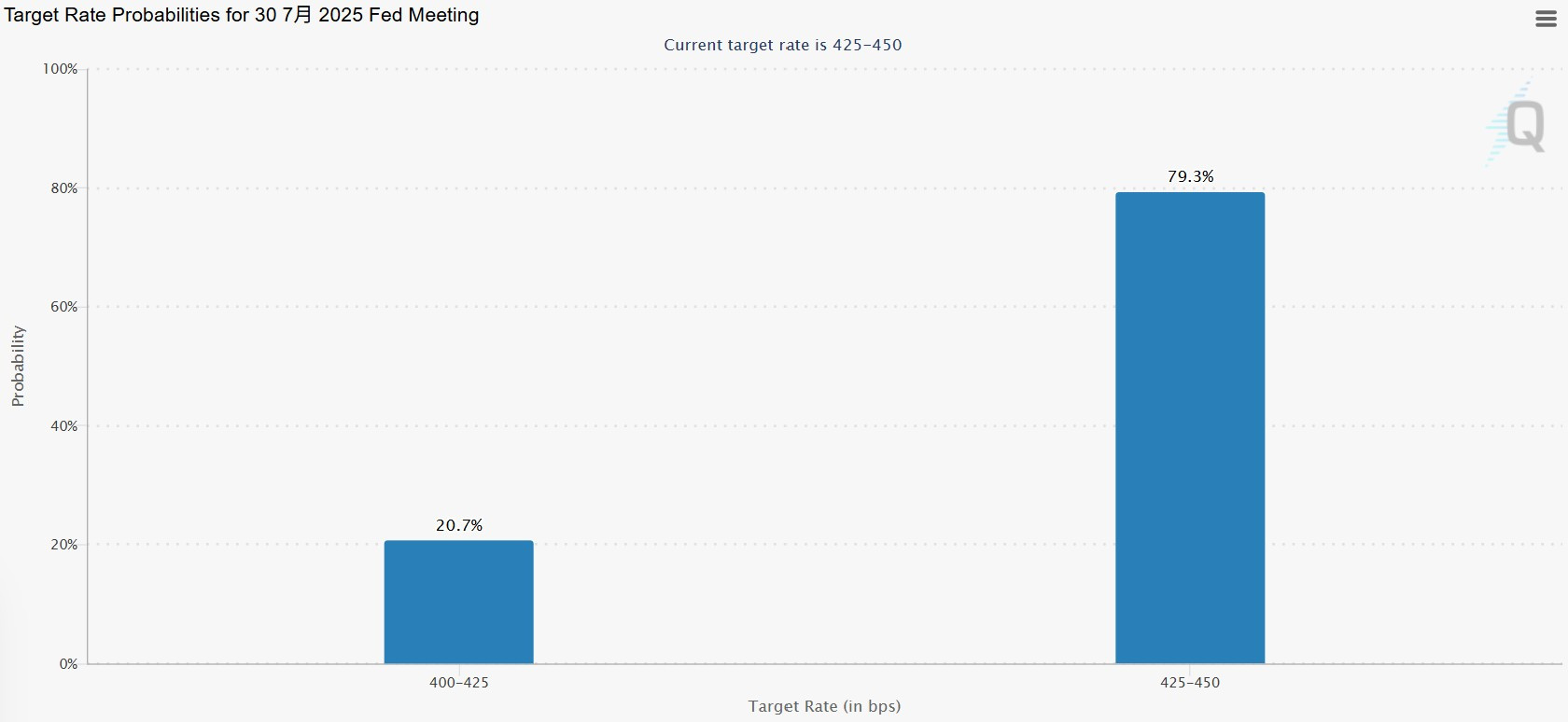
Yet behind these speculative moves lies unprecedented internal Fed discord and the looming uncertainty of U.S. tariff policy. As Powell returns to Senate questioning tonight, investors will once again hang on his words—aware that each phrase could redraw the monetary outlook for years to come.