
Europe’s Rally Stalls: What’s Driving Smart Money Back to Wall Street?

Hedge funds have executed the fastest sell-off of European equities in nearly a year, booking profits in defense names and redirecting capital to U.S. stocks.
At the same time, Brussels warns that if President Trump maintains his baseline tariffs, the EU stands ready to retaliate—and a critical July 9 trade deadline looms.
Key Takeaways
- Hedge funds recorded the second-largest weekly short position in European stocks through June 20, flipping from long-only to aggressive bearish bets.
- S. equities—especially banks, tech giants, and consumer-cyclical names—are regaining favor as investors seek summer resilience.
- European defense shares, led by Rheinmetall’s 248% rally over 12 months, became ripe for profit-taking ahead of a NATO summit.
- EU officials warn they will impose counter-tariffs on $116 billion–€95 billion of U.S. imports if Trump refuses to roll back base duties.
- July 9 marks the deadline when most EU-bound American goods could face a 50% levy, pushing negotiators into final sprint mode.
Why Europe’s Outperformance Is Losing Steam?
Europe’s benchmark indexes had surged past U.S. peers—Germany’s DAX is up over 17% versus a 1.3% gain in the Dow Jones—on steady dividend yields and value-stock rotations.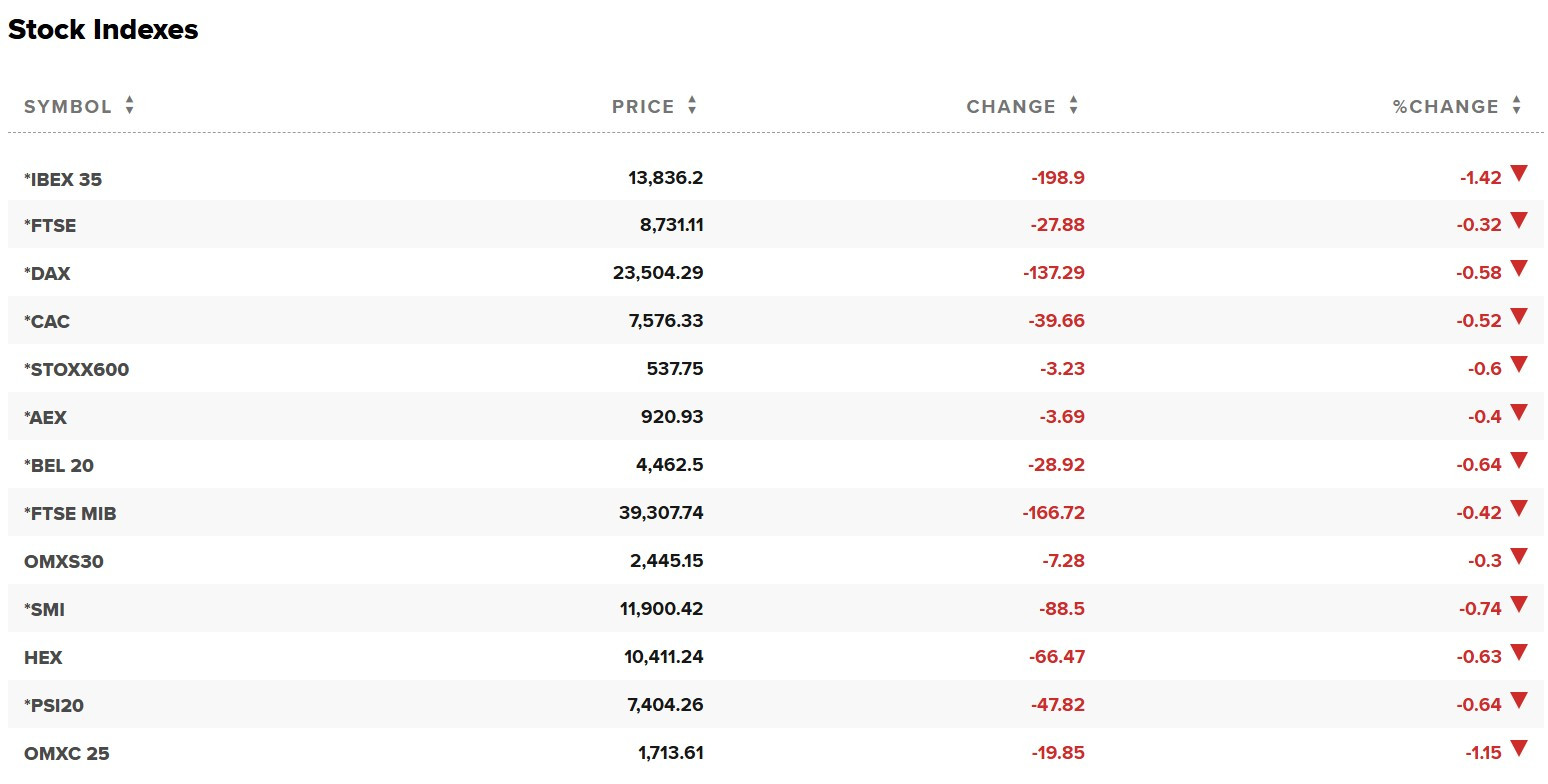
Yet Euro-strength and tariff uncertainties have hemmed in exporters’ profits, uncovering a dearth of fresh catalysts to propel shares higher.
Barclays strategist Emmanuel Cau notes that the euro’s 12% rise against the dollar this year has eroded earnings forecasts, while fading stimulus hopes have shifted sentiment.
With price/earnings near the 70th percentile of their historical range, Europe’s cheap valuation narrative is losing credibility.
Hedge Funds Hit the Exit Door
Goldman Sachs data through June 20 show hedge funds adding new short positions at the second-largest weekly pace in a year.
Traders pared back exposure in defense stalwarts—including Germany’s Rheinmetall, whose shares jumped 248% over 12 months—and poured proceeds into U.S. macro and single-stock shorts.
Meanwhile, funds remain net buyers of European banks, financial services and telecom names, betting on sector consolidation.
Luxury-goods groups with significant U.S. revenue have also attracted fresh inflows as managers pivot toward companies with greater exposure to America’s resilient consumer.
U.S. Stocks Back in Vogue
The “buy America” mantra is resurging as investors anticipate a benign summer—hoping recession fears will abate and a weaker dollar will boost exporters’ profits.
Big-tech bellwethers and regional banks have drawn the bulk of new allocations, with August call options on 10-year Treasuries surpassing $38 million to wager on lower yields.
That repricing underscores belief in a softer Fed pivot and a more stable geopolitical backdrop. In contrast to Europe’s tariff headwinds, U.S. corporates stand to benefit from a languishing dollar and anticipated policy support, making stateside equities the preferred destination.
Brussels Draws a Line in the Sand
European Commission economists warn that if President Trump doesn’t suspend his baseline 10% tariffs on EU goods, Brussels will retaliate.
Potential measures include levies on $210 billion of steel and aluminum imports plus an additional €95 billion of American products—ranging from Boeing jets to bourbon whiskey.
EU trade officials stress that July 9 is the decisive date: absent an agreement, duties on almost all EU-bound U.S. goods would spike to 50%. With $439 billion of transatlantic trade at stake, negotiators are racing to hash out a compromise before the deadline.
Negotiations in the Final Stretch
Both sides have ramped up talks in recent weeks, but optimism is waning. Many Brussels insiders believe the U.S. will hold onto some tariffs even if a deal is struck—echoing the UK-U.S. pact that left a 10% levy intact.
EU members are preparing for a spectrum of responses, coordinating on “unfairness thresholds” that will trigger sector-by-sector countermeasures.
As Bjoern Seibert, chief of staff to EC President von der Leyen, put it: “If we can’t secure a balanced outcome, we’ll recalibrate in key areas to protect European workers.” The civil aviation sector, he warns, could face fresh Airbus-Boeing skirmishes should Brussels impose extra levies.
What Comes Next?
Investors and policymakers face dual uncertainties: the trajectory of global capital flows and the fate of the world’s largest trading bloc.
Will hedge funds maintain their bearish tilt on Europe—or will a last-minute trade truce reignite the rally? Can Brussels and Washington bridge their differences on July 9, or will tariffs inflict lasting damage on transatlantic ties?
With smart money on the move and a peak-summer showdown on trade, market participants will be watching the next data prints—and diplomatic bulletins—closely. The answers will determine whether Europe’s bull run was a brief detour, or merely a pause before the next leg higher.