
Trump Wants a New Fed Chair Sooner and the Fight for Control Has Already Begun

President Trump is getting impatient with Jerome Powell. Even though Powell’s term as Chair of the Federal Reserve doesn’t end for another 11 months, Trump is already considering announcing his replacement early — possibly as soon as this summer.
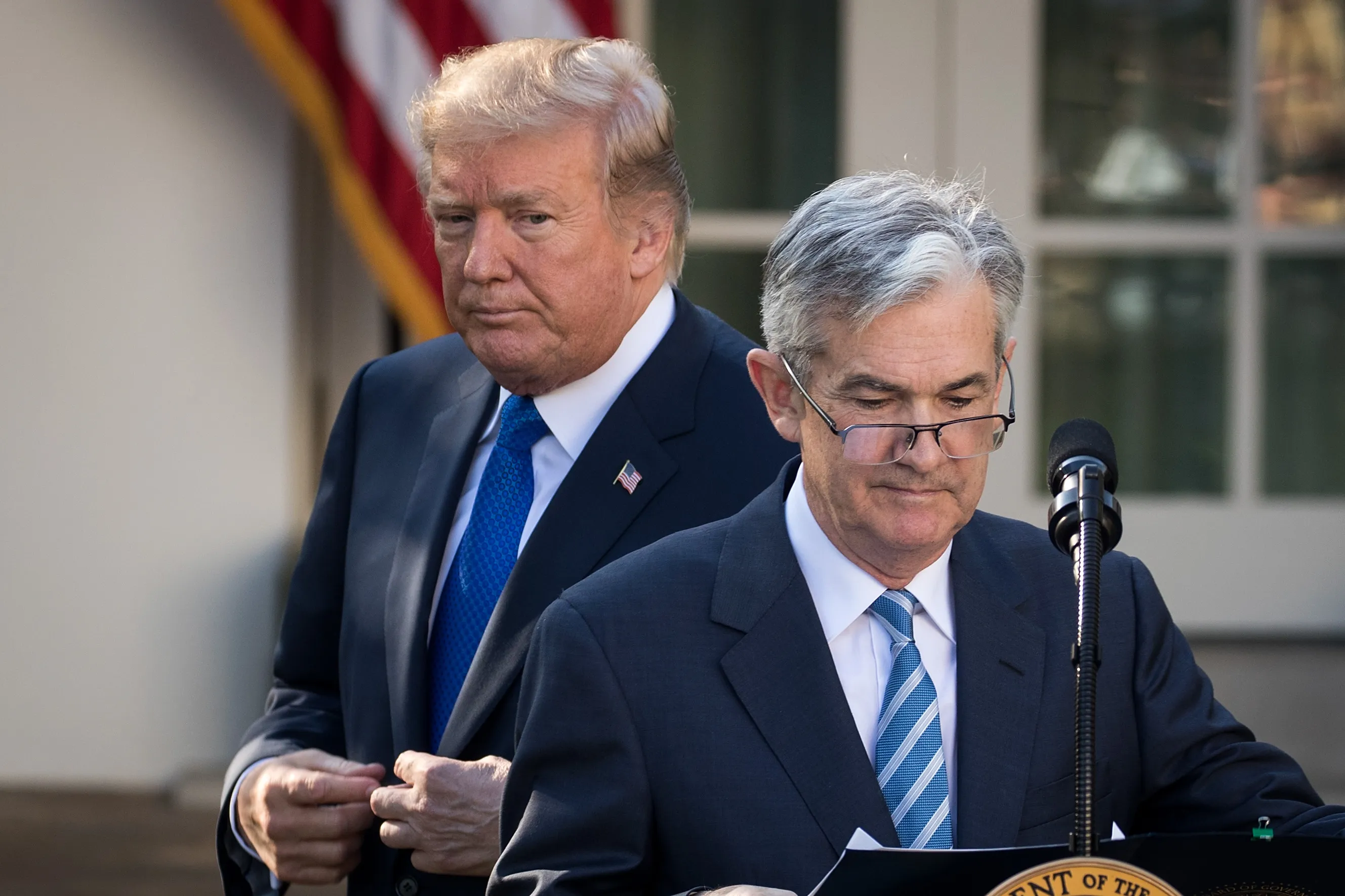
The motivation is clear. Trump is gearing up for a more aggressive push on economic growth, and he needs a Fed that’s on board. Powell, who’s taken a cautious approach to cutting interest rates, is standing in the way. So now, Trump is looking to get ahead of the curve — and ahead of Powell — by naming a successor who shares his vision of easier money and faster action.
Why Trump is in a hurry to replace Powell
While inflation in the U.S. has cooled, Powell insists on keeping rates high for now. His rationale is simple: wait until inflation is clearly under control. But Trump’s agenda — which includes a big stimulus plan and a growth-first monetary policy — needs support from the Fed, and he’s frustrated with Powell’s resistance.
At the NATO summit this week, Trump made his feelings crystal clear: “He goes out pretty soon, fortunately, because I think he’s terrible.” That wasn’t just venting — it was a signal. Trump wants to influence the Fed’s direction now, not 11 months from now.
What an early pick would mean for markets
If Trump announces a new Fed chair months ahead of the actual transition, that person would become what some insiders are calling a “shadow chair” — someone not in power yet, but with the ability to steer market expectations.
This would effectively weaken Powell’s influence over monetary policy and allow Trump’s pick to start nudging the Fed’s messaging before officially taking over. But it’s a risky move: too much early exposure could hurt the nominee’s credibility or trigger political and market backlash.
Who’s on Trump’s shortlist right now
According to sources close to the matter, Trump is considering a few top candidates:
-
Kevin Warsh: A former Fed governor under George W. Bush. He’s experienced and respected, but known as a policy hawk — more concerned about inflation than unemployment. That could put him at odds with Trump’s push for looser monetary policy.
-
Scott Bessent: The current Treasury Secretary and a longtime Wall Street investor. Bessent has gained Trump’s trust by navigating tariff policy and publicly supporting pro-growth strategies. While he has said he plans to stay at Treasury, insiders say he’s open to the Fed job.
-
Christopher Waller: A current Fed governor nominated by Trump in 2020. He recently became the first official to suggest a rate cut in July, which caught Trump’s attention.
-
David Malpass: Former head of the World Bank. Trump likes his recent calls for lower rates, but he’s reportedly unsure whether Malpass has the right “TV presence.”
-
Kevin Hassett: Trump’s former top economic adviser, who has said he isn’t interested in the job.
Each candidate comes with different strengths and risks, but one thing is clear: Trump is looking for someone who’s loyal, aligned with his agenda, and ready to act fast.
What’s at stake for the Fed’s independence
The Federal Reserve has fiercely guarded its independence since the 1970s, when inflation spiraled partly due to political pressure on interest rates. Powell has repeatedly said he won’t let politics dictate the Fed’s decisions. But Trump’s move to pre-announce a successor could shake that foundation.
The Fed’s policy is set by a 12-member committee, and even if Trump picks the next chair, he won’t control the majority unless some governors step down early. That limits how much sway his appointee can immediately have — but signaling matters. If markets start pricing in rate cuts based on the new nominee’s reputation, it could reshape financial conditions ahead of any actual decision.
How I see it
This isn’t just a personnel issue — it’s about power and control. Trump wants to set the stage for a turbocharged economy, and Powell’s caution is in the way. So rather than wait until next May, he’s using the announcement as a tool to preempt Powell and shift the narrative.
It’s also a sign that the next Fed chair will play a key role in America’s economic direction. If Trump installs someone who’s deeply dovish, we could see rate cuts happen sooner than expected — with ripple effects across equities, bonds, commodities, and even crypto.
But it also risks politicizing the Fed in a way that could undermine trust. Floating a name early, casting the current chair as “the problem,” and openly shopping for a more compliant candidate — it all makes the Fed look less like an independent institution and more like another piece in a political strategy.
The fight for the Fed isn’t just about interest rates. It’s about who gets to write the next chapter of U.S. economic policy — and how much of that is still insulated from politics.