
Robotaxis on the Rise: Will Uber and Lyft Survive the Autonomous Invasion?

By 2027, the first meaningful dent in America’s ride-hailing empire will arrive not from tariffs or regulation, but from fleets of driverless cars.
Barclays’ latest research shows that every 11,000 Robotaxis deployed erodes 10% of the city-to-airport rides that platforms like Uber and Lyft depend on.
While full-scale upheaval remains years off, 2027 marks the dawn of a “cold war” between human drivers and autonomous fleets.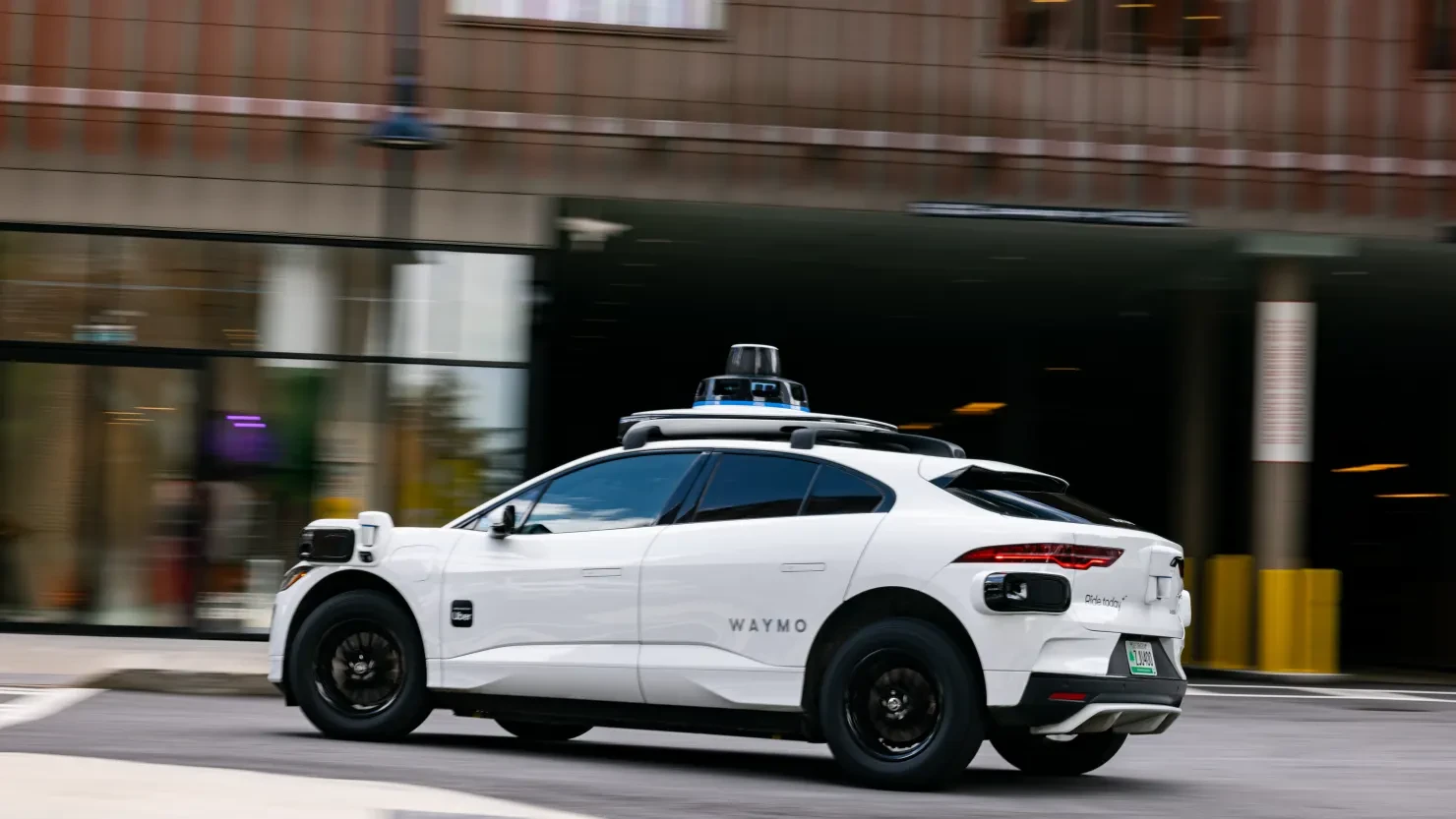
Key Takeaways
- 2027 Inflection Point: Robotaxis will begin to siphon demand, causing a “light” market impact.
- Market Size Today: Ride-hailing accounts for under 2% of 145.4 billion U.S. personal trips in 2026.
- Scale Needed for Big Impact: 22,000 Robotaxis for 20% share; 55,400 for 50% share—far beyond current forecasts.
- Waymo’s Numbers: 730 Jaguar I-PACE vehicles in California averaged 24 trips/day but sat idle 11 hours.
- Cost Hurdles: Break-even price of $32 per trip versus current rates; ideal low-cost models could drop this to $16.
- Supply Bottleneck: Only 1,500 vehicles today; $TSLA and Hyundai join in 2027, but scaling will still take years.
Why So Soon?: The Numbers Behind the Nerves
America’s ride-hailing penetration remains surprisingly modest. In 2026, out of 1.454 trillion personal vehicle trips, Uber and Lyft together will log just 2.91 billion journeys—roughly 0.2% of total travel.
That leaves an enormous 97.8% of trips up for grabs, and autonomous operators aren’t waiting. Barclays finds that adding 11,000 Robotaxis will capture 10% of the lucrative city-to-airport market. With 22,000 vehicles, they seize one-fifth; at 55,400, they own half—levels unattainable until supply catches up.
What Waymo Teaches Us: High Utilization, High Costs
Waymo’s California data offer a reality check. Its 730 Jaguar I-PACE EVs (half of its 1,500-strong fleet) set a new monthly record of 708,000 trips in March 2025, 14% above February’s tally.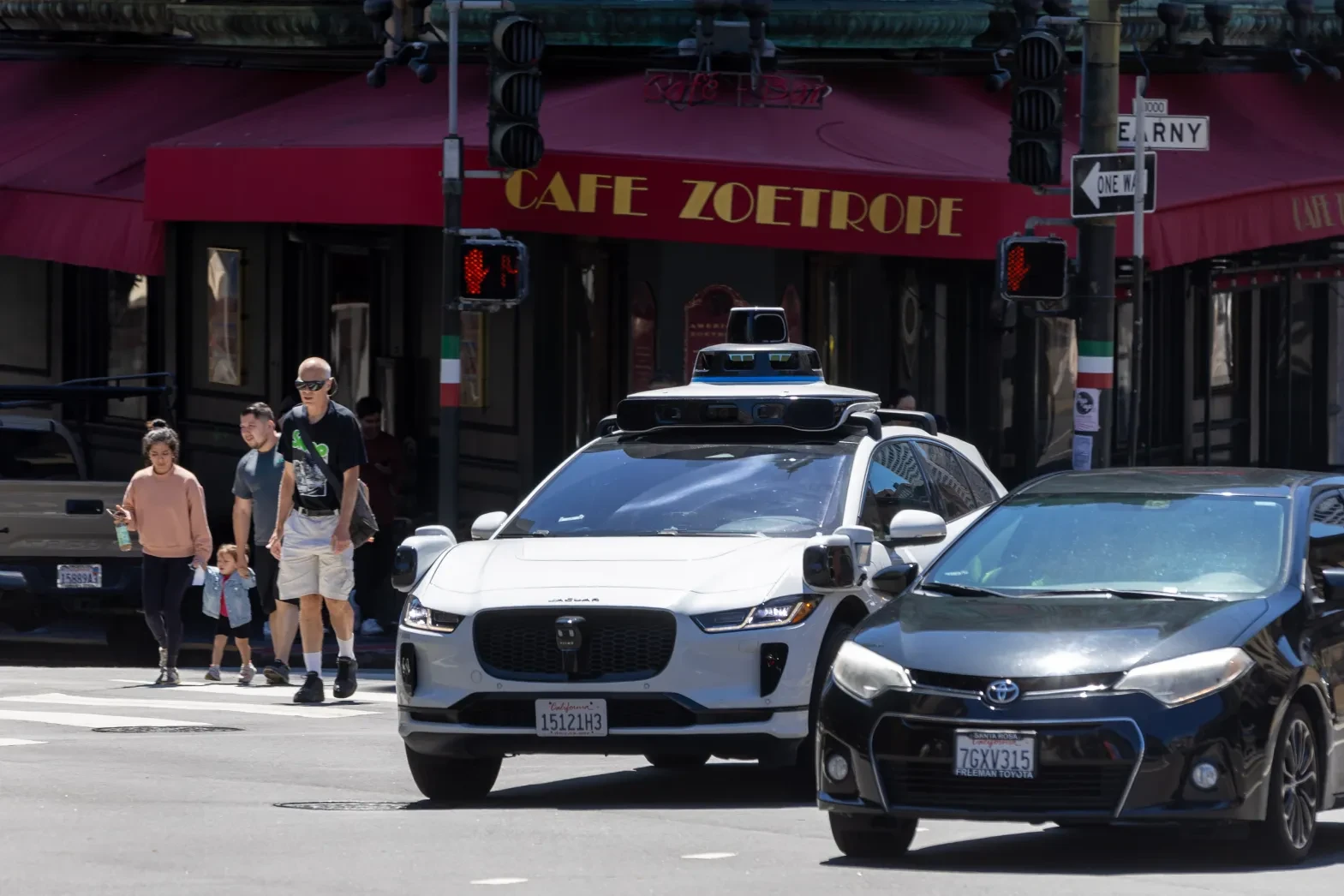
Utilization rose to an average 24 trips per vehicle per day, but each car logged only 13 operating hours—spending 11 hours idle waiting or charging.
At a theoretical 20 hours of daily service, peak utilization could hit 36 trips per day, yet the break-even fare sits at $32 per excursion, well above what customers pay today.
Will Partnerships Buy Time?: Uber, Lyft & Robotaxi Alliances
To soften the blow, Uber and Lyft are partnering with Waymo and others. Those alliances share ride volume—and operating losses—across platforms.
By funneling some Robotaxi trips through their apps, incumbents delay direct competition. But Barclays warns that by 2027, autonomous fleets large enough to make a dent will be in place, and these partnerships will offer diminishing protection as supply ramps.
Where Robotaxis Will Rule First: Concentrated Hotspots
Autonomous vehicles thrive in dense, familiar zones—and they’re not spreading evenly. Waymo confines early operations to core areas, like San Francisco’s 7×7-mile downtown grid plus the airport, covering 40% of local trips.
Add suburbs and San Jose, and reachable demand jumps to half or more. Barclays notes that 20 major metros supply 80% of Uber/Lyft bookings; Waymo now operates in nearly 10 of those, albeit covering only about half of each metro’s area. Even partial coverage means roughly 700 million annual trips at risk.
When the Impact Turns Real: 2027’s Light Strike
Despite headlines, full-scale disruption won’t happen overnight. At Barclays’ forecasted utilization (36 trips/car/day) and a 3,500-vehicle fleet in 2026, Waymo alone delivers only 72,000 trips daily.
Add $TSLA ’s planned 1,000-car rollout, and total Robotaxi share still hovers around 4% of daily city/airport rides. That’s enough to send shivers down drivers’ spines but not to upend the entire industry.
True market shift—20–50% share—demands fleet sizes 6–16 times larger than expected in 2026, constrained by production, infrastructure, and tech maturity.
The Supply Bottleneck: Why Growth Won’t Explode
Vehicles, not demand, are the choke point. Today’s combined Robotaxi fleet is tiny compared to 4 million U.S. rideshare drivers. Waymo plans to add 2,000 more Jaguars by 2026; extra capacity won’t appear until Hyundai’s factory lines spin up in 2027.
Tesla’s Cybercab service in Austin starts small, targeting 1,000 vehicles in months—far short of the tens of thousands needed. Other startups and OEMs pledge partnerships, but their fleets remain either too small or too unproven to lift the overall count.
The Cost Conundrum: From $32 to $16 Break-Even
Autonomy tech isn’t cheap. Each Jaguar I-PACE packs over $200,000 of sensors, compute, and integration. At current utilization, Waymo’s per-trip break-even stands at $32.10, versus rates in the low teens charged today—hence the losses.
Looking ahead, idealized Robotaxi models costing $30,000 could halve that break-even fare to $15.88. That’s the goal behind partnerships with Hyundai, Geely, and others: develop lighter, cheaper platforms that can operate profitably at scale.
What Drivers & Platforms Should Watch: The Early Warning Signs
- Utilization Spike: Hitting 30+ trips per car per day outside beta zones indicates expanding demand.
- Fare Compression: If Robotaxi pricing nears traditional ride-hail rates, price wars will follow.
- Fleet Announcements: OEMs committing >10,000 vehicles signal genuine scale.
- Regulatory Green Lights: New approvals for operation beyond pilot regions accelerate growth.
When these factors align, 2027’s “light” disruption may feel far more potent—and Uber/Lyft profitability will face real stress.
Conclusion: Preparing for a Driverless Cold War
The battle lines are drawn. Human-driven ride-hail still dominates with minimal market share, but Robotaxis are en route to carve out their slice. 2027 will mark the start of tangible competition—enough to reshape platform economics, driver livelihoods, and customer expectations.
Incumbents can buy time via alliances and lobbying, but only massive fleet deployments, cheaper hardware, and higher utilization will turn tomorrow’s Robotaxis from novelty to norm. Buckle up: the cold war on wheels is just beginning.