
Fed in the Crosshairs: Can U.S. Central Bank Weather Political Firestorm?

In an extraordinary public clash, President Trump has openly challenged Federal Reserve Chair Jerome Powell’s leadership—calling him “stubborn” and “dumb,” urging his resignation, and vowing to appoint a successor committed to rate cuts.
At the same time, the Fed faces a “historic-level split” over policy direction, even as its stress tests affirm bank resilience.
With the Treasury seeking to reassure markets and rate-cut odds rising, the Fed’s vaunted independence is under unprecedented strain.
Key Points at a Glance
- Presidential Pressure: Trump demands Powell’s exit, pledges to install a “dovish”
- Treasury Calms Waters: Secretary Becerra downplays talk of a “shadow chair” and pegs nomination to October/November.
- Bank Resilience Confirmed: Fed stress tests show 22 large banks can absorb severe recession losses.
- Policy Rift Grows: Fed insiders Bowman and Waller signal July cuts, while hawk Harker resists.
- Powell’s Watchful Pause: Chair emphasizes data‐dependence, signals possible September easing.
Trump’s Full‑Frontal Attack
President Trump stepped up his assault on Fed independence on June 27, publicly labeling Chair Powell “a stubborn mule” and “dumb.” “If he wants to resign, I’d be very happy,” Trump said, promising to replace him with someone “who wants to cut rates.” He claimed multiple suitable candidates are “ready to go”—a direct challenge to the Fed’s decade‑long norm of political insulation.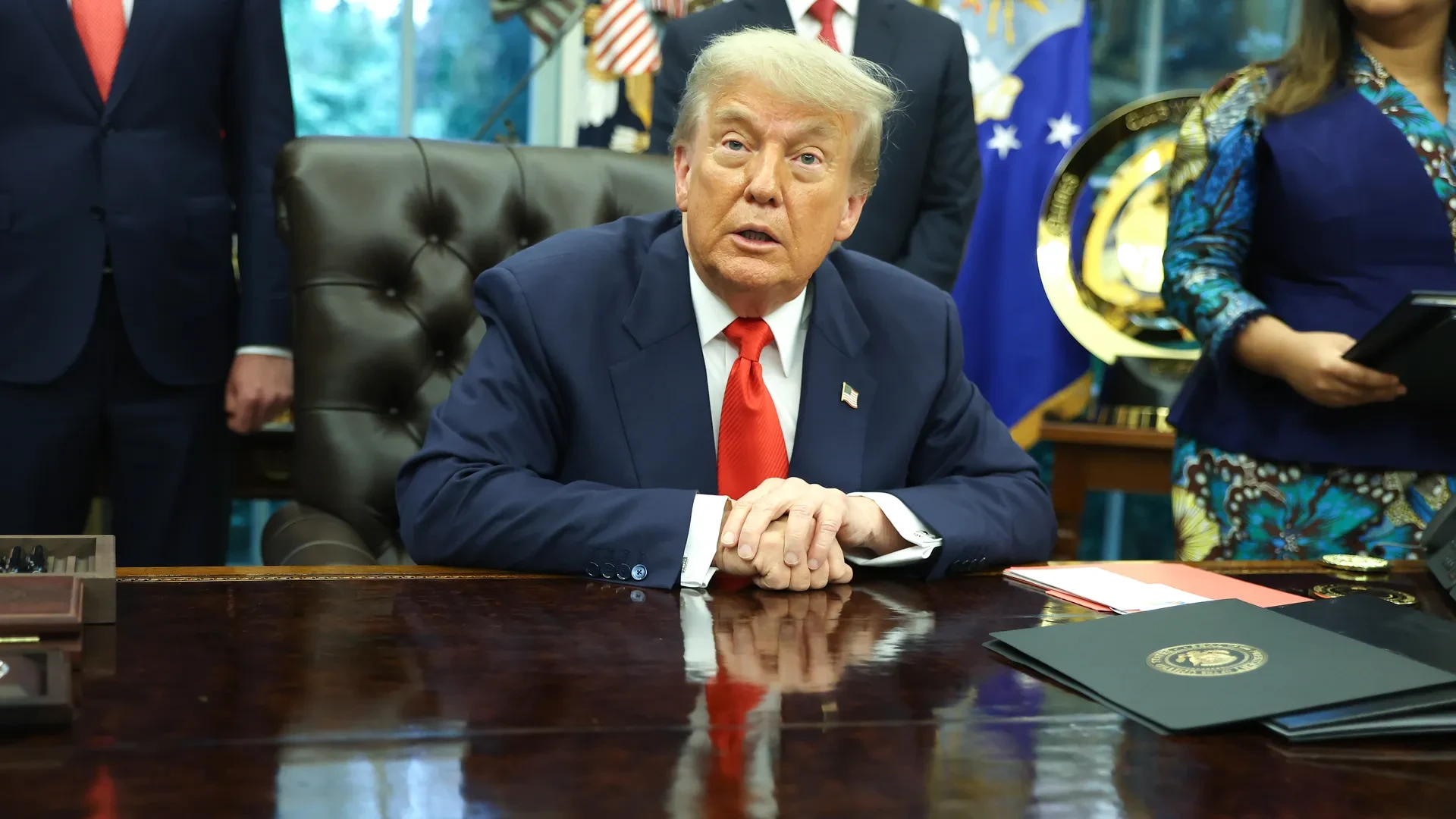
Only 11 months remain in Powell’s term, yet Trump has intimated an early departure and early nomination, breaking precedent. Former Fed officials warn that such pressure could undermine market confidence and erode the central bank’s credibility.
Treasury Secretary’s Reassurances
In response, Treasury Secretary Xavier Becerra sought to defuse concerns, insisting “no one is seriously discussing” a “shadow Fed chair.” He outlined a more conventional timeline: a nominee announced in October or November, with Senate confirmation by January.
Becerra noted that while Powell’s chair term ends next May, his board term runs through 2028—meaning he could stay on as governor even after leaving the chair.
Becerra emphasized stability: “The Fed will continue its work free from undue influence,” he said, underscoring that succession planning remains on a traditional track.
Stress Tests Pass with Flying Colors
Amid the political tumult, the Fed’s annual stress tests delivered reassuring news. All 22 U.S. banks with over $100 billion in assets—including JPMorgan, Bank of America, Citigroup, Wells Fargo, Goldman Sachs, and Morgan Stanley—remain above capital thresholds under a hypothetical recession with 8% GDP contraction, 10% unemployment, 33% home‑price drop, and 50% equity decline.
The tests showed banks could collectively absorb over $550 billion in losses—enough to cover $148 billion in credit‑card defaults and $124 billion in commercial‑loan losses.
Shares of major banks jumped in after‑hours trading: Goldman +2.2%, Wells Fargo +1.8%, Bank of America +1.0%, and JPMorgan +0.5%.
The Fed’s “Historic‑Level Split”
As political noise mounts, so does internal Fed debate. A recent Citi report highlights an unprecedented divide over rate cuts:
Dovish Camp: Governors Lisa Cook Bowman and Christopher Waller publicly support a July rate cut if upcoming data remains favorable.
Hawkish Stand: Cleveland Fed President Loretta Mester opposes near‑term easing, citing ongoing inflation risks.
Centrist Position: Chair Powell urges patience, pledging to “watch the entire summer’s data” before acting—pointing to a likely first cut in September.
Markets currently price in roughly 70 basis points of easing this year, with Citi still forecasting a September move but acknowledging elevated July odds.
What Bowman and Waller See
Governor Bowman has shifted decisively dovish after May’s cooler jobs and inflation prints. On June 23, she declared, “If inflation stays under control, I will support lowering rates to keep policy near neutral and safeguard the labor market.” She sees stretched valuations and softer spending as signals that a cut could shore up growth.
Christopher Waller, long known for a moderate stance, echoed Bowman on June 20, saying, “We may have room to ease as soon as July, depending on tariff impacts on PCE inflation.” He asserted that trade‑policy‑driven price pressures appear temporary, making earlier action plausible.
Hawks Hold the Line
Not all colleagues share that view. Dallas Fed President Lorie Logan stresses caution, while Philadelphia Fed President Patrick Harker—once considered moderately dovish—has voiced concerns about premature cuts.
“Economic resilience means there’s no urgent need to lower rates,” Harker argued, suggesting the Fed may need to maintain current policy “for some time” to temper inflation risks.
These dissenting voices suggest any rate‑cut decision requires consensus—a high bar amid shifting data and political pressures.
Powell’s Data‑Driven Balancing Act
Caught in the crossfire, Chair Powell remains the arbiter. In recent Congressional testimony, he reiterated that without trade‑related uncertainty, rates “could have been lower.”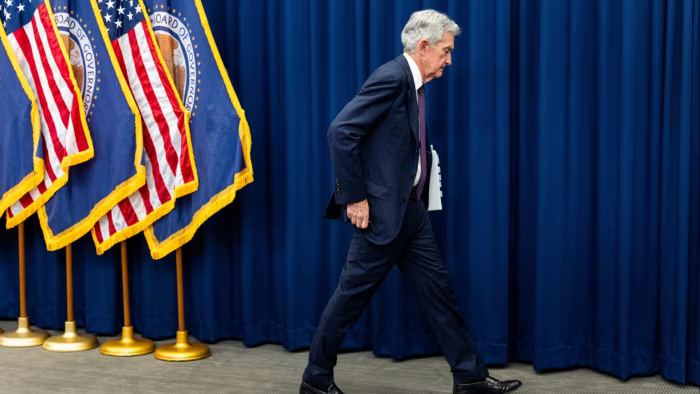
Yet he insists on a “wait‑and‑see” approach, focusing on June and July inflation readings to determine timing. This caution points to a likely September easing, but leaves markets on edge as July meeting looms.
Powell’s tightrope: maintain credibility by defending Fed independence, while responding to cooling inflation and slowing growth before conditions deteriorate.
Political Stakes for Fed Independence
Trump’s vocal demand for a politically compliant successor strikes at the heart of central bank independence. Markets traditionally prize Fed insulation from electoral cycles; any perception of politicized policy risks spooking investors.
Former Vice Chair Alan Blinder warned of “chaos” if two powerful Fed voices—one official, one “shadow”—offer conflicting guidance. Gregory Valliere of AGF Investments calls such a scenario “a recipe for confusion and market volatility.”
What’s Next on the Calendar?
- July 9: Deadline for the 90‑day tariff pause—renewal or expiration could sway markets and inflation.
- July Meeting: All eyes on June inflation, employment data; hawk‑dove balance may shift.
- October/November: Potential window for nominee announcement, per Treasury guidance.
- January: Earliest date for a new chair’s confirmation and installation.
Investors will watch each milestone for clues about the Fed’s autonomy and policy path.
Implications for Markets and Economy
Should Trump succeed in installing a rate‑cut advocate, the Fed could pivot sooner than data warrant—risking an overheating economy or rekindled inflation.
Conversely, guarded independence could bolster credibility, but slow cuts risk dampening growth. Stress‑test results provide a buffer: banks appear well‑capitalized, but credit conditions and lending behavior may tighten if political conflict intensifies.
Conclusion: A Pivotal Moment
The Federal Reserve—long revered for its political neutrality—faces its most potent challenge in decades. Presidential pressure, internal policy rifts, and market anxieties converge as the U.S. navigates trade disputes, slowing global growth, and stubborn inflation.
Chair Powell’s leadership and the Treasury’s stabilizing efforts will prove critical. As July approaches, stakeholders must ask: will the Fed hold its ground, or yield to political currents? The answer will shape economic fortunes for years to come.