
Stablecoin Stakes in Hong Kong: Are You Positioned for the Regulatory Wave?

Hong Kong’s landmark Stablecoin Regulations, effective August 1, instantly create a tiered playing field: licensed issuers, virtual‑asset trading venues, and fintech service providers stand to benefit most.
Yet the market is nascent, profit paths vary, and Hong Kong’s strict no‑interest rule on token holdings demands creative business models. Investors must zero in on regulated players with scale, technology, and license advantages to capture the early upside.
Key Points
- Regulatory Clarity Arrives: HKMA’s stablecoin framework defines issuance, trading, custody, and service standards.
- Selective Access: Only sandbox‑approved issuers and VATP‑licensed exchanges can mint and list tokens.
- Divergent Revenue Models: Issuers earn reserve‑asset yields; exchanges collect trading and clearing fees; custodians and tech vendors charge service fees.
- No‑Interest Constraint: Hong Kong forbids paying interest on token holdings—“hold to earn” won’t work locally.
- Early Movers Advantage: Entities like HKDG, JD‑HKD, HKDR candidates, OSL Group, and Futu lead in licensing and retail reach.
Who Wins the License Lottery?
Hong Kong’s “stablecoin sandbox” pre‑qualified five institutions as top license candidates:
HKDG Consortium: A joint venture of Standard Chartered, a fintech group, and Hong Kong Telecom.
JD Coin Chain Tech: Backed by JD.com, aiming at cross‑border payment via JD‑HKD.
Omnicoin Innovation: Partnering with Cobo and Lianlian to issue HKDR for DeFi and trade.
Ant Group’s affiliate units have also signaled plans to apply, but only HKMA’s final awards in late July will decide.
How Will Issuers Earn?
Circle’s model shows issuers invest over 80% of reserves in short‑dated U.S. Treasuries via BlackRock, with the rest in systemically important banks—generating virtually risk‑free interest. In 2024, these yields represented 99% of Circle’s revenue.
Hong Kong issuers must replicate such scale, yet they cannot pass yields to holders; instead, they’ll need subscription or service fees to capture surplus.
What Does No‑Interest Mean for Investors?
Hong Kong’s prohibition on interest payments to token holders upends common “earn‑by‑holding” strategies. Investors can no longer rely on passive yield:
Issuers: Must pivot to fee‑based models—subscription tiers, premium services, or token‑utility enhancements.
Holders: Need to engage with platforms offering active earning opportunities—staking, lending, or other DeFi features outside of stablecoin reserves.
Can Exchanges Capture the Flow?
Virtual‑asset trading venues with VATP licenses will serve as the primary on‑ramps for regulated stablecoins. OSL Group—the first licensed exchange—earned 70.2% of 2024 revenue from trading fees (0.15–0.28% per trade) and 24.5% from SaaS services.
As HKD‑pegged stablecoins list, exchanges with high liquidity, robust security, and user‑friendly platforms will secure accelerating fee income.
Why Custodians and Tech Vendors Matter
Custodial Banks: Institutions like ZhongAn will guard reserve assets, charging AUM‑based fees critical to issuer credibility.
Infrastructure Providers: KYC/AML, blockchain security, and payment‑rail specialists (e.g., Sifang Jingchuang, China InfoSec) will earn recurring contracts as compliance partners.
Retail Brokers’ Edge: Scale Meets Crypto
Internet brokers with vast retail bases—Futu at the forefront—are positioned to integrate regulated stablecoins swiftly. Their advanced trading apps, existing VATP applications, and deep customer relationships mean they can list HKD‑stablecoin pairs, bundle crypto services, and monetize through trading fees and platform subscriptions, outpacing traditional brokerages.
Market Landscape and Giants
Global stablecoin market tops $2.3 trillion (Q2 2025), led by USDT ($1.5 trillion) and USDC ($600 billion), both off‑chain fiat‑backed.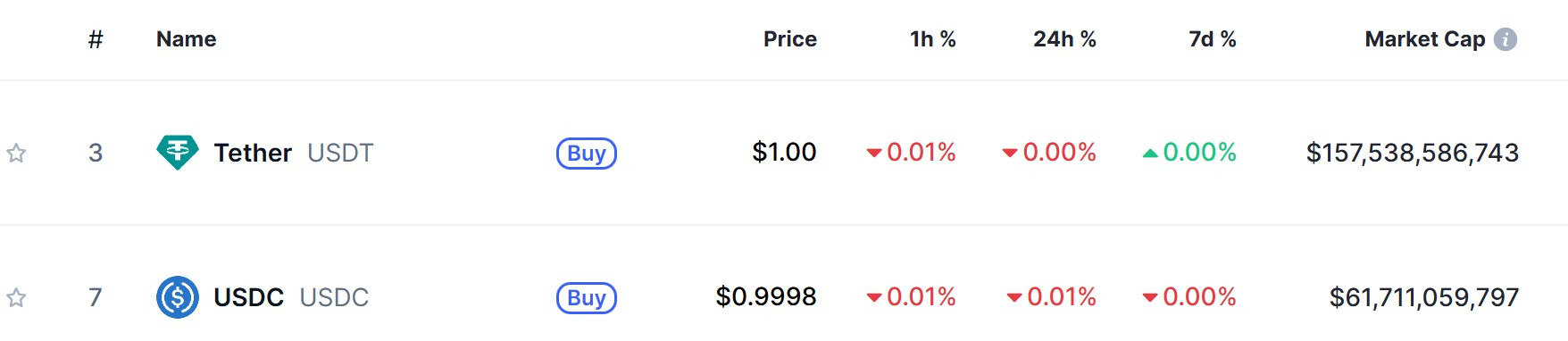 Hong Kong’s market will focus on these robust models, as regulators prioritize 1:1 fiat collateralization, transparent audits, and capital requirements, relegating on‑chain, commodity‑backed, or algorithmic tokens to niche roles.
Next Steps for Investors
Monitor HKMA Announcements: Final license awards expected late July—act quickly on winners.
Track Exchange Volumes: Rising HKD‑stablecoin trading signals accelerating fee revenue.
Evaluate Service Partnerships: Custodians and tech vendors with proven compliance track records are linchpins.
Adapt Yield Strategies: Shift from passive holding income toward active platform engagement and value‑added services.
Hong Kong’s August 1 stablecoin regime crystallizes a new era of regulated digital assets in Asia. Success hinges on securing HKMA licenses, scaling reserve‑yield models within the no‑interest framework, and leveraging retail platforms.
By aligning with early‑mover issuers, licensed exchanges, and essential infrastructure partners, investors can capture the regulated crypto wave’s first rewards.