
Could Laopu Gold Eclipse Century Old Luxury Icons—or Is It Just Hype?
Laopu Gold (06181.HK), a relative newcomer founded in 2009, has stormed onto the Hong Kong market with a near-Hermès valuation. Its share price briefly topped HK$1,000 on June 5, 2025—surpassing Tencent to become the priciest Hong Kong stock, with market capitalization soaring close to HK$150 billion. Backed by “ancient-method” craftsmanship and aggressive brand positioning, the company posted an astonishing 167.5% revenue jump in 2024 and boasts gross margins above 40%.
Yet, compared with two-century-old Hermès (MAS: RMS) and established peers like Chow Tai Fook (01929.HK), questions loom over sustainability: Can Laopu Gold justify its 100× P/E, defend its niche, and maintain growth when gold prices—and sentiment—shift?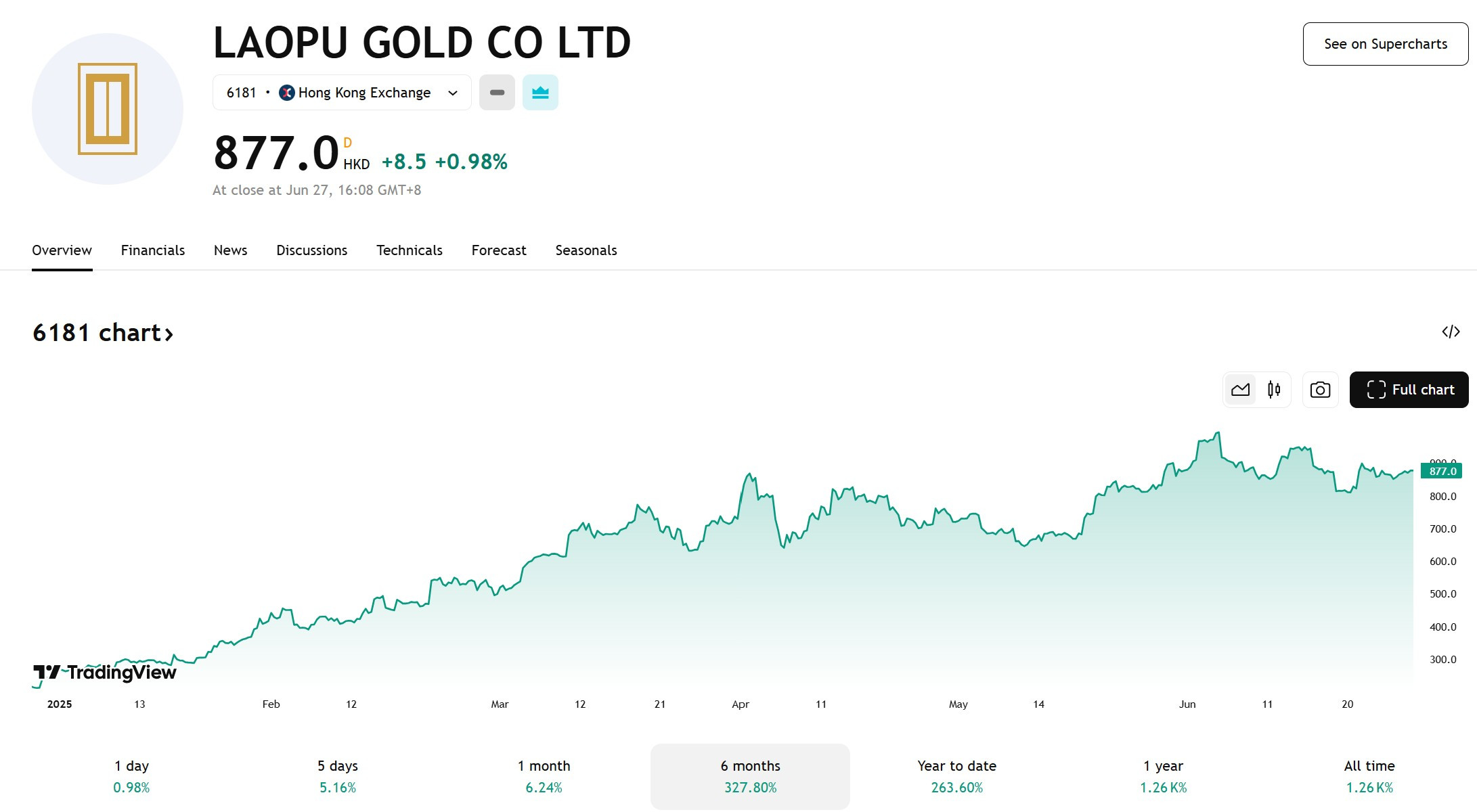
Key Takeaways
- Sky-High Valuation: Laopu Gold’s market cap rivals major luxury names, but trades at over 100× forward earnings vs. 22× for Chow Tai Fook.
- Margin Mastery: Unique “ancient-method” goldwork and one-price strategy fuel 40%+ gross margins, double traditional peers.
- Rapid Revenue Growth: Revenue leapt from RMB 8 billion in 2023 to RMB 85.1 billion in 2024—a 167.5% year-on-year surge.
- Niche Footprint: Just 36 outlets in 15 cities against thousands for century-old brands; brand awareness remains limited.
- Caveats Ahead: Low entry barriers for ancient-method craftsmanship, gold price volatility, and the collapse of growth drivers pose real risks.
How Did an Eightteen‑Year‑Old Brand Outshine Centuries of Heritage?
Laopu Gold’s rise has been meteoric. By marrying ancient Chinese goldmaking techniques—hammered textures, filigree, matte finishes—with modern luxury marketing, it carved a unique niche among high-net-worth buyers.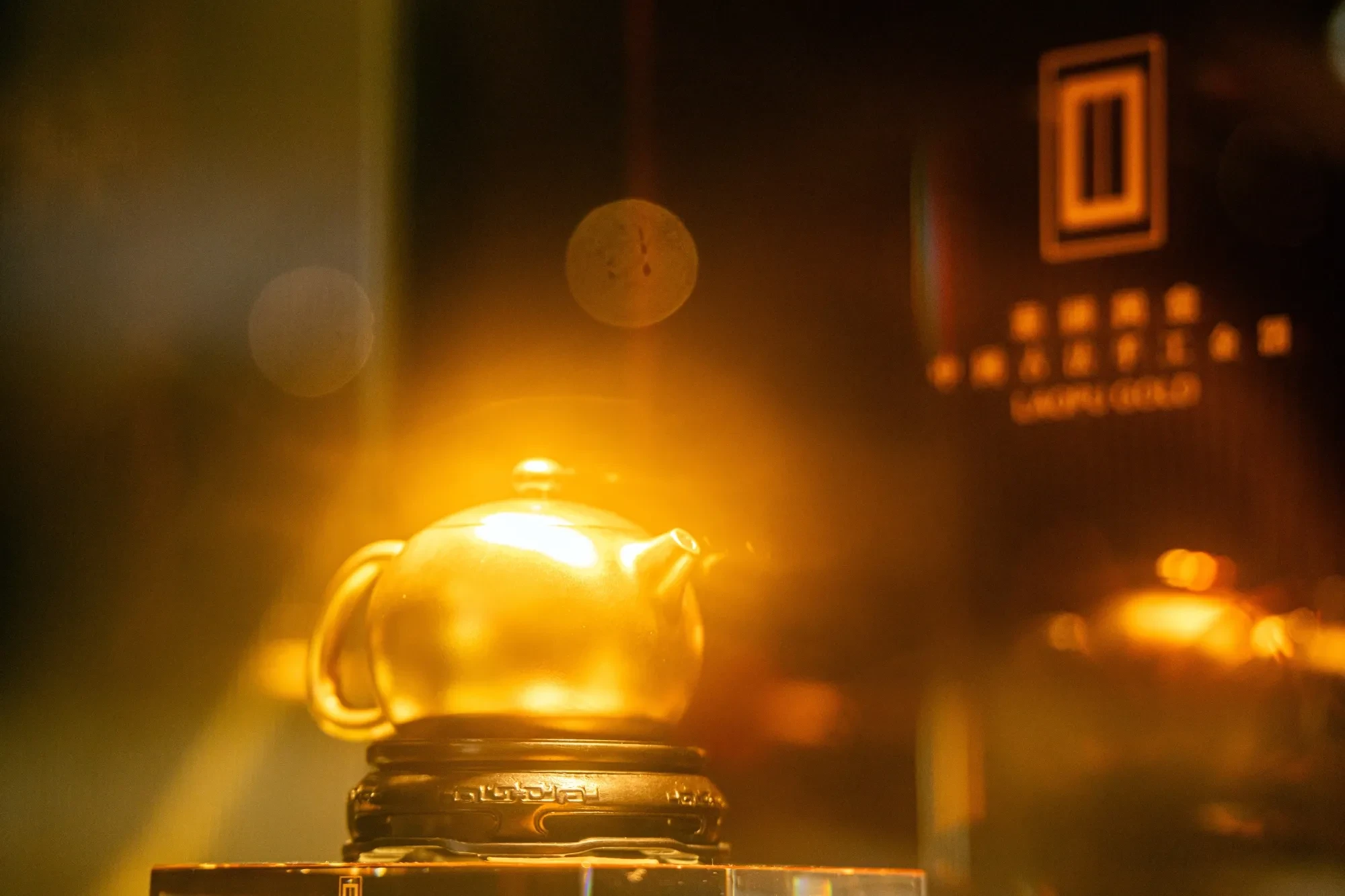
A debut IPO price of HK$40.50 in June 2024 saw an 80% first‑day spike, fueling queues of eager customers. In 2024, its mainland malls averaged HK$328 million in sales each—surpassing even Hermès outlets in some locations.
Can Rich Margins Trump Traditional Price Models?
Unlike incumbents who price by weight plus labor, Laopu Gold’s “one‑price” model bundles material and craftsmanship into a single tag. Complemented by biannual price raises, this mimics luxury fashion’s scarcity appeal and delivers gross margins consistently north of 40%.
By contrast, Chow Tai Fook and Chow Sang Sang hover around 20%, while Lao Feng Xiang struggles below 10%. Such profitability amid broader industry margin erosion has captivated investors.
Brand Power: Success or Illusion?
While Laopu Gold’s stores sit alongside SKP and Taikoo Hui’s luxury corridors, its footprint is dwarfed by established players: Chow Tai Fook operates thousands of outlets nationwide.
Brand recognition thus remains niche—luxury‑hungry urbanites know “ancient-method” goldwork, but mass affluent buyers do not. Sustaining momentum demands expansion without diluting exclusivity, a delicate balancing act that legacy jewellers mastered over decades.
What Happens If Gold Prices Decline?
Gold jewellery straddles investment and adornment: soaring gold costs often curtail demand. In 2024, China’s jewellery consumption fell 24.7% amid rising bullion prices.
Laopu Gold’s luxury narrative and price‑adjustment strategy hinge on persistent gold inflation; a reversal could stall its tiered pricing and margin structure, exposing it to the same downturn that hammered peers’ profits.
Is the Moat as Deep as It Seems?
Ancient‑method goldwork distinguishes Laopu Gold, yet it isn’t proprietary. Rival brands—Chow Tai Fook’s “Ancient Craft,” Chow Sang Sang’s “Oriental Gold”—launched similar lines to strong reception.
Even with a 2% share of the RMB 157.3 billion ancient-gold market in 2023, Laopu Gold ranks outside the top five. Replication risk looms large, testing whether craftsmanship can form a sustainable competitive barrier.
Why Are Investors So Willing to Pay Up?
New‑economy luxury stories—from Pop Mart to Niu Technologies—have driven valuations skyward, even as traditional sectors lag. Laopu Gold became one of the “Three Flowers of Consumption” in 2025 HK stocks, joining Pop Mart (09992.HK) and Mixue Group (02097.HK).
FOMO and the allure of “ultra‑growth” justify premium multiples, but history warns of sentiment reversals once growth slows.
Pragmatic Growth or Puffery?
Laopu Gold’s 15‑year journey bypassed the mid‑market gold jewellery battle, instead cultivating a luxury aura around craftsmanship. Its VIP “Black Room” experiences and proximity to Hermès reinforce exclusivity.
Yet, scaling bespoke service, maintaining artisanal quality, and defending margin leadership under scrutiny from competitors and consumers alike will demand operational rigor far beyond early successes.
Can This ‘Golden Hermès’ Story Last?
To match Hermès’ 70%+ margins, centuries of heritage, and tribal brand loyalty, Laopu Gold faces a steep climb. As its low‑base growth normalises, P/E compression seems inevitable—unless it broadens appeal, beefs up distribution, and sustains brand mystique.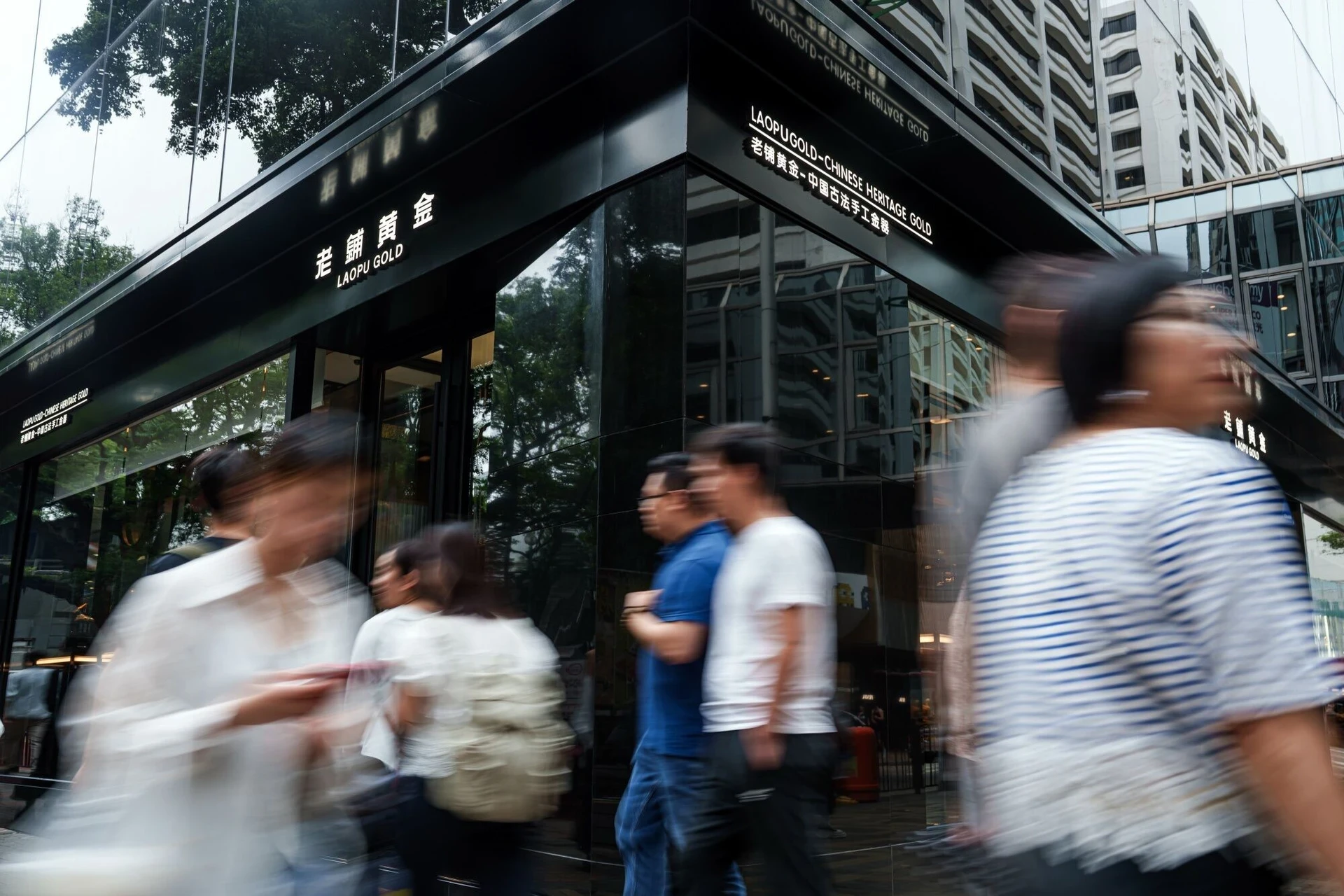
For investors weighing a 100× multiple, the key question is whether this fledgling label can transform niche techniques into a lasting luxury empire—or whether it’s a bubble inflated by gold’s bull run and investor exuberance.
Conclusion
Laopu Gold’s spectacular ascent underscores the potent blend of craftsmanship, branding, and luxury psychology. Yet, beneath its Hermès‑esque narrative lie critical vulnerabilities: narrow distribution, replicable techniques, reliance on rising gold prices, and an outsized valuation.
As markets re-evaluate risk and growth trajectories, only time will tell if Laopu Gold cements its place among elite luxury houses—or if this golden hype fades back to the bullion baseline.