
Trump Signals End to Tariff Pause Markets Brace for Another Shock

Over the weekend, President Donald Trump made it clear in a Fox News interview that he’s unlikely to extend the 90-day pause on new tariffs, which is set to expire on July 9. That means the US may soon resume imposing unilateral import duties on goods from multiple countries.
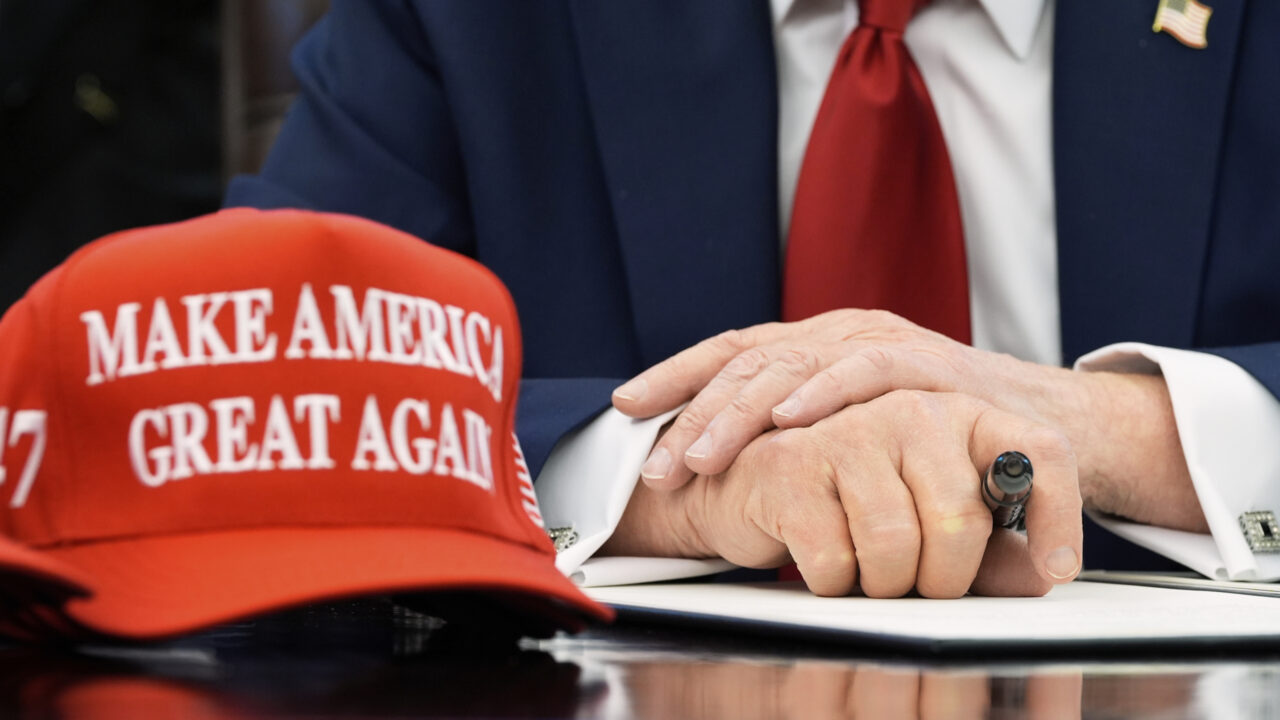
The comment quickly grabbed the market’s attention, reigniting concerns over global supply chains, corporate earnings, and the direction of Federal Reserve policy.
What is the tariff pause and why does it matter
Back in April, the Trump administration announced a 90-day “tariff pause.” In simple terms, the US temporarily held off on raising tariffs on new imports from countries like China, the UK, and India. The goal was to create space for possible bilateral trade talks.
But it was always a pause, not a cancellation. Now that Trump has openly said he doesn’t plan to extend it, that window is about to close. New tariffs could hit soon.
Trump’s new approach is not about negotiation but direct billing
In his interview, Trump laid out a blunt approach. Instead of continuing talks with every country, he’d rather send each a simple message: if you want access to the US market, you’ll pay a fee—maybe 25%, 40%, or even 50% in tariffs.
How he’ll decide the rate? Here’s his criteria:
-
How big is the US trade deficit with that country?
-
Does that country treat the US fairly?
-
Is it considered a “friendly” nation?
This is a shift to what amounts to customized tariffs based on each country’s relationship with the US. “We don’t need more meetings,” Trump said. “We already have all the numbers.”
Why this matters beyond just tariffs
This marks several key changes:
1. Global trade is shifting toward a pay-to-play model
Trump wants the US market to operate more like a gated system, where access comes at a price. It’s a sharp turn away from multilateral trade norms and could reshape global supply chains if it becomes permanent.
2. Markets face rising uncertainty
If tariffs go back up after July, companies that rely heavily on imports—especially in manufacturing and retail—may see profits squeezed. Retaliatory tariffs from other countries could follow, triggering another round of trade tensions.
3. Pressure on the Fed is about to rise
Tariffs tend to raise prices on imported goods, which can push up inflation in the short run. At the same time, business costs rise and investment slows. That makes it harder for the Fed to balance growth and inflation in future policy decisions.
This is more than just about tariffs it is a strategic shift in US economic policy
This move isn’t just about trade. It reflects a broader shift in Trump’s economic strategy.
Trump’s “One Big Beautiful Bill” includes tax cuts, reshoring manufacturing, and infrastructure investment—all aimed at reigniting growth. But these policies rely on a key assumption: that global capital, supply chains, and production will come back to the US.
Tariffs are a central part of that plan. They’re not just about revenue—they’re also a tool to push companies to make in America and a signal that access to the US market now comes with conditions.
After July 9, the US could move from being the world’s open buyer to a selective customer. For other countries, that means reassessing whether the American market is still worth the cost.