
The Stablecoin Divide How Countries Are Choosing Sides in the New Global Money Game

Stablecoins are no longer a fringe financial experiment. They’ve become a real challenge to national governments — and a quiet revolution reshaping how money works across borders.
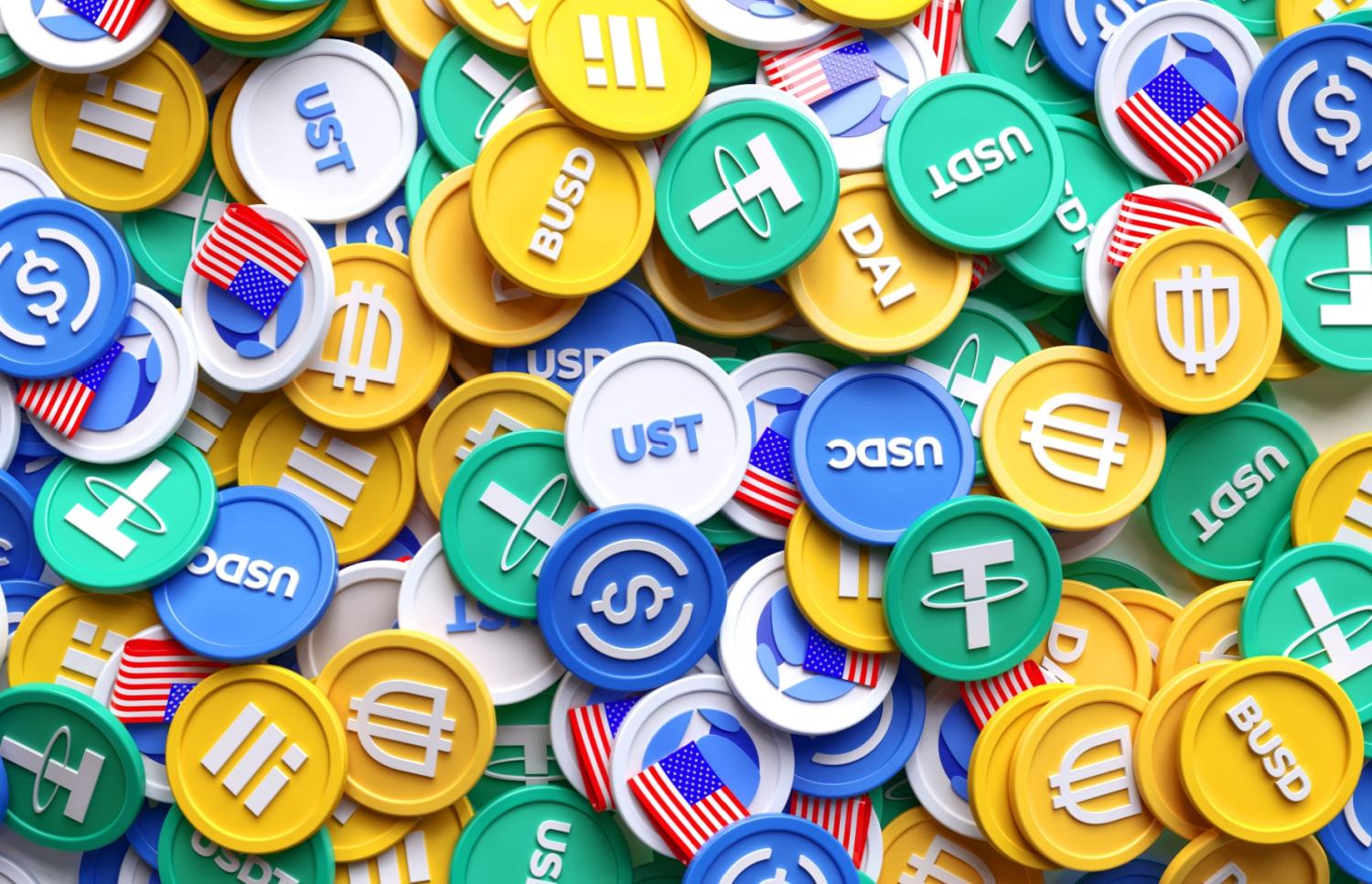
On the surface, a stablecoin is just a digital token pegged to something like the US dollar. But beneath that lies a much bigger question: Who gets to control money in the digital age?
Around the world, governments are taking sharply different approaches. Some are embracing stablecoins. Others are cracking down. Some are cautiously testing the waters. And a few are quietly building their own alternatives.
This isn’t just about technology. It’s about power. And the battle lines are starting to show.
In the US Stablecoins Are a New Tool to Spread the Dollar
In Washington, stablecoins are increasingly seen as a way to upgrade the dollar for the internet era.
From USDT to USDC, US companies dominate the global stablecoin market. Today, more than 80% of all stablecoin transactions are tied to the US dollar. Early on, the Biden administration took a cautious view. But under President Trump, that changed. His administration now openly supports private-sector stablecoin innovation and has ruled out launching a central bank digital currency (CBDC) of its own.
The GENIUS Act, passed in January 2025, made this official:
-
Large stablecoin issuers must back tokens 1-to-1 with cash or short-term US Treasuries
-
Smaller issuers (under $10 billion) can operate under state-level rules
-
There are no capital controls or redemption limits
In short, stablecoins are treated as a tech-powered extension of the dollar — a way to let people around the world use US money without needing a US bank.
It’s financial soft power, delivered one app at a time.
Why Poorer Countries Are the First to Use Them
In rich countries, stablecoins are still seen as speculative or niche. But in emerging markets, they’ve become a lifeline — the last bridge to financial stability for millions of people.
Consider these examples:
-
In Argentina, where inflation exceeds 200% annually, many people convert their salaries into USDT the moment they get paid — otherwise, their money loses value by the week
-
In Nigeria, migrant workers send money home using stablecoins, avoiding traditional remittance fees of 6% or more
-
In Turkey, small businesses and freelancers use stablecoins to bypass strict capital controls and do business internationally
-
In Zimbabwe, some employers now pay wages in stablecoins
In these places, people aren’t waiting for permission. They’re already building a parallel financial system — one that doesn’t depend on their own central banks.
China and Europe Are Taking the Opposite Path
But not every country is willing to hand over control of its monetary system to privately-issued digital dollars.
China has gone all-in on its official digital yuan (e-CNY), tightly controlled by the central bank. The goal is clear: create a digital currency that is “trackable, controllable, and sovereign.” Private stablecoins are viewed as a threat and have been effectively banned from circulation.
Europe is going in a similar direction, but with a more regulatory tone. The EU’s MiCA legislation — the toughest crypto law on record — imposes strict limits on stablecoin issuance and requires full regulatory compliance within the eurozone.
The logic is the same: stablecoins may look like tech, but they’re really about monetary power.
Which government wants to see its people using “tokens issued by US companies” instead of the national currency? This isn’t a tech issue. It’s about state capacity.
My Take Stablecoins Are Becoming the Gray Weapons of a Financial Cold War
The real showdown may not be dollar vs. renminbi, but something more complex:
-
On one side, we’ll have central bank digital currencies (CBDCs), issued and regulated by national governments
-
On the other, stablecoins pegged to fiat but issued by private players — mostly American tech and fintech firms
-
And then there’s the third camp: fully decentralized crypto assets like Bitcoin
Among them, stablecoins are perhaps the most quietly disruptive force.
They avoid the volatility of Bitcoin
They don’t scream “anti-government”
They’re built for payments, savings, and remittances
They’re backed (at least in theory) by real reserves
They have the US government's implicit support
And they can flow into any country without setting up a single branch
Let’s be honest — it’s not just a “product.” It’s as if another country opened a digital bank right on your street, quietly taking deposits in your backyard.
A Final Thought
Stablecoins aren’t the future. They’re already the present. And they’re not just “a new type of money” — they’re a new channel for shifting global financial power.
We may be heading toward a world where two financial systems coexist:
-
One is bank-based, tightly regulated, slow and centralized
-
The other is wallet-based, agile, code-governed, and borderless
We might be underestimating this slow-moving disruption. As a friend from Latin America once told me:
“My bank is in the US. But it’s called Tether.”
The stablecoin era has begun. And the world will not look the same.