
Big Beautiful Bill on the Brink: What Will It Mean for U.S. Stocks?

As the "Big Beautiful Bill" – a sweeping package extending tax cuts, trimming social spending, boosting defense, and lifting the debt ceiling – teeters on the brink of House passage after clearing the Senate, U.S. investors face a complex landscape.

The market's reaction hinges critically on the interplay between stimulative tax extensions and restrictive spending cuts. While the bill offers modest long-term support to corporate earnings and favors sectors like defense and financials, it threatens clean energy and risks triggering near-term equity volatility.
This volatility could stem from a potential liquidity drain when the debt ceiling is raised and loom alongside other summer risks like expiring tariffs and key earnings reports.
Key Points:
- Market reaction hinges on tax extensions versus spending cuts.
- Short-term liquidity drag could weigh on equities when debt ceiling rises.
- Sector winners: defense and financials. Losers: clean energy.
- Watch July 9 tariff cliff and Q3 earnings for fresh volatility.
What’s the “Big Beautiful” Bill, and Why Does It Matter Now?
The Senate’s 51–49 procedural win on June 29 set the stage for final passage before July 4, but it still must clear the House.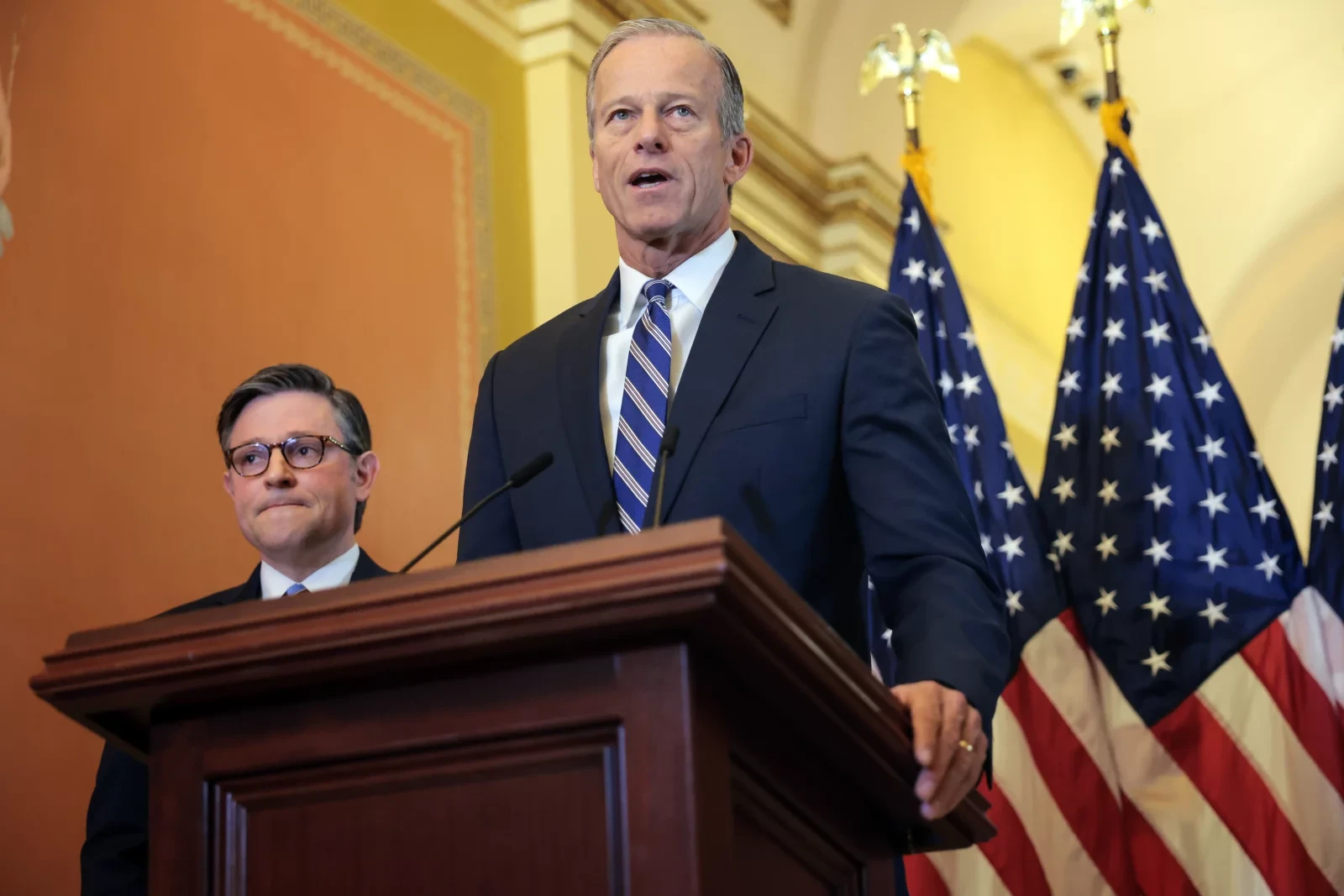
If enacted, this sweeping “Big Beautiful” package would extend individual tax cuts, roll back select green credits, tighten safety-net spending, boost defense outlays, and raise the debt ceiling by $4 trillion.
Its fate over the next week will shape both the fiscal trajectory and equity-market sentiment.
How Will Tax Changes Influence Corporate Profits?
By extending most 2017 personal tax cuts—higher standard deductions, SALT relief, and expanded credits—the bill preserves household purchasing power. It leaves the 21% corporate rate intact but credits new stipends for overtime and tips.
Analysts estimate these changes add $3.8 trillion to the 2025-34 primary deficit, supporting earnings modestly but offering far smaller boosts than the original 2017 law did.
Could Spending Cuts and Defense Payouts Shift Market Leadership?
Cuts to Medicaid, food stamps, student loans, and green energy credits reduce deficits by $1.95 trillion, while defense and border enforcement add $0.48 trillion.
That net deficit reduction—some $1.5 trillion over ten years—arrives slowly: only $440 billion by FY 2028. Investors can expect defense names and financials to rally on increased federal outlays, while clean-tech equities may struggle without EV and renewable credits.
Will the Debt Ceiling Hike Create a Short-Term Liquidity Drain?
Dan Skelly of Morgan Stanley warns that when Congress raises the limit—likely by early August—Treasury will refill its general account, temporarily withdrawing cash from markets.
That “negative liquidity shock” could pressure equities immediately after enactment, even as long-run growth prospects brighten. Traders should brace for choppy sessions around the ceiling vote.
What Other Risks Should Investors Watch This Summer?
With the July 9 tariff reprieve set to expire, headline risk on trade policy could roar back, squeezing profit margins. Q3 earnings—especially from the “Magnificent Seven” tech giants—will reveal whether companies are absorbing or passing on higher import costs.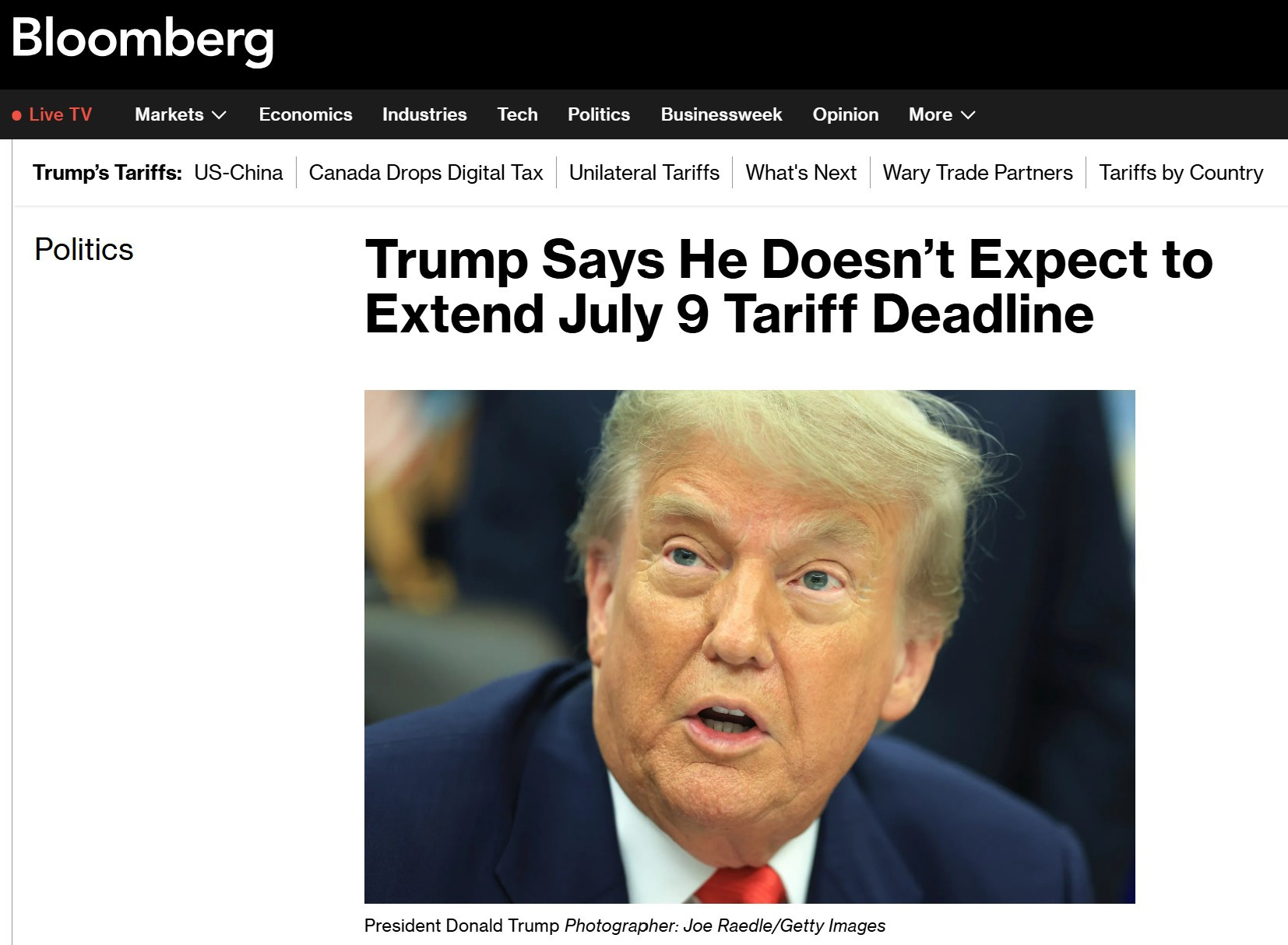
Historically, July is a strong month (average +1.7% for the S&P 500), but renewed trade tensions and liquidity shifts make 2025’s second half anything but a sure thing.The "Big Beautiful Bill" presents U.S. investors with a nuanced and potentially volatile landscape.
Its passage, while removing the near-term specter of a debt ceiling crisis, introduces a complex interplay of stimulative tax measures and contractionary spending cuts. While sectors like defense and financials stand to gain, clean energy faces headwinds.
Crucially, the immediate aftermath of the debt ceiling hike could trigger a liquidity-driven market dip, adding near-term uncertainty. Investors should prepare for potential turbulence around the bill's enactment and remain vigilant on looming summer catalysts, particularly the July 9 tariff deadline and Q3 earnings season.
Navigating this environment requires a focus on sector-specific impacts, liquidity sensitivity, and a readiness to adapt as the policy fog clears and market reactions unfold.