
Trump’s China Visit: A Rare Earth-Driven U.S.-China Game and Global Shift

Social media platforms like X are buzzing with rumors that Trump will lead a delegation of dozens of business tycoons to China.
Why is Trump suddenly visiting China, and what is his agenda?
Trump’s Target: Rare Earths
Reflecting on his recent Middle East trip, Trump employed a “business pressure + political deal” model, bringing over 30 U.S. business leaders to secure nearly $2 trillion in AI and Boeing orders.
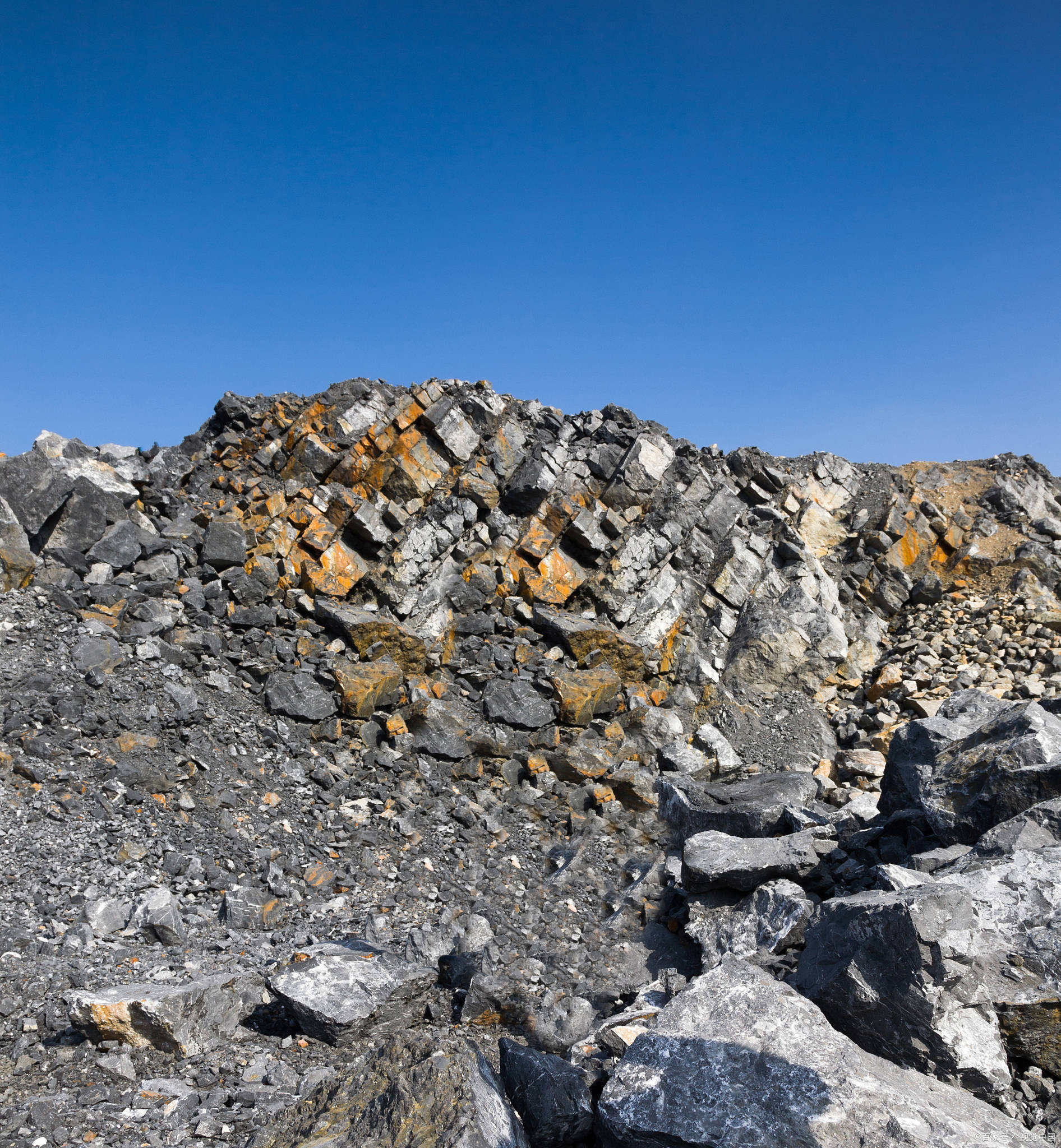
Trump’s primary goal in China now is rare earths.
Earlier last month, Trump ramped up pressure through public statements. As trade talks neared completion, he claimed a “mutual understanding” on rare earth trade between the U.S. and China.
According to Trump, China agreed to streamline rare earth exports to the U.S. in exchange for lifting some trade restrictions. However, China’s response was nuanced.
China stated that teams continued technical-level talks after London meetings to “further confirm framework details.” Notably, China consistently tied rare earth exports to “legal approval,” emphasizing that only applications complying with Chinese laws would be approved.
The Ministry of Commerce stressed “expecting the U.S. to meet halfway,” a seemingly routine phrase with deeper implications. It reflects reciprocity and hints that U.S. commitments to ease restrictions are not fully implemented.
The White House revealed that U.S. officials are planning Trump’s China visit, accompanied by dozens of CEOs, similar to his May Middle East trip.
Political Tensions and Business Leaders’ China Trip
The U.S.-China rare earth deal is essentially an “emergency fix” for U.S. industrial woes.
Each F-35 jet requires over 400 kg of rare earths, and China controls 90% of global refining technology; Ford’s EV factory halted production for 7 days due to a neodymium magnet shortage, impacting its stock; crucially, China’s strict approval for rare earth tech personnel travel blocks U.S. attempts to “learn” the technology.
The deal restores some civilian rare earth exports, but military-grade bans, 6-month license validity, and tech lockdowns keep U.S. industries on edge.
Treasury Secretary Besant proposed a “rebalancing strategy” to rebuild trade through economic cooperation, but Secretary of State Rubio announced new visa restrictions on Chinese students, and the Commerce Department launched semiconductor export reviews.
This “handshake with one hand, punch with the other” approach reveals U.S. internal policy divisions—seeking to ease supply chain crises while clinging to tech dominance.
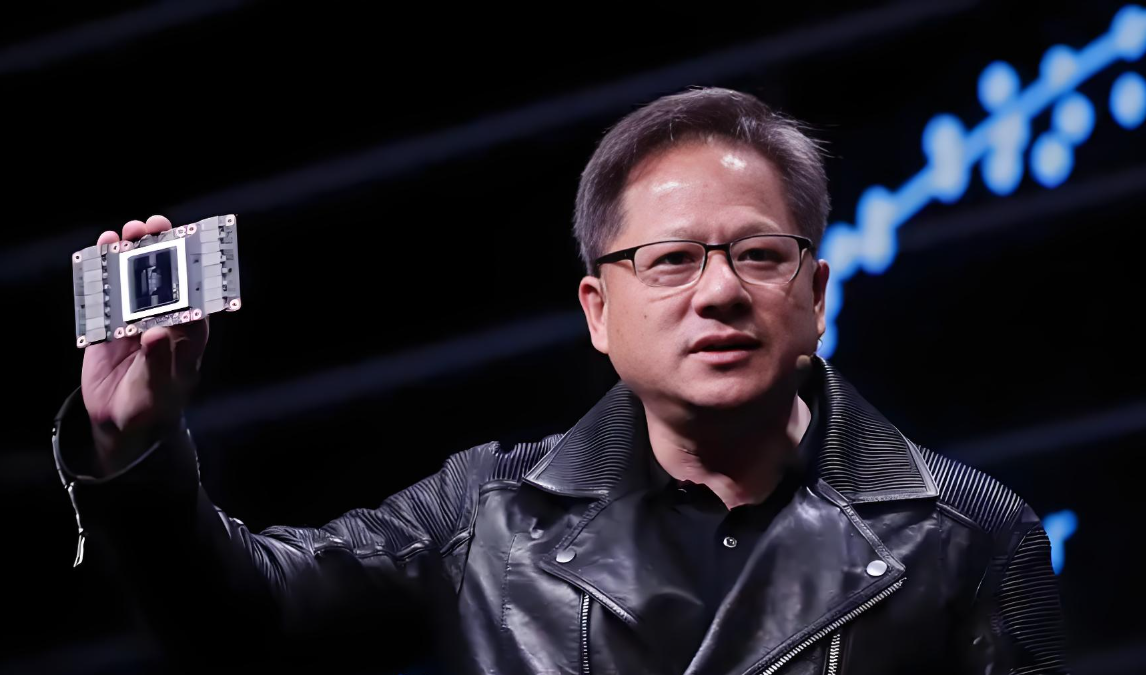
Trump’s China entourage, including Musk and Jensen Huang, highlights U.S. tech industry crises.
Tesla’s Nevada Gigafactory expansion is stalled by rare earth magnet shortages, with China as the top neodymium magnet producer; NVIDIA’s 30% revenue from China is threatened by tighter AI chip export controls, pushing Huang to seek policy relief; Blackstone’s Schwarzman and OpenAI’s Altman rely on China’s market scale. $TSLA $NVDA
These business leaders know that U.S.-China tech decoupling costs will ultimately fall on companies.
A UC study shows Trump’s tariffs cost U.S. households $1,300 annually, and with midterms looming, Trump needs “China cooperation wins” to offset inflation pressures. The CEOs’ “China trip” is both self-preservation and a silent protest against extreme U.S. policies.
The Battle Continues
Trump’s visit may bring short-term relief, but the U.S.-China struggle is just beginning.
The U.S. may push China to buy more Treasuries for tariff exemptions or restart climate talks for tech concessions; China may ease AI chip restrictions with “castrated performance” conditions.
The core conflict lies in U.S. fears of China’s Industrial 4.0 overtake and China’s aim to break Western tech rule systems.
This struggle’s outcome will shape the 21st-century global order. Trump’s visit is a “stress test” for U.S.-China ties and a microcosm of global restructuring.
When rare earths become strategic weapons, when CEOs crave dialogue more than politicians, and when allies question “America First,” this game transcends bilateral scope.
In 2025, U.S.-China relations may avoid “new Cold War” tensions but are filled with complex calculations and compromises. The ultimate winners will be those who master technological revolutions, reshape resource rules, and win hearts.