
Circle Wants to Be a Bank and That Changes Everything for Stablecoins

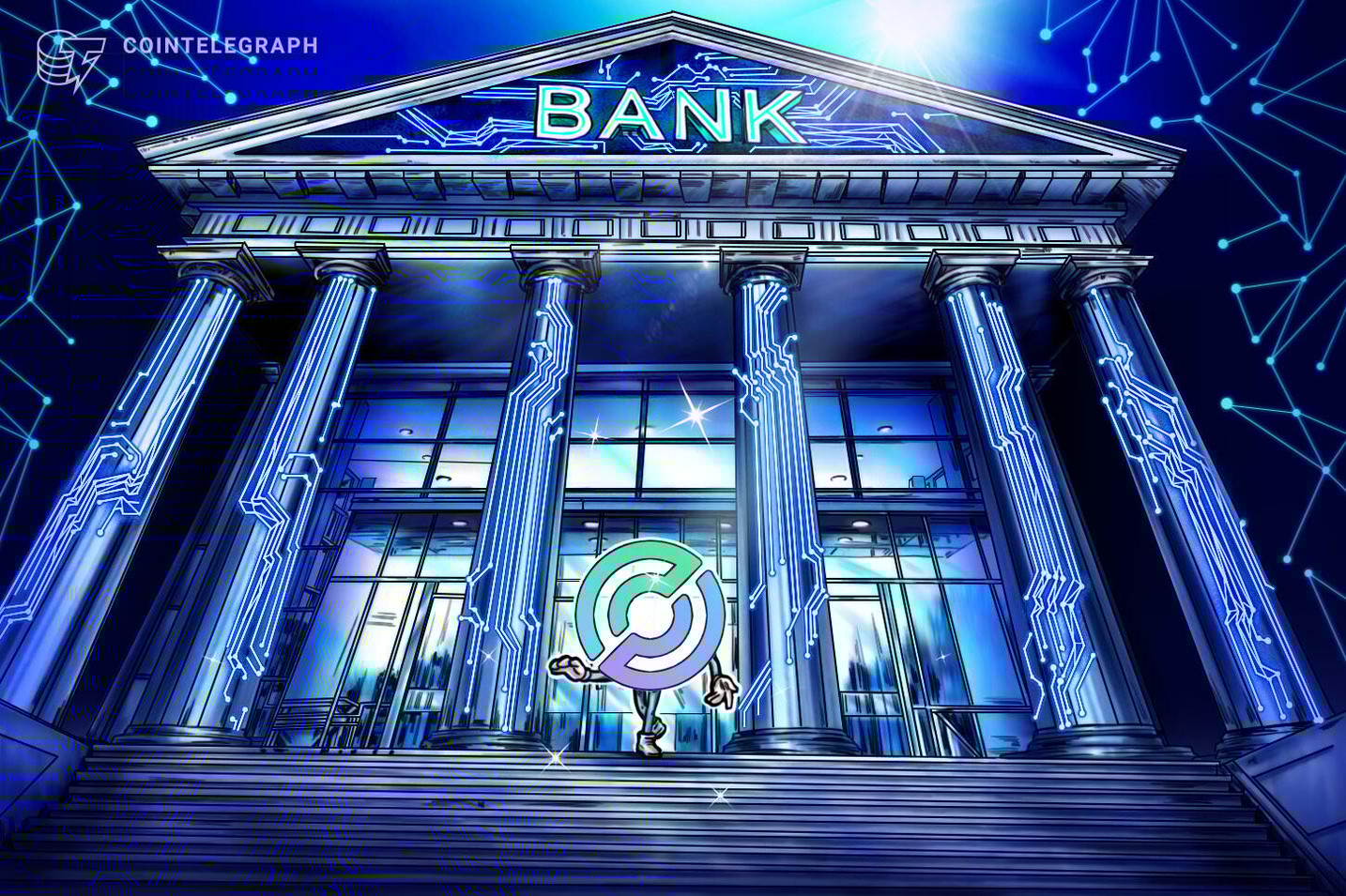
Circle $CRCL , the company behind the USDC stablecoin, is applying to open a bank. But not just any bank—a national trust bank regulated by the U.S. Office of the Comptroller of the Currency (OCC). If approved, this would give Circle new powers that could reshape how stablecoins operate inside the mainstream financial system.
This move comes right after Circle’s blockbuster IPO, which valued the company at nearly $18 billion. It’s a clear sign that stablecoins aren’t just crypto’s “side project” anymore—they’re becoming core financial infrastructure.
What Is a National Trust Bank and Why Does Circle Want One?
Let’s get this straight: this isn’t a regular commercial bank. Circle’s proposed bank—called First National Digital Currency Bank, N.A.—won’t be taking deposits or issuing loans. Instead, this charter would allow Circle to:
-
Directly manage the reserves backing USDC
-
Provide custody services for institutional clients
-
Interface with traditional finance using a federally regulated structure
Currently, Circle’s reserves are held at BNY Mellon and managed by BlackRock, mostly in the form of short-term Treasury bills and cash. But Circle wants more control. Becoming a national trust bank would allow it to handle these assets in-house—while giving major institutions confidence that they're working with a regulated, trusted entity.
And Circle’s not alone. Anchorage Digital is the only other crypto company with this kind of charter. If approved, Circle would be the second—putting it in a rarefied category.
The Bigger Picture Circle Is Preparing For
So why now?
Two major reasons: regulation and momentum.
First, Congress is on the verge of passing the first real federal framework for stablecoins. The bill would:
-
Require stablecoins to be fully backed by liquid assets
-
Mandate monthly disclosures of reserves
-
Limit issuance to licensed, regulated entities
President Trump is expected to sign the bill into law. Once that happens, only companies with serious regulatory standing—like national trust charters—will be allowed to keep playing. Circle is clearly trying to get ahead of the curve.
Second, Circle just went public. Its stock has doubled since the IPO, and major Wall Street firms are already covering it. Barclays, Bernstein, and others have issued bullish ratings, although JPMorgan and Goldman Sachs are more cautious, warning that valuation may be running ahead of fundamentals.
Circle knows this is a make-or-break moment. As CEO Jeremy Allaire put it: “We’re moving from early adopters to the mainstream.”
Circle Is Not Just Building a Company It’s Building a Financial Layer
The real play here isn’t about custody licenses or compliance. It’s about building the next layer of the global financial system—one that doesn’t rely on old-school banking rails.
USDC isn’t trying to be bitcoin. It’s not volatile, speculative, or hard to understand. It’s just a dollar on the internet. And that makes it incredibly powerful.
In emerging markets, people use stablecoins to escape inflation. In cross-border payments, they cut costs dramatically. In capital markets, they could enable real-time settlement of tokenized assets.
In short, USDC and its peers are becoming the “dollar for the digital age.” And Circle, with its banking ambitions, wants to be the infrastructure provider behind that dollar.
This isn’t about disrupting the system. It’s about quietly rebuilding it—with stablecoins at the center.
Final Thoughts
Circle applying for a trust bank charter isn’t a crypto story. It’s a story about how the line between crypto and traditional finance is vanishing.
If approved, Circle would no longer just be a tech company—it would be a federally regulated institution helping define what digital finance looks like in the next decade.
At its core, this is about one simple question: Who gets to issue money in the future?
The answer used to be just central banks. Now? It might also include companies like Circle.
And this time, the dollar isn’t just in your wallet—it’s in your app, on-chain, and backed by a brand-new kind of bank.