
Tariffs and Timing: Could July Bring the Fed’s First Cut?

As financial markets grow increasingly confident in an early rate reduction, Federal Reserve Chair Jerome Powell maintains a cautious “wait-and-see” stance.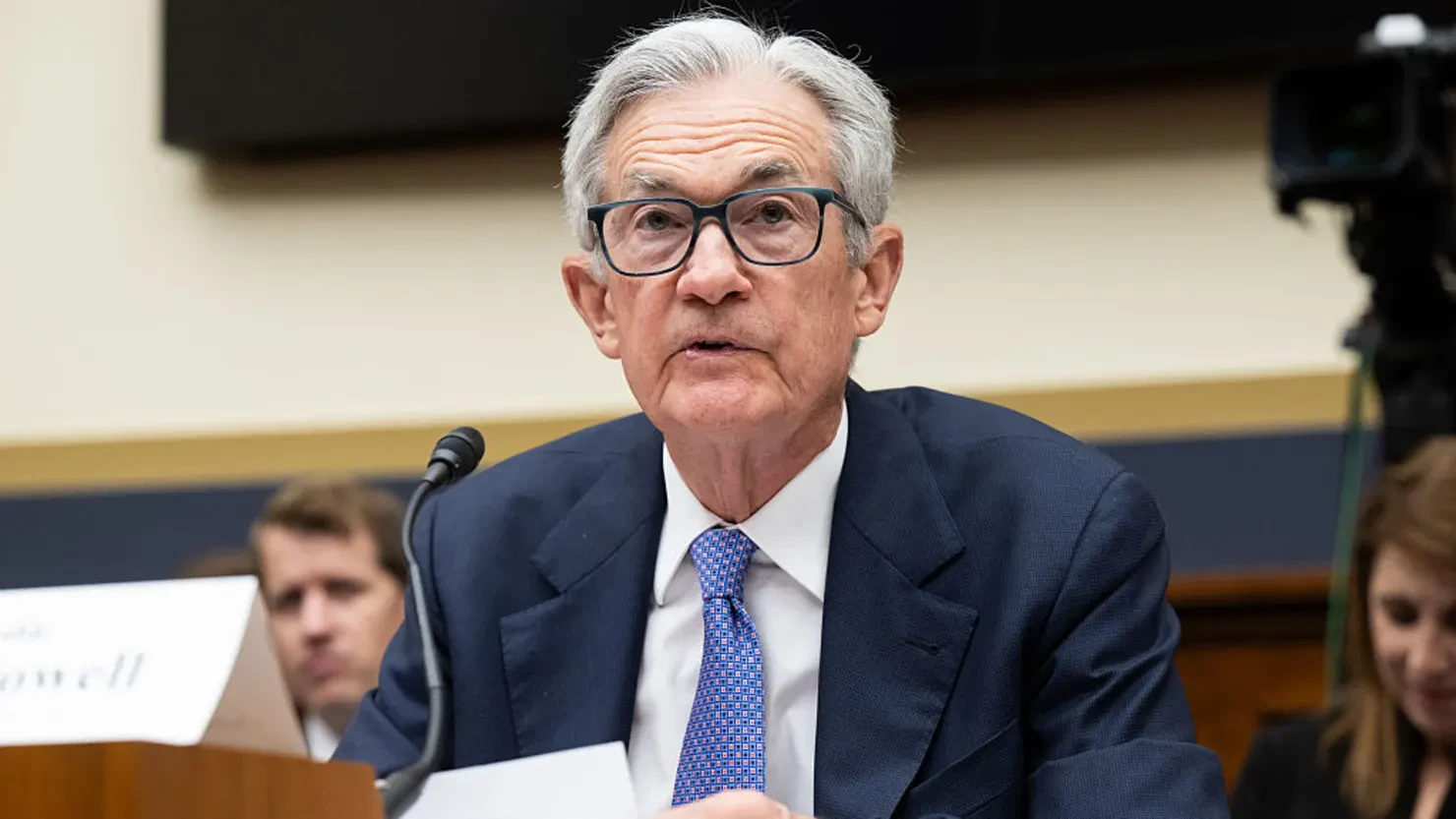
Despite a roughly 25% probability priced into short-term futures for a July cut, Powell insists on additional data to assess the inflationary impact of recent tariff hikes and any signs of labor‑market softening.
With core inflation lingering at 2.7% and job openings near multi‑year highs, the Fed’s next move hangs in the balance.
Key Points:
- No Pre‑Commitment on Timing: Powell refuses to promise a rate cut date, emphasizing that “we just need time” to gauge tariff‑driven price pressures and economic resilience.
- Rising Market Odds: June’s trading saw the odds of a July rate cut climb from under 20% to approximately 25% on futures markets.
- Inflation Above Target: Core CPI, stripping out food and energy, stands at 2.7%—above the Fed’s 2% target and likely influenced by summer tariff pass‑
- Labor Market Strength: May JOLTs openings surged to 7.77 million, marking the highest level since November 2023 and signaling continued tightness.
- Internal Fed Divide: Dot‑plot forecasts reveal ten policymakers expecting two cuts this year, while seven anticipate none, and two foresee only one—underscoring deep disagreement.
- Political and Fiscal Pressure: Treasury Secretary Yellen warns the Fed “may be waiting too long,” even as Congress advances a major tax package and trade deals near finalization.
Market Signals: Are Bets on July Too Early?
Markets have ramped up their rate‑cut expectations, driven by softer April and May inflation readings. Futures prices now assign roughly one‑in‑four odds to a cut in July, up from less than one‑in‑five a fortnight ago.
Traders are reacting to Powell’s comments in Portugal, where he refused to rule out any meeting for easing, yet declined to forecast policy shifts until tariff impacts are clearer.
This dynamic creates a precarious balancing act: fading inflation could embolden rate‑cut bets, while stubborn price pressures might unravel early‑cut assumptions.
Fed Deliberation: Balancing Data and Risks
Powell has underscored that the Fed’s decision hinges on forthcoming data, particularly the July 15 CPI report and any unexpected deterioration in employment indicators.
In congressional testimony, he suggested officials might wait until September to fully assess tariff‑driven inflation spikes.
Some Fed members view the tariff effect as transitory—justifying an early cut—while others foresee sustained pressures given businesses’ newfound pricing power post‑recent high‑inflation years.
With the U.S. economy still growing and unemployment low, the Fed faces a classic policy dilemma: act preemptively or risk becoming reactive.
Political Pressure: Will Criticism Sway Policy?
President Trump and his advisors have publicly lambasted Powell for perceived partisanship, urging rate cuts of up to three percentage points.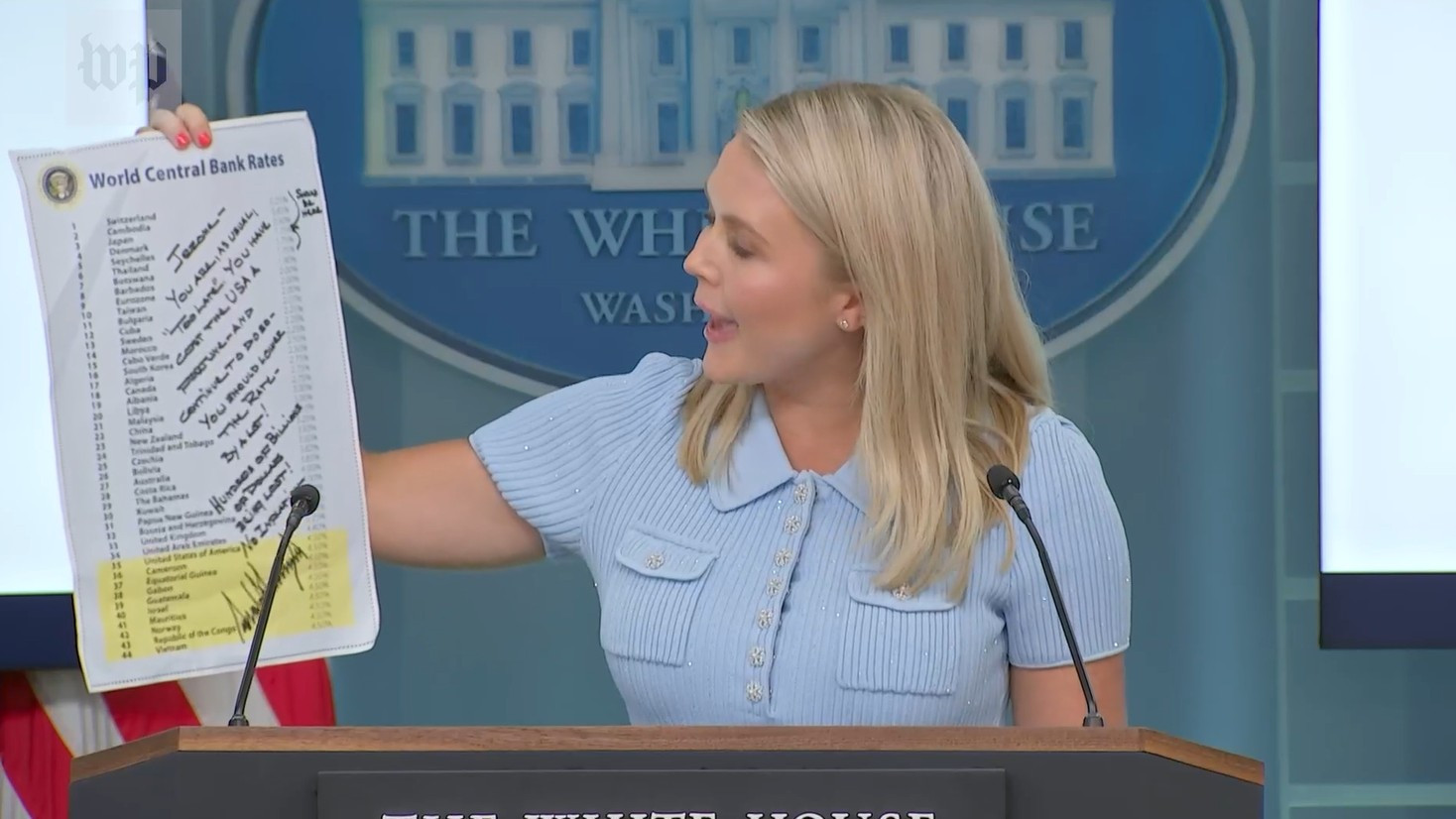
Powell rebuffs these claims, insisting his sole focus is on meeting the Fed’s dual mandate of price stability and maximum employment.
Meanwhile, Treasury Secretary Yellen cautions the Fed may have delayed easing too long, pointing to near‑term risks from fiscal tightening and lingering trade uncertainties.
As Congress nears passage of the “Big Beautiful Bill” tax package, fiscal policy may muddy the waters for monetary timing.
Policy Divisions: Hawks vs. Doves
- Doves (10 policymakers): Forecast at least two rate cuts this year.
- Neutral (2 policymakers): See only one cut by year‑
- Hawks (7 policymakers): Anticipate no reductions in 2025.
This dispersion reflects fundamental disagreement over whether tariff‑induced price increases will prove fleeting or persistent.
Hawks fear a resurgence of inflation trends, while doves argue that slowing growth and profit compression warrant swift relief.
Powell’s stance seeks to bridge these extremes by tethering decisions to evolving data rather than preset expectations.
Treasury’s Viewpoint: Is the Fed Waiting Too Long?
Treasury Secretary Yellen stressed that near‑completion trade agreements with India and others should help alleviate tariff pressures, potentially easing inflation later this summer.
She also warned that the Fed’s hesitation might risk hampering broader economic momentum. With the Senate poised to pass sweeping tax legislation, projected deficits could limit Congress’s ability to offset monetary tightening.
Against this backdrop, the interplay between fiscal and monetary policy will be crucial: an overly delayed cut may undercut growth, while premature easing risks reigniting price pressures.
Background and Outlook
Throughout his remarks at the ECB forum in Sintra, Powell emphasized patience, noting that U.S. economic strength affords the Fed discretion to observe tariff impacts on both prices and growth.
The continued rise in core inflation—2.7% as of May—and record‑high job openings underscore the complex trade‑off between acting too soon and waiting too long.
Looking ahead, investors will focus on the July 15 CPI print, August labor reports, and any fresh tariff announcements.
Should data veer unexpectedly, the Fed’s measured approach could pivot swiftly. For now, markets remain on edge, weighing a delicate balance between inflation containment and growth support.