
Trump Promised Trade Would Be Easy but Japan Is Showing Him Otherwise

Back when Trump said cutting trade deals would be simple—just a matter of sending letters and raising tariffs—it sounded bold, even refreshing. But now, Japan is proving that in the real world, things are a lot messier.
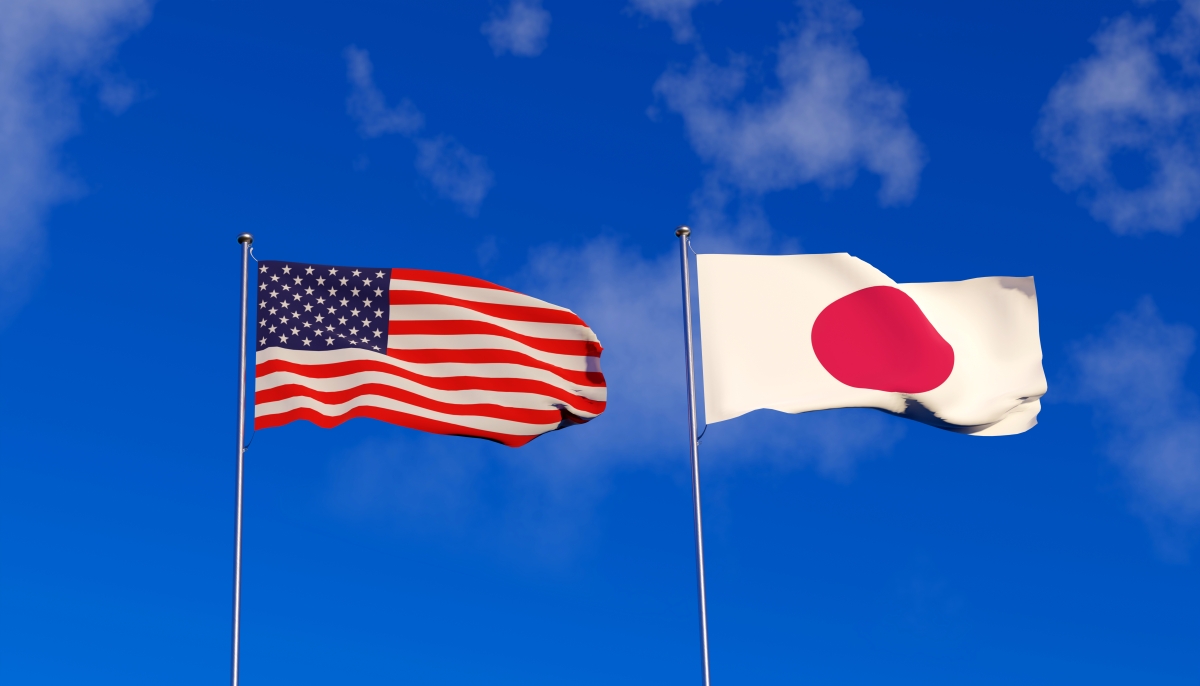
After weeks of back-and-forth with no breakthrough, the talks between the U.S. and Japan have hit a wall. With just days left on Trump’s 90-day tariff pause, pressure is rising—but Japan isn’t budging. What started as a disagreement over cars and rice has now turned into a much deeper standoff between two fundamentally different approaches to global trade.
What Trump’s “Reciprocal Tariffs” Actually Mean
Trump’s trade strategy centers on one idea: fairness. If a country charges higher tariffs on American goods than the U.S. charges on theirs, he wants to match or exceed those rates. He calls them “reciprocal tariffs,” and to enforce them, he’s been willing to impose tariffs unilaterally—even if that means clashing with allies or sidestepping the rules of the World Trade Organization (WTO).
In April, Trump gave trading partners 90 days to come to the table and strike new deals—or face a fresh round of tariffs. Japan is one of the highest-stakes negotiations in this countdown.
Japan Refuses to Play the Game
From the beginning, Japan made one thing clear: it would not agree to any deal that keeps Trump’s 25 percent tariff on Japanese cars.
For Japan, this isn’t just a trade issue—it’s political. The auto industry is a national pillar, and any concession could cost the ruling government dearly ahead of a critical election on July 20. Tokyo has also insisted that the deal must address all tariffs, not just the “reciprocal” ones. That includes U.S. duties on steel, semiconductors, and other sensitive sectors.
In response, U.S. negotiators warned Japan that more pressure could be coming—possibly even a cap on how many cars Japan can export to the U.S., a tactic known as a “voluntary export restraint” that hasn’t been used since the 1980s.
Trump’s Style Leaves Other Countries Guessing
As talks stalled, Trump returned to his signature tactic: public threats. On Truth Social, he accused Japan of refusing to buy American rice—even though Japan imports hundreds of thousands of tons of it annually under WTO rules. Then, in a Fox interview, he floated the idea of sending Japan a letter telling them they’ll face a 25% auto tariff if they don’t comply.
That kind of unpredictability has left many countries confused. The administration’s trade team sometimes gives mixed messages. One day they say deadlines might be extended, the next day Trump says he’s not even thinking about an extension.
Even the goals of these negotiations seem to shift. Are they about reducing the trade deficit? Helping American farmers? Getting better deals for steel and autos? It’s hard to say—and that’s exactly why it’s so difficult for partners like Japan to sign on.
Other Countries Have Politics Too
There’s another reason talks are stalling that’s often overlooked: other countries have their own politics.
Japan’s Prime Minister, Shigeru Ishiba, leads a fragile government facing a tough election. If he caves to U.S. demands—especially on protecting Japan’s domestic rice industry—he could face a massive backlash at home. That’s why his team has made repeated visits to Washington, trying to find common ground without appearing weak.
So far, it hasn’t worked. Even a face-to-face meeting between Ishiba and Trump at the recent G7 summit ended without progress.
Why Trump’s Tough-Guy Playbook Isn’t Working Anymore
Trump’s negotiating style is based on pressure: create a crisis, then force the other side to blink. It worked to some extent during his first term—China, for example, eventually signed a Phase One deal after a bruising tariff war.
But this time, it’s not landing the same way. Here’s why:
-
The rules keep changing, so countries don’t trust the process.
-
Tariffs are imposed without warning, making the U.S. seem unreliable.
-
America’s “deal or else” tone is pushing some nations to dig in, not give in.
-
And critically, many countries now coordinate with each other, creating resistance to Trump’s divide-and-conquer strategy.
My Take on What This Means
What we’re seeing isn’t just a tough negotiation. It’s a clash of worldviews.
Trump sees trade as a zero-sum game: you win, I lose. That’s why his team keeps threatening more tariffs, pushing other countries to the edge. But Japan—and many others—see trade as a delicate balance of politics, economics, and relationships. The more you bully, the harder it becomes to sign any deal that survives domestic scrutiny.
As the clock ticks toward the end of the 90-day pause, the risk of tariffs snapping back into place grows. That could shake markets, frustrate allies, and make future deals even harder.
Trump promised that trade would be easy. But Japan is showing that it’s anything but. With political landmines on both sides and no clear roadmap, the chance of a quick win is fading fast.
And the question now isn’t just whether Trump will strike a deal—but whether his entire approach to trade is pushing partners away instead of pulling them in.