
All Eyes on Friday as Nonfarm Payrolls Take the Spotlight

The most closely watched economic data in the US is about to land, and markets are holding their breath.
The June nonfarm payrolls report is due Friday, and it could offer fresh clues about whether the US economy is still on track for a soft landing—or starting to slow more sharply.

Ahead of that, we just got a surprise from another jobs report: the JOLTS survey showed job openings unexpectedly rising to 7.77 million in May, well above Wall Street’s forecast of 7.3 million. At first glance, that sounds like a strong signal that the labor market is still hot. But in the bigger picture, the focus now is squarely on whether Friday’s nonfarm payrolls report shows signs of cooling.
Quick explainer what is the nonfarm payroll report and why it matters
The “nonfarm payrolls” figure tracks how many jobs were added (or lost) across the US economy—excluding farm workers, military personnel, and some government roles.
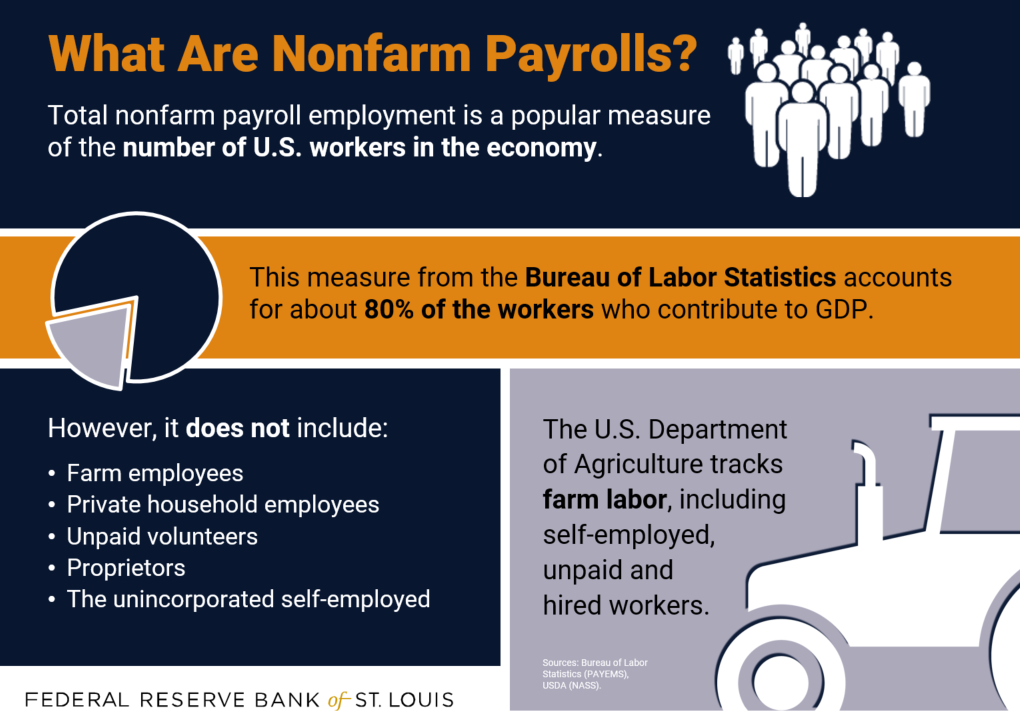
Why is it so important? Because jobs drive everything: when people are employed, they spend more, which supports growth. And when hiring slows, it can signal that businesses are bracing for weaker demand.
That’s why the Federal Reserve and investors both watch this number so closely. It helps shape expectations for interest rates, inflation, and overall market direction.
What the market expects this time
Forecasts for the June report are all over the place:
-
The consensus estimate is for 120,000 new jobs, down from 139,000 in May.
-
Goldman Sachs is more cautious, projecting just 85,000, citing weaker hiring signals from real-time data.
-
UBS says hiring is likely to slow but not enough to push the Fed toward cutting rates just yet.
This wide range of predictions reflects a deeper uncertainty: Is the US labor market losing steam, or still hanging tough?
My take a slow but steady cooldown is underway
Despite the hot JOLTS number, I believe the June nonfarm report will likely show a modest slowdown, for a few reasons:
-
Job ads and hiring activity are trending lower based on high-frequency data.
-
The end of several strikes will boost payrolls, but only temporarily.
-
Layoffs are falling, which suggests employers are holding on to staff—but they’re also not aggressively hiring.
In other words, the labor market is cooling slowly, not crashing. That’s exactly the kind of shift the Fed wants to see to keep inflation in check without tipping the economy into recession.
What happens if the jobs number comes in weak
Let’s say Friday’s report shows fewer than 100,000 new jobs—something closer to Goldman’s 85,000 call. If that happens, markets would likely jump to the conclusion that a rate cut in September is back on the table.
Here’s how markets might react:
-
Treasury yields fall, as traders bet on lower interest rates ahead.
-
Tech stocks rally, since they’re especially sensitive to rate expectations.
-
The dollar dips, while gold and Bitcoin might get a short-term boost.
But there's a catch: this reaction only holds if wages don’t drop too sharply. If wage growth slows dramatically, recession fears could creep in fast.
What if the jobs number surprises to the upside
If the report shows strong hiring—say 150,000 or more—it could derail hopes for a rate cut anytime soon.
In that case:
-
Bond yields would spike, as the market prices in higher-for-longer interest rates.
-
Stock markets may wobble, especially rate-sensitive sectors like real estate or tech.
-
The Fed would likely stay on pause through fall, waiting for more signs of cooling.
This would reinforce the view that the labor market is still too resilient for the Fed to pivot.
Bottom line the labor market is easing but still solid
Right now, we’re in a kind of “goldilocks” moment:
-
Job openings are high, but mostly in services.
-
Layoffs are dropping, but companies are more selective with hiring.
-
People are still switching jobs, but not as frequently.
This all points to a gradual, healthy slowdown, which is exactly what the Fed wants.
But this nonfarm payrolls report could tip the balance. It might confirm that a soft landing is still in play—or suggest that the job market is losing momentum faster than expected.
Either way, we’ll know more this Friday. And so will the Fed.