
Fed’s New Power Duo: Will Anna Paulson’s Arrival and Soaring Soft Data Trigger a Rate Cut?

In a decisive shake-up, the Federal Reserve has unveiled Anna Paulson as the 12th president and CEO of the Philadelphia Fed, immediately granting her a seat at the Federal Open Market Committee (FOMC) table.
Simultaneously, prominent macro strategist Simon White argues that U.S. “soft data” pressures have already hit historical thresholds that typically prompt Fed easing-signaling that the long‑awaited rate cut could be closer than investors realize.
Key Takeaways
- Anna Paulson begins voting on FOMC policy later this month and will cast votes in eight 2026 meetings, influencing the path of U.S. interest rates.
- With over 20 years’ experience, Paulson brings deep expertise in financial-stability analysis, insurance markets and regional economic research.
- “Soft data”-surveys and confidence indexes-are now under greater strain than at any pre‑easing point in Fed history.
- Historically, more than half of soft-data indicators in “pressured” territory have preceded Fed rate cuts or pauses.
- Watch near-term labor-market signals (WARN notices, unemployment claims, nonfarm payrolls) and housing metrics (new-home sales, permits) for clues on recession risks.
- A swift, sizable Fed move could reverse soft-data weakness before hard-data deterioration sets in.
What Does Anna Paulson’s Appointment Mean?
Anna Paulson officially took the helm of the Philadelphia Fed on July 1, becoming its 12th president and chief executive.
Beyond supervising bank regulation in the region, Paulson now joins seven Fed governors and eleven other regional Fed presidents on the FOMC, the body charged with setting monetary policy. Her first FOMC attendance is scheduled for later this month in Washington.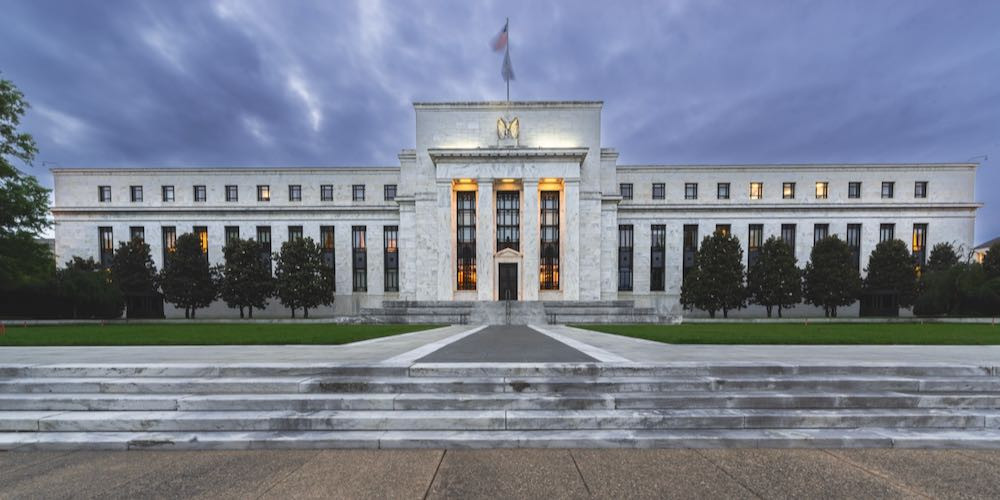
As a voting member in eight regular FOMC meetings throughout 2026, Paulson’s policy views will directly weigh on interest-rate decisions.
Given lingering debates among Fed officials-some urging accommodation, others favoring patience-her tilt could prove pivotal in the balance between holding rates steady or pivoting to cuts.
Who Is Anna Paulson?
Paulson boasts more than two decades of leadership in financial-stability and monetary-policy research.
She rose through the ranks at the Chicago Fed, serving as executive vice president and director of research, while also advising the Chicago Fed president on strategy.
Her portfolio included oversight of public affairs and community development, as well as leadership at the Detroit branch.
Under her watch, research teams provided analysis on banking, financial markets, macro and microeconomics, and regional economic trends-laying groundwork for policy deliberations at the highest levels.
What’s Behind the Soft-vs. Hard-Data Debate?
Economists distinguish “hard data” (quantifiable metrics like GDP growth, unemployment rates, retail sales) from “soft data” (survey‑l-based gauges of confidence and sentiment).
Hard data offer objective snapshots of current conditions, while soft data capture expectations and can foreshadow turning points.
Simon White highlights that soft‑data weakness typically emerges first. If left unchecked, it can trigger negative wealth effects-stock declines erode consumer spending, which then undermines hard indicators, creating a feedback loop that often ends in recession.
What Happens When Soft Data Hit Historic Thresholds?
White has aggregated dozens of soft and hard indicators, defining “pressured” levels that historically precede Fed easing.
Today, over half of soft measures exceed those thresholds, even as hard data remain broadly stable.
Past cycles show that once soft data breach their limits, Fed cuts or pauses nearly always follow-often before any visible slump in hard metrics.
Despite recent rallies in equities and credit, their gains aren’t enough to offset the underlying soft-data downtrend.
Moreover, key components-such as ISM new orders and consumer-expectations subindexes-have driven much of the pressure, suggesting that sentiment has soured markedly since earlier this year.
Will the Fed Break Its “Don’t Cut Yet” Stance?
Fed Chair Jerome Powell has emphasized patience, citing the need for more evidence that inflation is sustainably returning to target.
Yet with soft data flashing red, the case for preemptive easing grows stronger. Should soft-data pressures persist-or worsen-the Fed may find it difficult to resist cutting rates, especially if hard metrics begin to follow suit.
Simultaneously, Treasury Secretary Janet Yellen has signaled openness to short-term fiscal measures, such as higher-frequency Treasury bills, that could inject liquidity without full-blown quantitative easing.
Such coordination could complement Fed loosening if inflation allows.
What Comes Next for Markets?
Investment‑grade assets will watch two warning signs closely. First, initial jobless claims and nonfarm payrolls—due on Thursday—will reveal if labor‑market resilience is eroding.
Rising WARN notices signal employers preparing mass layoffs, a traditional harbinger of downturns.
Second, the housing sector’s health will be under scrutiny. U.S. new‑home sales have contracted, prices have slipped month‑over‑month, and six‑month rolling building permits for both single‑family and multiunit projects are down. Further weakness here could tip hard data into recession territory.
Ultimately, markets will price Fed moves based not on President Trump’s rhetoric, but on these objective metrics. If soft data persistently underperform, expectations for rate cuts—even as soon as later this year—may become the new consensus.