
Can Tesla Keep Its Recovery Rolling? Early Wins Hint at Promise, but Challenges Loom

In a quarter of mixed signals, $TSLA stunned markets with a bigger-than-feared delivery beat, yet lingering demand woes and regional disparities temper the excitement.
Q2 global deliveries of 384,122 vehicles topped the pessimistic 350-360 K whispers but fell short of consensus 389,407.
Meanwhile, Elon Musk’s hands-on push in the U.S. and Europe and a modest rebound in China signal both urgency and risk.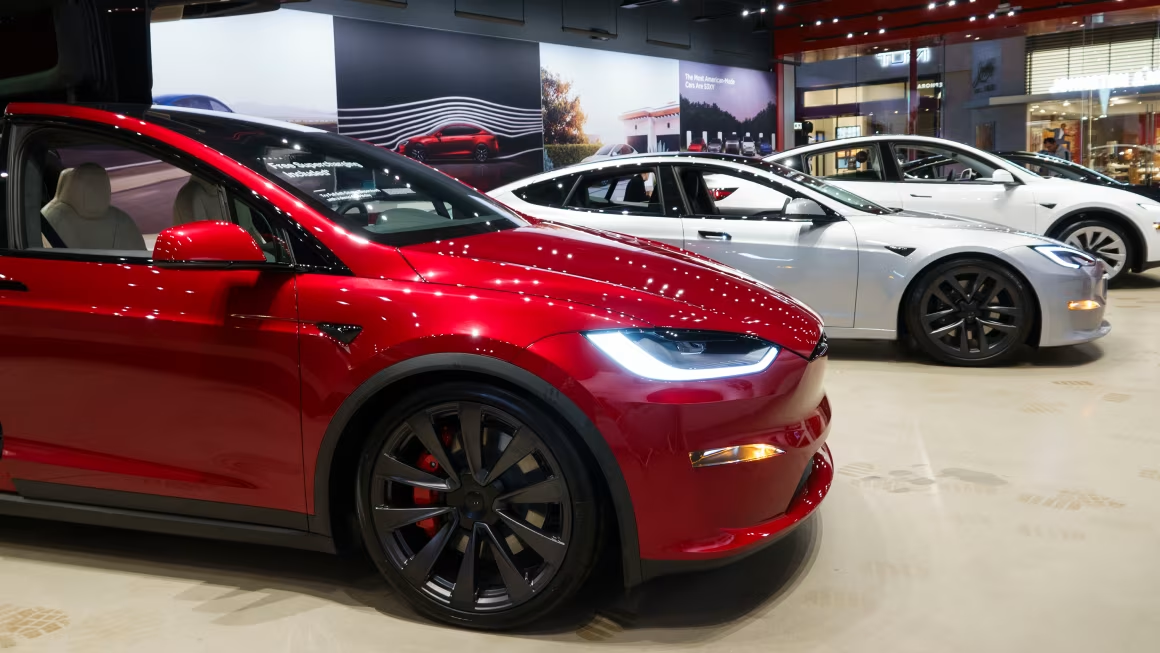
Key Takeaways
Global Deliveries: 384,122 cars in Q2, down 13% YoY, but above the 350–360 K bearish rumors and just shy of the 389,407 consensus.
Production vs. Delivery: Produced 410,244 vehicles versus a 400,083 forecast; a 26,122-unit buffer amid logistical headwinds.
Model Breakdown: Model 3/Y output of 396,835 and deliveries of 373,728 fell short of their respective forecasts of 383,567 and 377,295.
High-end Models Lag: Model S, X, and Cybertruck combined delivered only 10,394 units (vs. 14,644 expected) on 13,409 produced (vs. 13,616 forecast).
China Rebound: Shanghai plant delivered 71,599 cars in June (+0.8% YoY), ending eight months of declines—but still dwarfed by BYD’s 377,628.
European Roller-Coaster: Norway and Spain saw Model Y sales surge 115% and 127%, respectively, yet most Western European markets plunged by 60% or more.
Executive Shakeup: Musk now directly oversees U.S. and European sales; Tom Zhu handles Asia sales and global manufacturing.
Competitive Pressure: Aggressive discounts on Model 3/Y and 0% financing have buttressed sales, but long-term demand remains unproven.
What Explains the Q2 Surprise?
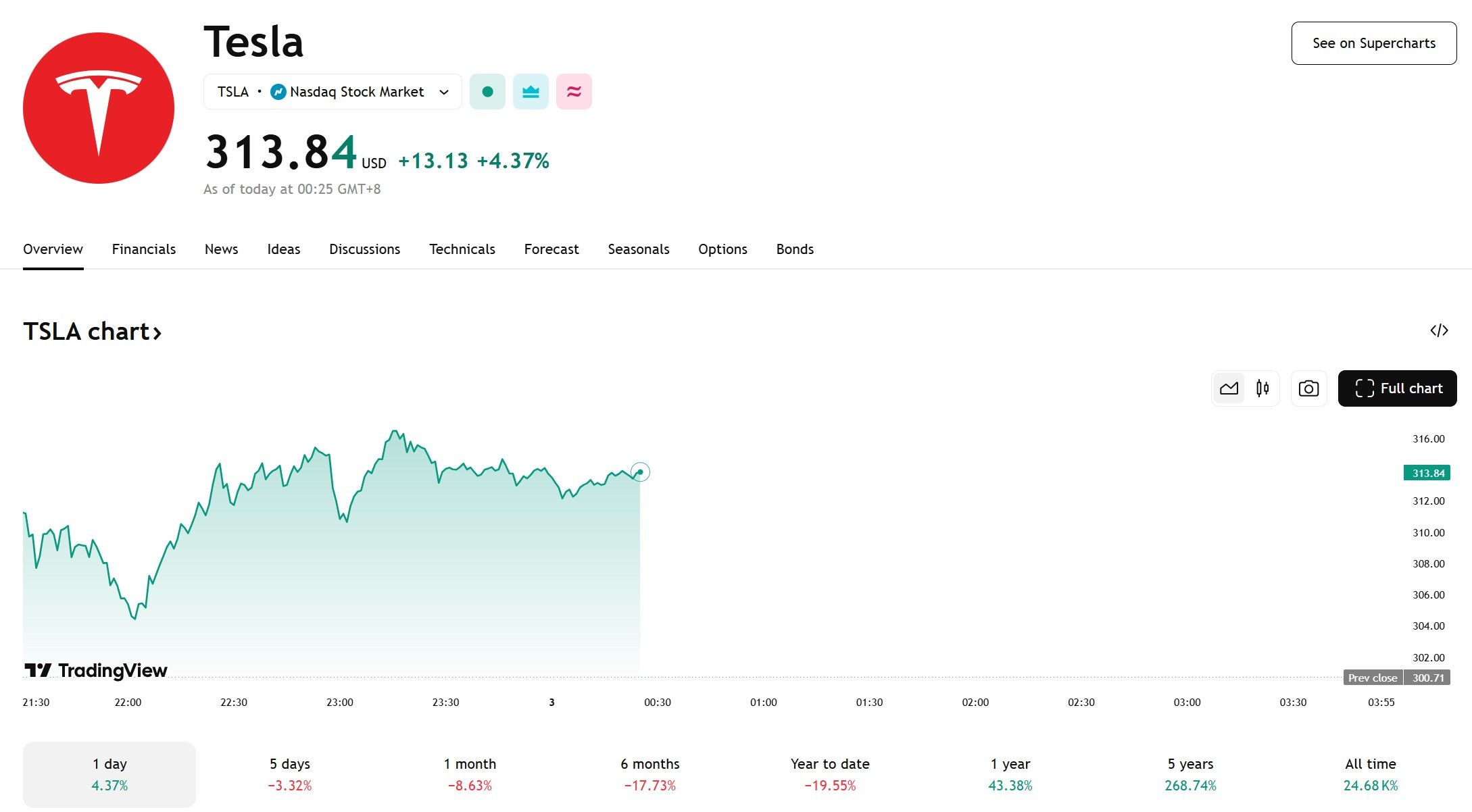
$TSLA ’s 384,122 deliveries exceeded the bleak 350–360 K rumors, sparking a 5% intraday stock jump. Analysts had feared a deeper slump after persistent weekly delivery leaks, so the company’s beat was welcome—if not unequivocal.
At the same time, the miss versus the 389,407 consensus underscores ongoing demand headwinds.
With production at 410,244 units—10,161 above forecasts—$TSLA demonstrated that manufacturing bottlenecks aren’t the primary issue. Instead, it’s convincing consumers to pull the trigger amid an increasingly crowded EV landscape.
How Did Regional Trends Diverge?
China’s Glimmer of Hope
In June, Shanghai’s output-plus-exports reached 71,599 vehicles, a modest 0.8% year-over-year gain.
While this halts an eight-month slide, it pales next to BYD’s 377,628 June haul (+11%) and micro-EV players like Xiaomi carving out market share. Tesla still leans heavily on China, where its first-quarter share hit 51.3% of its global volume.
Europe’s Tale of Two Teslas
Thanks to the revamped Model Y, Norway saw registrations jump 54%, and Spain leapt 60.7%. Yet markets like Sweden and Denmark plunged over 60%, France dropped 10%, and Italy plummeted 66%.
Political protests over Musk’s European stances and vandalized showrooms haven’t helped. Western Europe may now mark its seventh consecutive quarter of quarterly declines.
U.S. Market Remains Sluggish
June U.S. deliveries fell 16% to 45,628 units, as earlier discounts lose oomph and competition from legacy automakers intensifies.
Tesla’s decision to roll back price cuts in late June suggests management believes the worst is over—but the data remain inconclusive.
What Does Musk’s Involvement Signal?
Elon Musk’s takeover of U.S. and European sales, after the departure of sales and manufacturing VP Omead Afshar, underscores the stakes.
Musk now receives direct reports from North America’s sales head Troy Jones, while Tom Zhu—architect of the Shanghai Gigafactory—oversees Asia sales and global manufacturing.
This leaner management may inject agility into regional strategies, but also concentrates risk. With Europe deemed Tesla’s “weakest market,” Musk’s attention may be a double-edged sword: a bold statement of urgency, yet a sign that seasoned execs failed to stem the slide.
Are Discounts Sustainable?
Tesla’s aggressive discounts on Model 3 and Model Y, plus 0% financing incentives, bought time in Q2. But sustained margin erosion could stain long-term profitability.
As demand fatigue sets in, the company’s willingness to sacrifice margin for volume raises concerns about its ability to navigate a crowded EV field without undermining its luxury-tech pricing power.
Analysts at UBS and Morgan Stanley have flagged that pricing flexibility has limits—especially when legacy brands unleash their own EV gambits.
If Tesla can’t pivot to new models or services to reignite demand, discounts may only paper over structural deficits.
What Comes Next?
As Tesla eyes the second half of 2025, it needs to deliver roughly 110,000 additional cars above last year’s pace to achieve full-year growth. That’s a tall order amid mixed regional results. Key data points to watch:
1.July Production & Deliveries: Can Shanghai sustain its limited rebound while U.S. volumes stabilize?
2.New Model Pipeline: Will forthcoming trims or variants—e.g., anticipated Model 2 rumors—rekindle excitement?
3.Profit Margin Trajectory: How far will Tesla push discounts before margins buckle?
4.Competition Heat: Can Tesla defend share against BYD’s surge and automaker EV launches?
Ultimately, Tesla’s Q2 performance offered relief but no clear path forward. Investors and consumers alike will be watching closely: Are these blips in the data mere noise, or early signs of a more fundamental demand challenge?