
Food Delivery Showdown: Can Alibaba, JD and Meituan Endure the Burn?

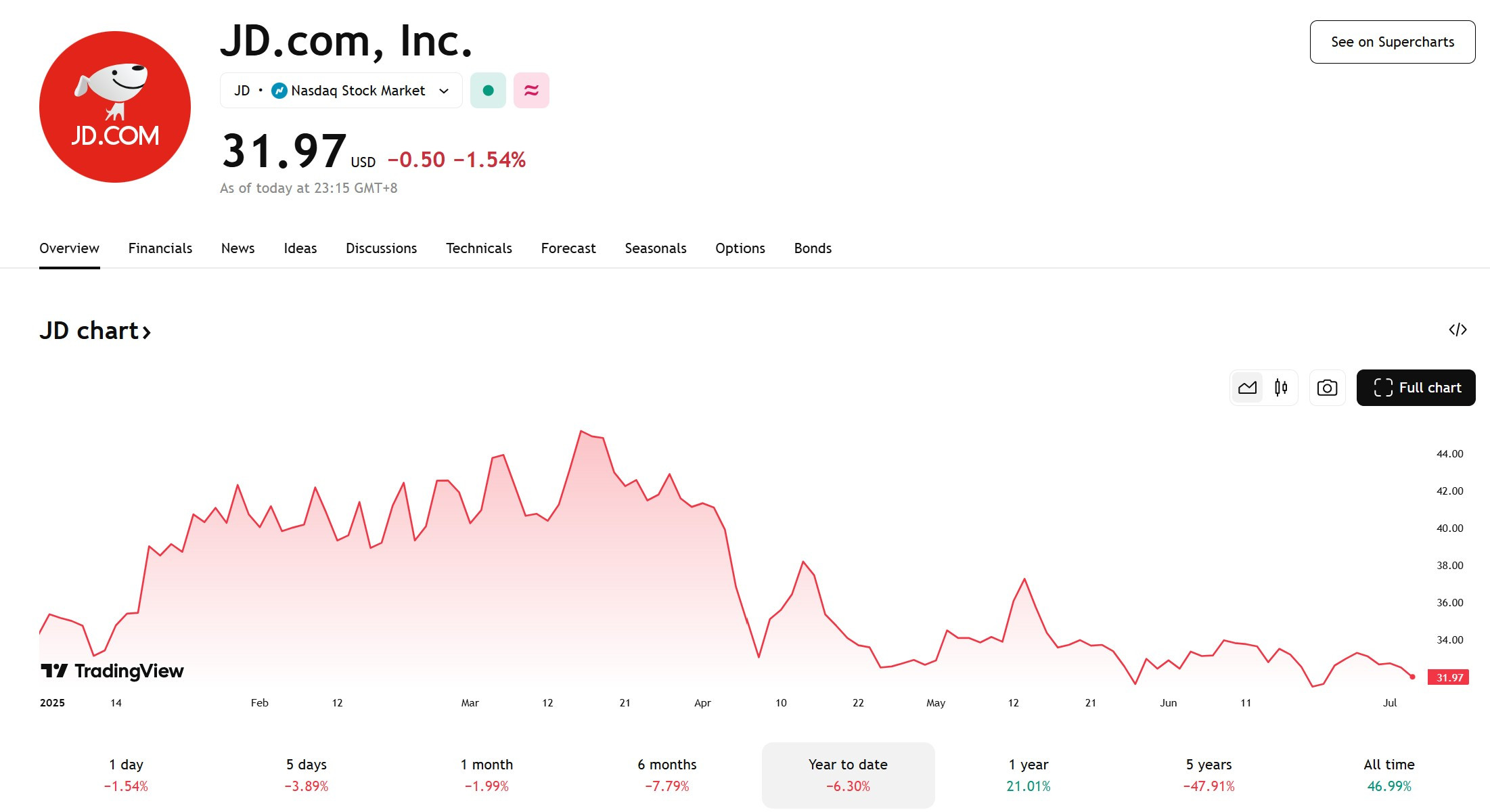
China’s three tech giants—Alibaba, JD.com and Meituan—saw their Hong Kong-listed shares tumble to four-month lows on July 3, reflecting growing investor anxiety over their ongoing subsidy-fueled food delivery war.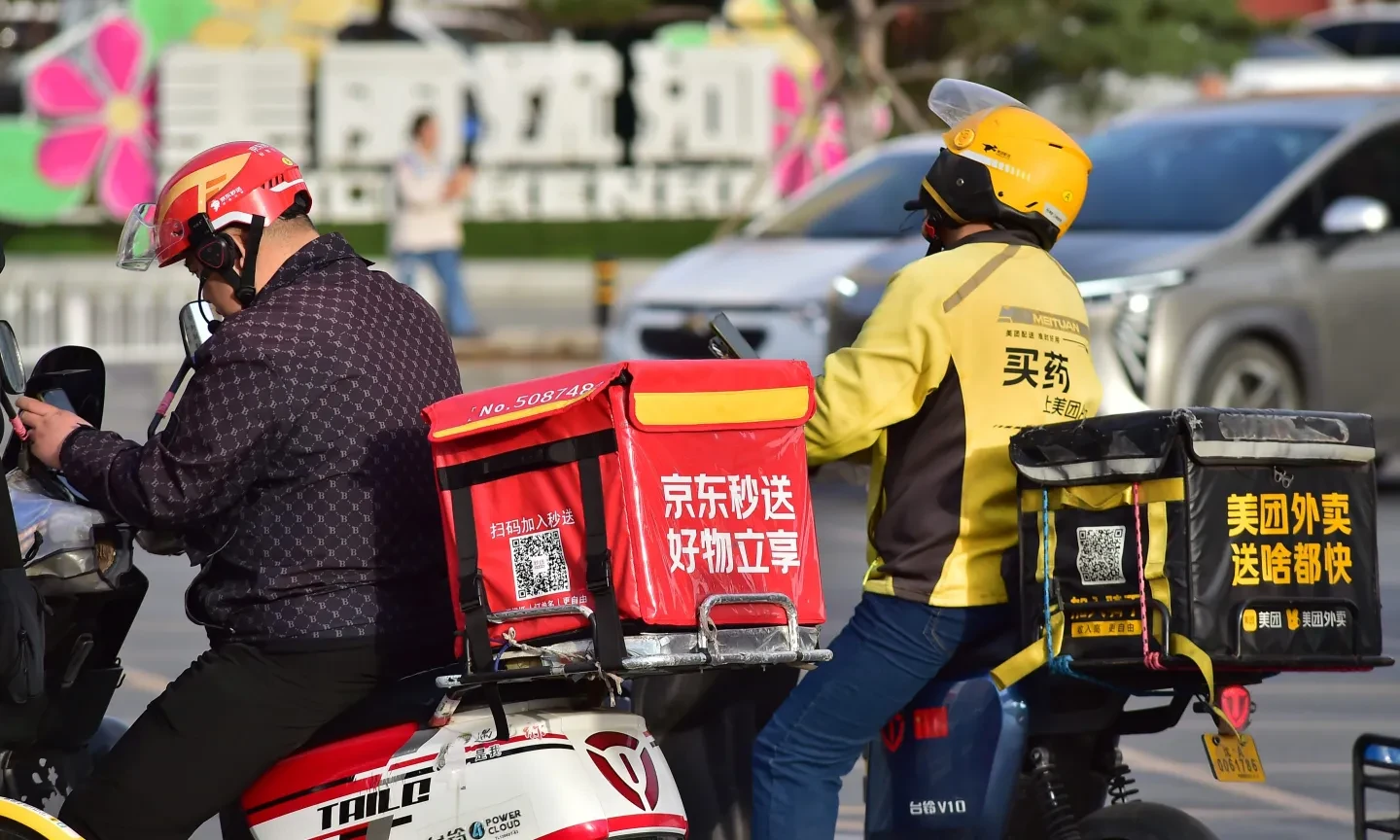
Goldman Sachs warns that this protracted battle will extend into September 2025 before easing, inflicting steep losses in the next 12-18 months.
In its base-case scenario, Alibaba’s delivery arm will lose RMB 41 billion, JD.com RMB 26 billion and Meituan’s EBIT will slide by RMB 25 billion. Meanwhile, Pinduoduo stands poised to benefit indirectly by avoiding the direct subsidy fight.
Amid a volatile ticker session—where Alibaba fell 2.9%, Meituan 2.5% and JD.com 2.1%—markets are bracing for an extended period of profit pressure even as all three players pour resources into becoming “ China’s daily app” via high‑frequency deliveries.
Below, we unpack the key takeaways, strategic rationale, future scenarios and likely market leaders in this escalating battle.
Heavy Losses Ahead: Is the Profit Slide Unavoidable?
Investors face a profit crunch over the next 12-18 months as subsidy spending ramps up. In June 2025 alone, the three companies collectively invested RMB 25 billion in delivery operations.
Goldman’s base case forecasts delivery losses of RMB 41 billion for Alibaba, RMB 26 billion for JD.com and an RMB 25 billion EBIT decline for Meituan.
These outlays are set to peak in September 2025, after which a turning point is expected. Yet short‑term pain is certain: JD.com’s quarterly loss may reach RMB 11 billion and full‑year delivery losses RMB 30 billion, potentially halving its net profit for the year to just RMB 6-7 billion.
Alibaba’s e-commerce margins are forecast to shrink versus earlier mid‑single‑digit growth expectations.
Key Takeaways: Investors Need to Remember
- Extended Battle Timeline
- This subsidy war will persist well beyond past cycles, peaking in September 2025 before any relief appears.
- Massive Capital Outlay
- In Q2 2025, Alibaba, JD.com and Meituan together spent RMB 25 billion on delivery subsidies—reinforcing how high the stakes have become.
- Deep Short-Term Losses
- Over the next 12 months, Goldman projects delivery-related losses of RMB 41 billion for Alibaba and RMB 26 billion for JD.com; Meituan’s EBIT will fall by RMB 25 billion.
- Strategic Cross-Selling
- All three aim to convert frequent delivery users into customers for stronger-margin services—e‑commerce, travel and in‑store dining—to offset losses.
- Pinduoduo’s Quiet Advantage
- By sitting out the direct subsidy warfare, Pinduoduo is better placed to capitalize on market reshuffling, especially as Meituan Youxuan exits 18 provinces.
- Long‑Term Growth Potential
- The delivery market could swell to RMB 24 trillion by 2030, with instant retail at RMB 15 trillion—implying eventual payback if market share and cross-sell strategies succeed.
Long Battle, Greater Gains: Will This Strategy Pay Off?
At first glance, pouring tens of billions into a low-margin business seems counterintuitive.
Yet Goldman argues these “losses” function as marketing spend to lock in users for higher-profit ventures. Meituan has already demonstrated success: roughly 30-40% EBIT margins from cross-selling delivery users into ride-hailing, hotel bookings and dine-in services.
Alibaba and JD.com have since integrated their immediate delivery services—Taobao Flash Purchase and JD Daojia—into their main apps.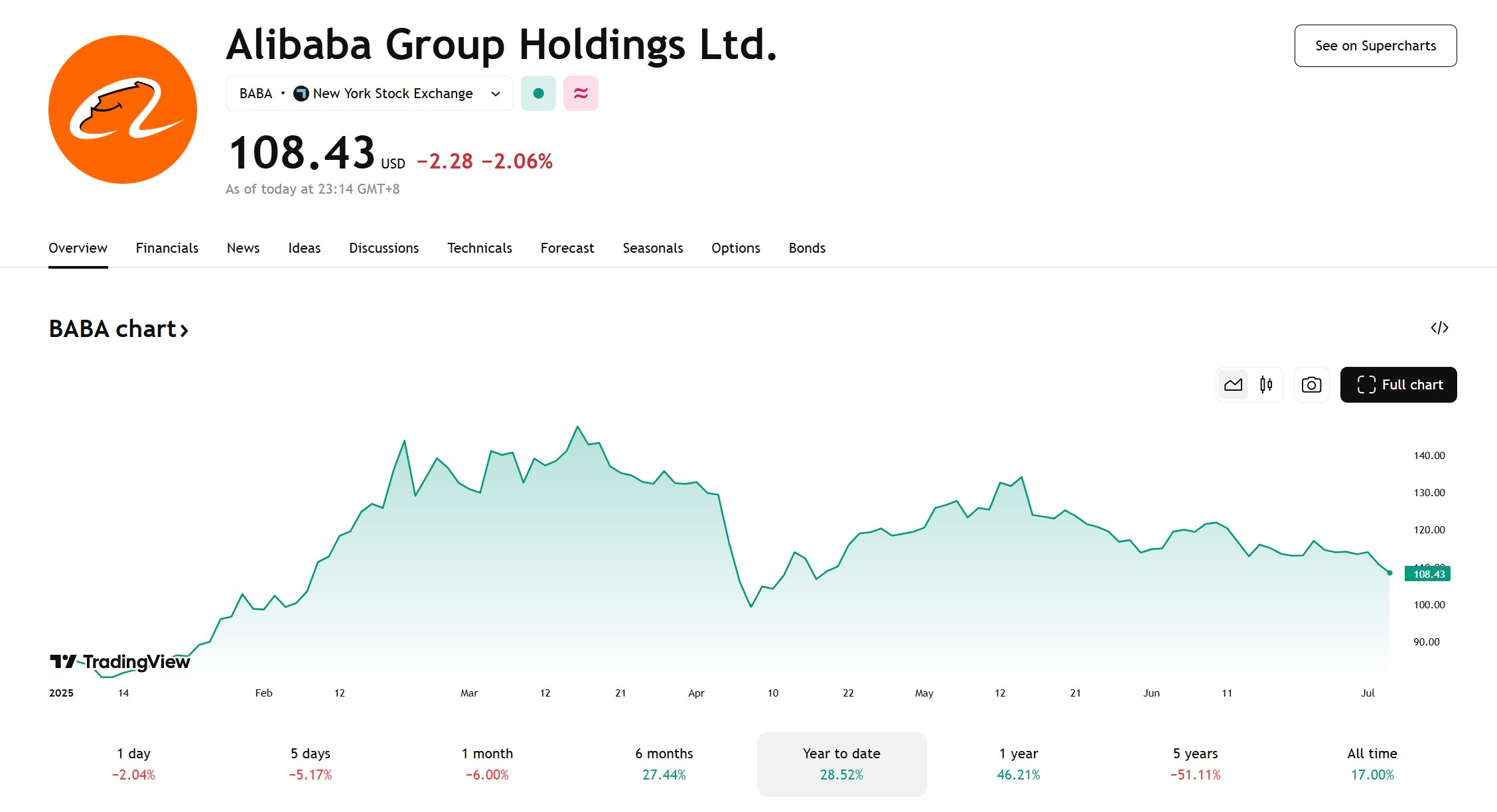
Between January and May 2025, Taobao’s DAU jumped 50 million to over 410 million, while JD’s grew by 50 million to about 170 million.
Pinduoduo’s DAU growth was comparatively flat, underscoring the impact of high-frequency services on user engagement.
For JD.com, the externality is significant: 40% of new delivery users converted into e‑commerce shoppers, boosting potential lifetime value.
Alibaba hopes to replicate Meituan’s cross-sell margins, while Meituan continues to leverage its densely‑built rider network and merchant partnerships.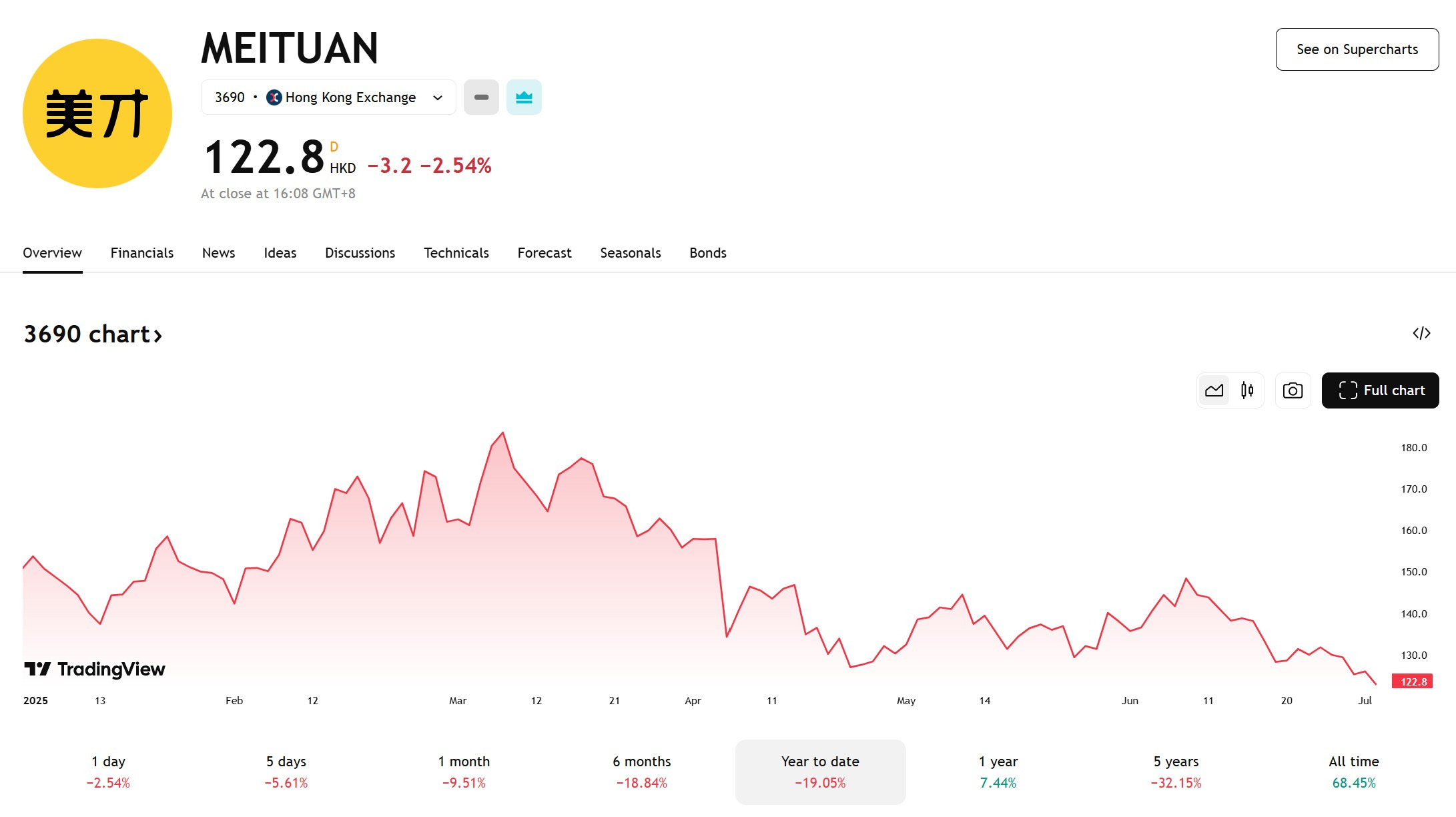
Three Future Scenarios: Charting the Path
Goldman Sachs models three distinct outcomes for market structure:
Base Case—Meituan Dominance (5.5:3.5:1)
Meituan retains leadership thanks to user loyalty, dense delivery network and strength in lower‑tier cities. Short-term EBITDA/unit drops to RMB 0.7 for delivery and zero for instant retail, with a long-run recovery to RMB 1.0 per order.
Dual Oligopoly (4.5:4.5:1)
Alibaba’s RMB 50 billion subsidy blitz, leveraging Taobao’s 2× DAU advantage, propels it to parity with Meituan. JD.com remains a distant third.
Three-Way Split (5:3:2)
JD.com’s merchant reach and 150,000 full‑time riders let it carve a stable niche. Its delivery EBITDA/unit recovers from -RMB 6.2 in 2025 to +RMB 0.5 long term.
Goldman maintains “Buy” ratings across all four platforms, downshifting target prices to reflect near‑term earnings headwinds but acknowledging strategic long-term value.
Market Share Showdown: Who Will Emerge Victorious?
Ultimately, the contest transcends delivery itself—it’s a race to become the “daily app” for hundreds of millions. Meituan’s proven cross‑sell model gives it a head start, but Alibaba’s integration with Taobao and unrivaled e‑commerce scale pose a formidable challenge.
JD.com’s path hinges on improving merchant coverage and converting delivery trials into loyal shoppers. Pinduoduo may capitalize on market exits—such as Meituan Youxuan’s retrenchment—to bulge “Duoduo Maicai” into underserved regions.
Below‑the‑line, merchant and rider incentives will dictate who secures critical density and customer stickiness.
As subsidies ebb post‑September 2025, shifts in market share will crystallize. The survivor does more than sustain losses—it maximizes cross‑sell returns, operational efficiencies and user loyalty in the long haul.
Conclusion
China’s food delivery subsidy war has entered uncharted territory, with giants willing to burn cash for market share.
Goldman Sachs’ forecasts of RMB 90 billion-plus in combined losses compare to the prize: a daily touchpoint with nearly half a billion consumers. Whether the three femtotech titans can absorb near‑term pain to reap mid‑term profits will hinge on their cross‑selling prowess, network density and user engagement.
As September 2025 approaches, investors should watch evolving EBITDA/unit metrics and DAU conversion rates to gauge which strategy ultimately prevails.