
Big and Beautiful Law: Will America’s Future Prosper or Perish?

On July 4, 2025, President Trump signed the “Big and Beautiful” Act, enacting over $1 trillion in combined tax cuts and spending measures.
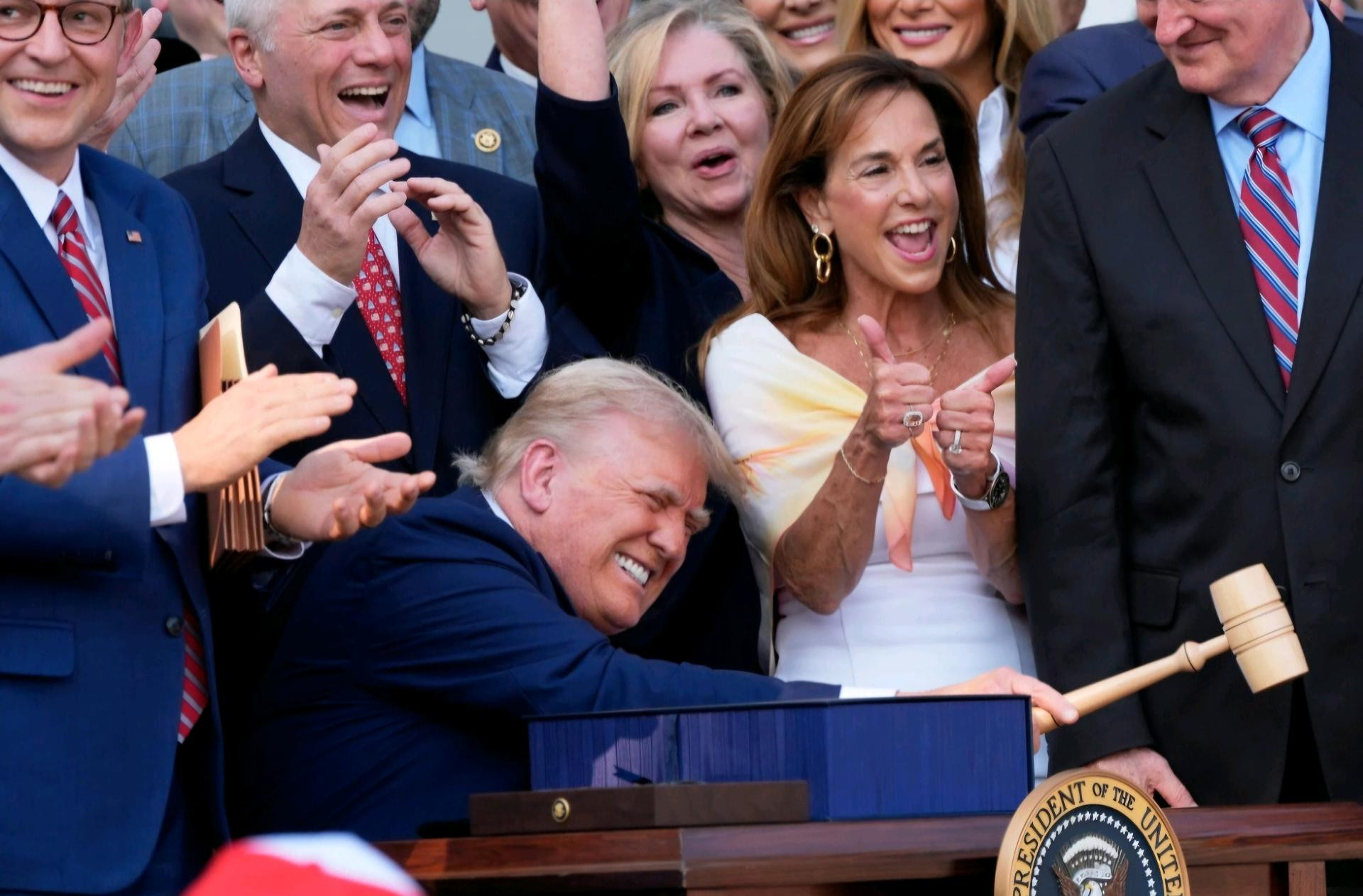
Republicans tout $4 trillion in ten-year tax relief and $1.5 trillion in spending reductions, while CBO warns of a $3.4 trillion surge in federal debt over the same period.
Markets are already pricing in a flood of short-term Treasuries, with one-month yields climbing above 4 percent as investors brace for record supply.
What’s Inside the ‘Big and Beautiful’ Act?
The centerpiece extends Trump’s 2017 corporate and individual tax cuts—some permanently—while exempting tips and overtime pay from income tax.
It raises the debt ceiling by $5 trillion, enshrines the 2017 Tax Cuts and Jobs Act provisions indefinitely, and slashes federal aid: Medicaid faces nearly $1 trillion in cuts over ten years, threatening health coverage for 11.8 million Americans by 2034.

Yale’s Budget Lab projects that lowest-income households will see a 2.3 percent decline in after-tax income, while the wealthiest quintile gains roughly 2.3 percent.
Republicans frame the legislation as a bold stimulus: spurring growth, curbing illegal immigration, and consolidating party unity ahead of 2025 elections.
Despite record breaks in floor speeches and procedural votes—such as Vice President Pence’s tie-breaking Senate vote and a near-nine-hour Democratic oration in the House—the bill inched through with slim majorities: a four-vote margin in the House and Pence’s decisive vote in the Senate.
How Will Washington Finance Trillions?
To fund a $3.4 trillion deficit increase, the Treasury plans to ramp up short-term note issuance—a strategy favored by both President Trump and Treasury Secretary Bassett.
One-year and shorter bills, currently yielding just over 4 percent, remain cheaper than ten-year notes at roughly 4.35 percent. Yet front-end borrowing carries rollover risks: a sudden Fed rate hike or a liquidity squeeze could spike financing costs.
Institutional investors are divided. Invesco’s Matt Brill notes $7 trillion in money market funds hungry for high-yield paper, suggesting solid demand.
Conversely, one Canadian portfolio manager warns that extreme short-term issuance invites funding shocks if market appetite falters. Some analysts predict the short-term debt ratio may rise from a 20 percent TBAC guideline to 25 percent of total issuance, testing market depth.
What Does Musk’s Take Reveal?
Despite Trump’s triumph, Tesla CEO Elon Musk publicly critiqued the Act by liking Senator Rand Paul’s post labeling it a “Big but Unbeautiful” scheme.
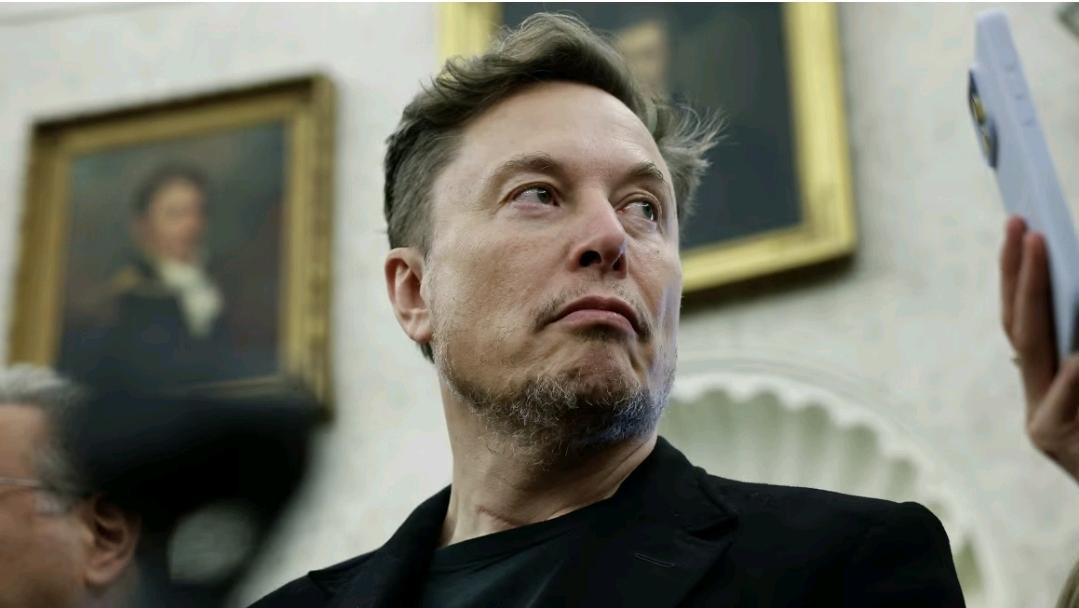
Paul argued the bill’s short-term political gains sacrifice long-term sustainability—an assertion Trump retorted last month, calling Paul “crazy” and dismissing his objections as uninformed.
Musk’s engagement signals a rift: he opposes the rollback of electric-vehicle incentives and carbon-credit trading rules vital to Tesla’s profitability.
Tesla’s carbon-credit sales—$2.8 billion in 2024 and $409 million in Q1 2025—could vanish under the new law, which zeroes out CAFE fines and extinguishes the market for credits. Former Tesla executives warn that losing tax credits for batteries,
Supercharger expansion, and solar products will further erode margins. Musk’s social-media gesture suggests tensions between Big Tech’s growth ambitions and Washington’s fiscal priorities.
Green Energy Hits a Roadblock
The Act phases out tax credits for wind turbines and solar panels, imperiling as much as 200 GW of wind and 150 GW of solar projects by 2035, according to Energy Innovation.
This setback arrives as U.S. power demand surges—Texas alone may need 30 GW of new capacity by 2030 to service AI data centers. In 2024, utility-scale solar accounted for 61 percent of new U.S. generation, or 30 GW, per EIA data.
By canceling key provisions of the 2022 climate law—once expected to leverage $1.2 trillion in public and private climate investment—the new measures threaten America’s clean-energy trajectory.
Without federal incentives, developers may delay or scrap projects, shifting the burden to state policies or raising costs for consumers and businesses alike.
In an era of record deficits and polarized politics, the “Big and Beautiful” Act represents both a legislative milestone for Trump and a potential fiscal inflection point.
While proponents herald growth and stock-market stability, critics warn of long-term debt, market disruption, and environmental rollback—issues that will shape America’s economic and energy landscape for decades.