
Could Elon Musk’s “American Party” Shake Up U.S. Politics?

Elon Musk stunned Washington and social media on July 5, 2025, by announcing via X that his new “American Party” had officially formed—just hours after President Trump signed the 1,000‑page Big Beautiful Bill into law.
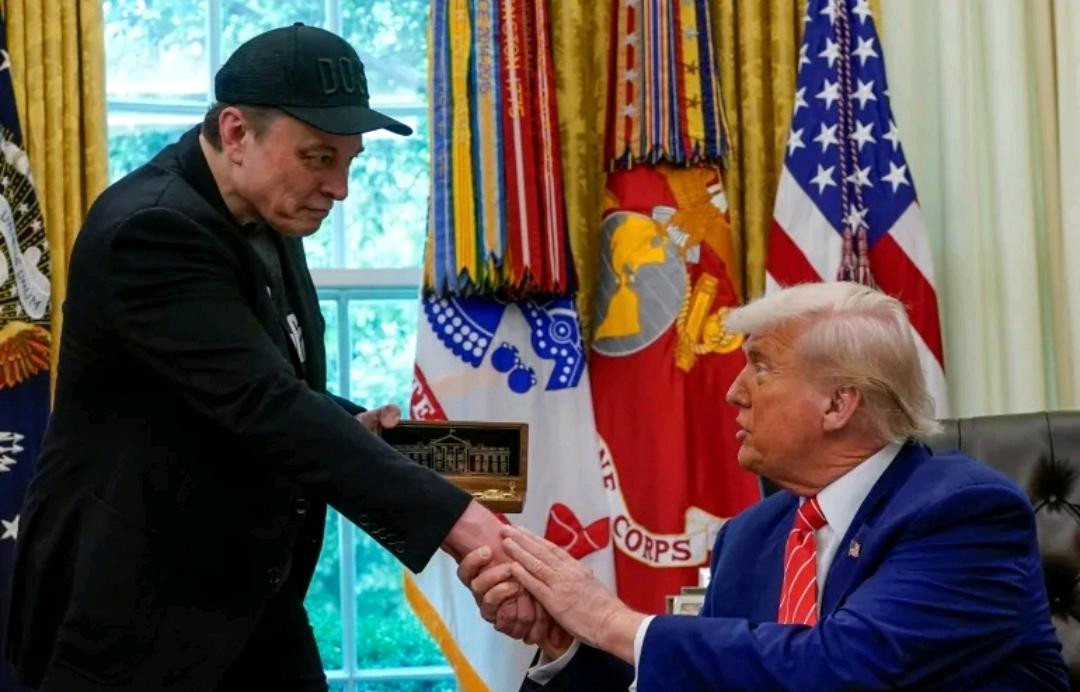
Musk had vowed on June 30 that if Congress approved the sweeping tax‑and‑spend package, by the next day a genuine centrist party would exist to “return freedom to the people.”
Key Points at a Glance
- Instant Formation Promise: Musk’s June 30 ultimatum—found a party the day after the Big Beautiful Bill’s passage—was triggered when Trump signed it on July 4.
- Overwhelming Poll Support: Initial June polling of 2.2 million followers yielded 80% in favor of a new centrist party; a follow‑up July 4 vote (1.25 million participants) saw 65.4% back the move.
- Policy Clash with Trump: Musk derided the Big Beautiful Bill as “repulsive,” objecting to its rollback of EV tax credits and its debt impact. Trump retaliated by threatening to “expel” Musk and to probe Tesla’s and SpaceX’s subsidies.
- Targeted Electoral Strategy: Rather than compete nationwide, Musk aims for 2–3 Senate seats and 8–10 House districts, seeking to swing tight legislative votes.
- Procedural Hurdles Remain: U.S. law demands state party conventions, officer elections, and certification—steps Musk has not publicly confirmed initiating.
What Exactly Is the “Big Beautiful Bill”?
The Big Beautiful Bill, backed by President Trump, stretches more than 1,000 pages. It extends the 2017 corporate and individual tax cuts, adds new deductions for tips and auto loans, boosts defense spending, and allocates funds for border enforcement.
Musk’s gripe centers on two key provisions: repeal of electric‑vehicle tax credits and the bill’s projected $3.3 trillion increase to the national debt over ten years.
Democrats uniformly opposed the bill, warning it would worsen America’s $36.2 trillion debt load, while Trump’s team forecasts that economic growth spurred by tax relief will shrink deficits by 2034.
“Why a Third Party Now?”
Musk’s Rationale: On June 5, Musk polled 220 million followers: “Is it time to create a new party representing the 80% in the middle?” More than four‑fifths said yes.
Polling Redux on Independence Day: Recognizing July 4’s symbolism, Musk re‑ran the survey. Of the 1.08 million accounts voting, 64.4% again endorsed an “American Party”—a sign of enduring, if waning, enthusiasm.
Critics’ View: Detractors accuse Musk of grandstanding. MeidasTouch editor Ron Filipkowski publicly challenged the repeat poll, urging Musk to move from rhetoric to formal organization.
“Could Trump Actually Deport Musk?”
President Trump, affronted by Musk’s attacks, joked on July 1 about expulsion:
“I don’t know. We’ll have to think about it.”
He suggested the Government Efficiency Department (DOGE)—formerly led briefly by Musk—should audit Tesla and SpaceX subsidies, warning that “the monster” might turn on its creator. Musk retorted that the bill’s cuts to green incentives would undercut Tesla’s competitiveness.
Building a “Political Lever” vs. a Mass Movement
Strategic Precision: Musk frames his new party not as a broad crusade but as a focused “political lever.” By capturing a handful of swing seats, he contends, he can decisively influence contested legislation.
“Given Congress’s razor‑thin margins, winning just 2 or 3 Senate seats and 8 to 10 House districts could tip the balance on major bills,” Musk wrote on July 4.
Organizational Gaps: True party formation requires state‑by‑state groundwork: drafting bylaws, electing officials, and achieving ballot access. To date, there’s no evidence Musk’s team has convened caucuses or filed the paperwork.
What’s Next—and Can It Last?
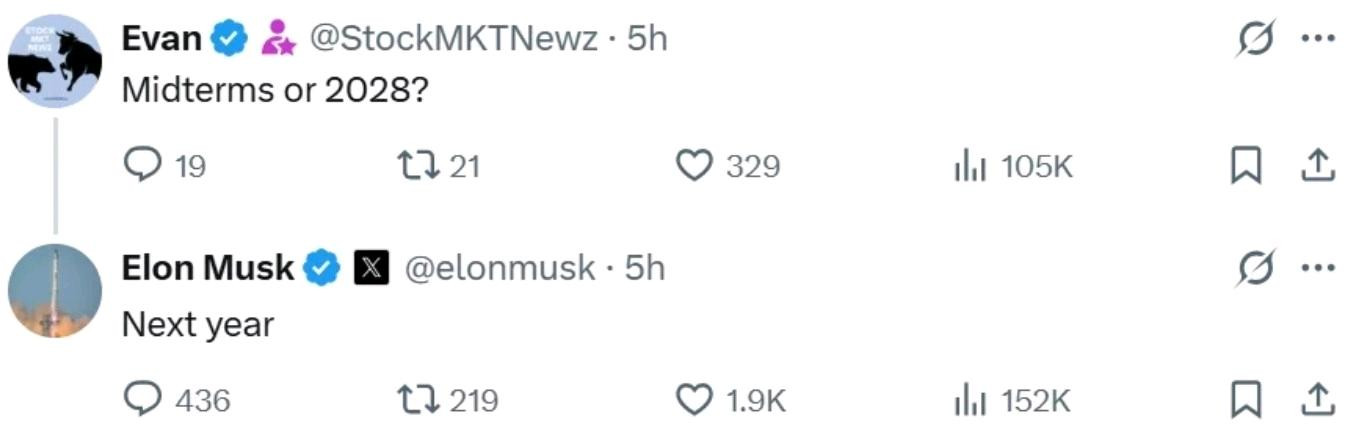
Musk hinted under a July 5 announcement that the American Party could field candidates “next year.” Yet legal recognition involves complex certification in every battleground state.
Signs to Watch:
- Party conventions in key states
- Candidate slates for midterm and local races
- Fundraising infrastructure rivaling established parties
Without these pillars, the American Party risks fading as another high‑profile novelty rather than reshaping Capitol Hill.
Conclusion: A Billionaire’s Political Experiment
Elon Musk’s founding of the American Party marks an unprecedented bid by a tech magnate to upend the two‑party duopoly. His tactic—deploying public polls to justify a targeted electoral strategy—blurs activism and organization.
Whether this experiment morphs into a durable third force or falters amid procedural realities will depend less on tweets than on boots‑on‑the‑ground work. For investors, policymakers, and voters, Musk’s next moves could introduce a new swing variable in the American political calculus.