
New Threats to Central Bank Dominance: Are Political Attacks and Stablecoins Undermining Monetary Control?

At this year’s Sintra central banking forum, the focus moved beyond inflation to existential challenges to the global monetary order—ranging from political assaults on the Federal Reserve to the meteoric rise of stablecoins.
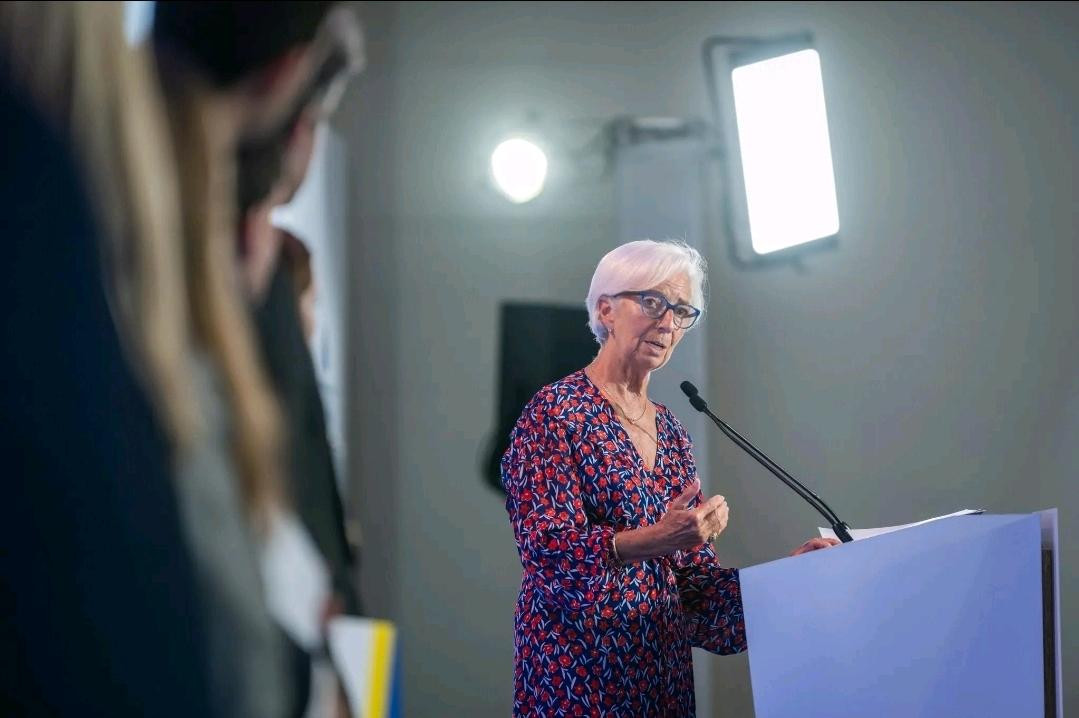
Governors and presidents convened to diagnose new vulnerabilities that could erode central banks’ hard‑won independence and control over money supply.
Key Takeaways: What You Need to Know
- Political Pressure on the Fed: President Trump’s public criticism of Chair Jerome Powell and hints of appointing a “shadow” Fed chief have heightened fears over the Fed’s autonomy.
- Eroding Dollar Guarantees: Doubts surfaced about the longevity of Fed dollar swap lines—lifelines for $25 trillion in offshore credit—if a politically chosen chair reverses course.
- Central Banks Self‑Protecting: Economies like Korea and Japan are exploring reserve buffers and regional swap pacts to hedge against potential U.S. unilateralism.
- The Stablecoin Challenge: Private tokens pegged to fiat have vaulted into mainstream transactions, prompting regulators to debate their stability and impact on monetary sovereignty.
- Looking Ahead to Jackson Hole: These concerns will crescendo at the Fed’s Jackson Hole symposium on August 21–23, where policymakers will revisit the risks spotlighted at Sintra.
Why Are Political Attacks So Alarming?
For decades, central banks have guarded their independence as the bedrock of credible policy. This year, however, Sintra attendees could not ignore President Trump’s increasingly personal barbs at Fed Chair Jerome Powell.
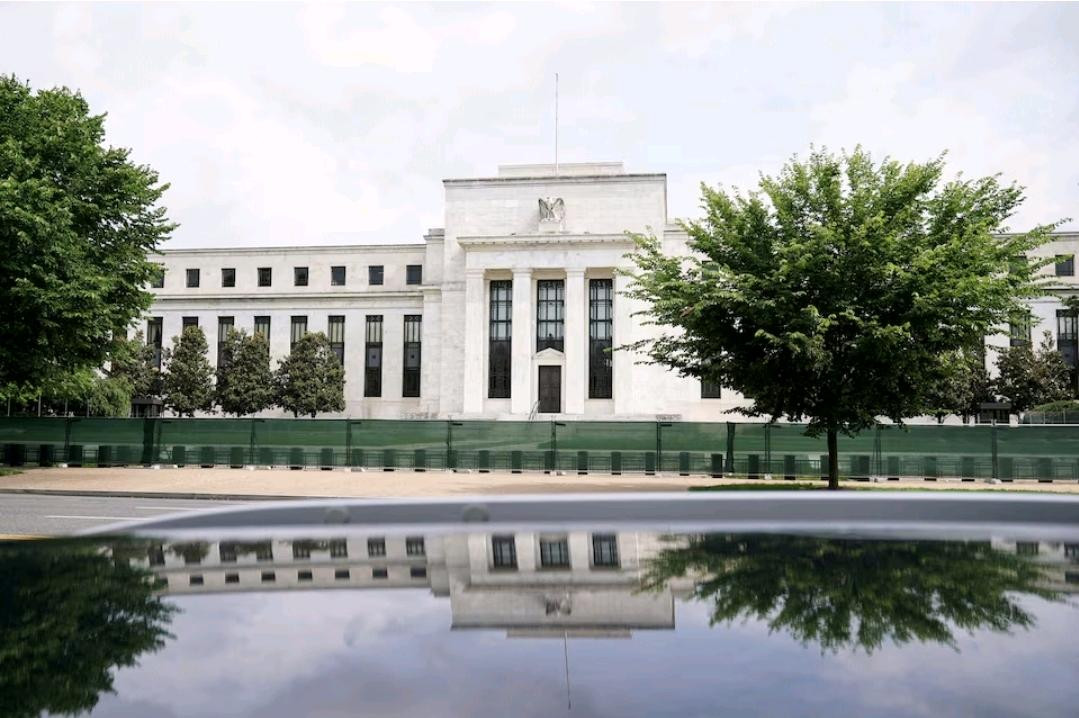
Any suggestion that the Fed might bow to White House interests in setting borrowing costs threatens to undermine global confidence in its non‑political mandate.
A recent UBS Asset Management survey found two‑thirds of reserve managers worried the Fed’s autonomy is at risk. In response, Powell insisted in Sintra’s plenary that he and his colleagues remain “100%” focused on low inflation and full employment, acting “in a completely non‑political way.” His remarks earned enthusiastic applause from peers, including ECB President Christine Lagarde.
Is the Dollar’s Global Role at Risk?
The U.S. dollar’s status as the world’s reserve currency rests on trust in the Fed’s independence and the availability of dollar liquidity through swap lines.
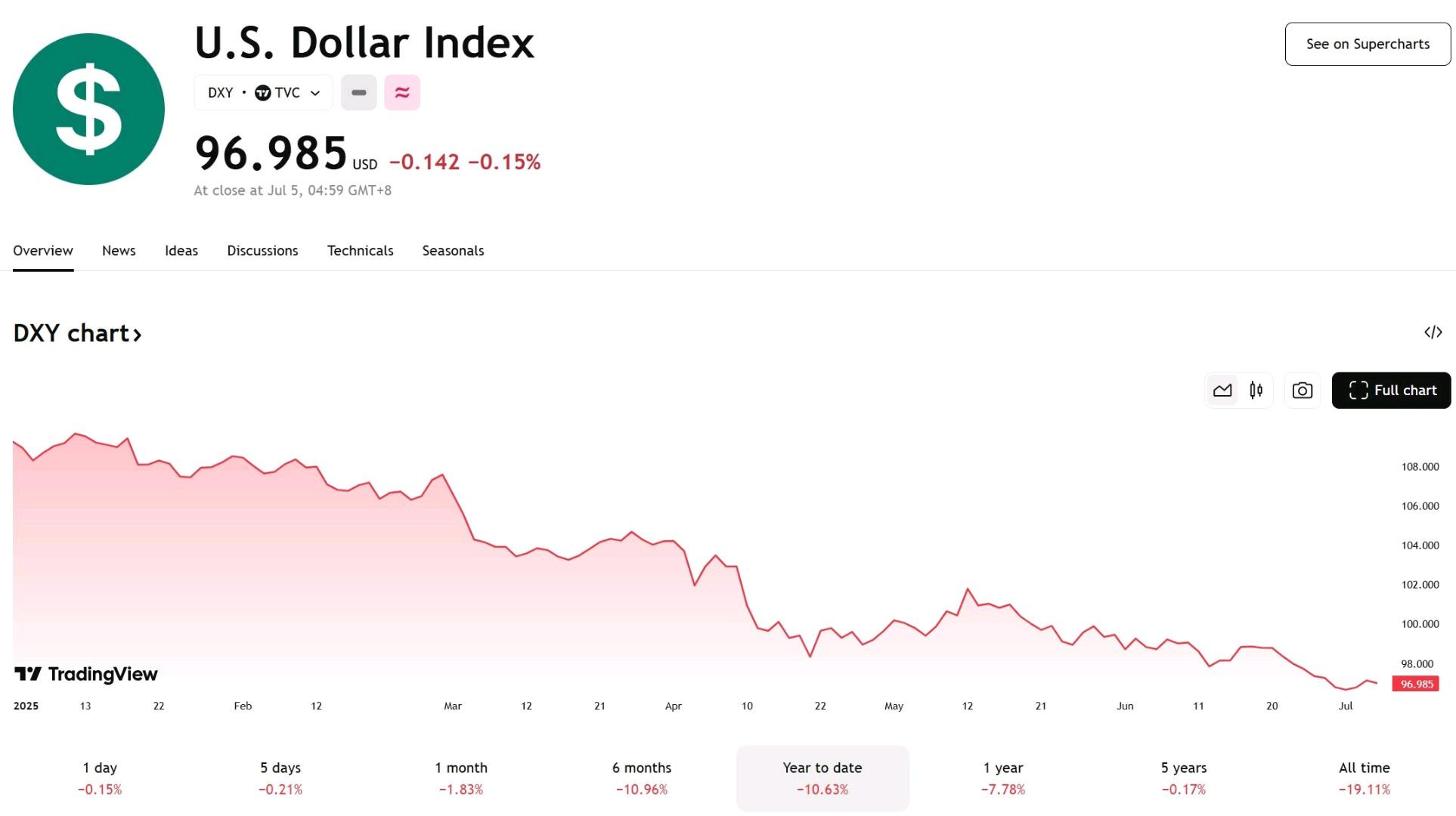
These arrangements underwrite $25 trillion of offshore dollar lending, helping to extinguish financial fires before they spread to Wall Street. Yet Sintra discussions revealed unease about whether a Trump‑aligned Fed chair might limit or withdraw these lines, leaving foreign banks exposed.
Bank of Korea Governor Lee Chang‑yong highlighted that, without a permanent swap arrangement, Korea must “self‑protect” by holding ample reserves.
Meanwhile, Japan’s Ueda Kazuo emphasized the importance of regional safety nets, such as the Chiang Mai Initiative under ASEAN+3, as a complementary backstop.
An anonymous ECB official admitted some central banks are even considering increased dollar and gold hoarding—though these measures may only partially bridge any gaps.
What Makes Stablecoins So Disruptive?
Once confined to niche crypto circles, stablecoins—digital tokens pegged to fiat currencies—have vaulted into mainstream finance, prompting lively debates at Sintra’s informal evening gatherings.
While their efficiency as low‑friction payment vehicles is acknowledged, governors voiced concerns about potential “runs” if issuers lack sufficient reserves. The 2022 collapse of TerraUSD still looms as a cautionary tale.
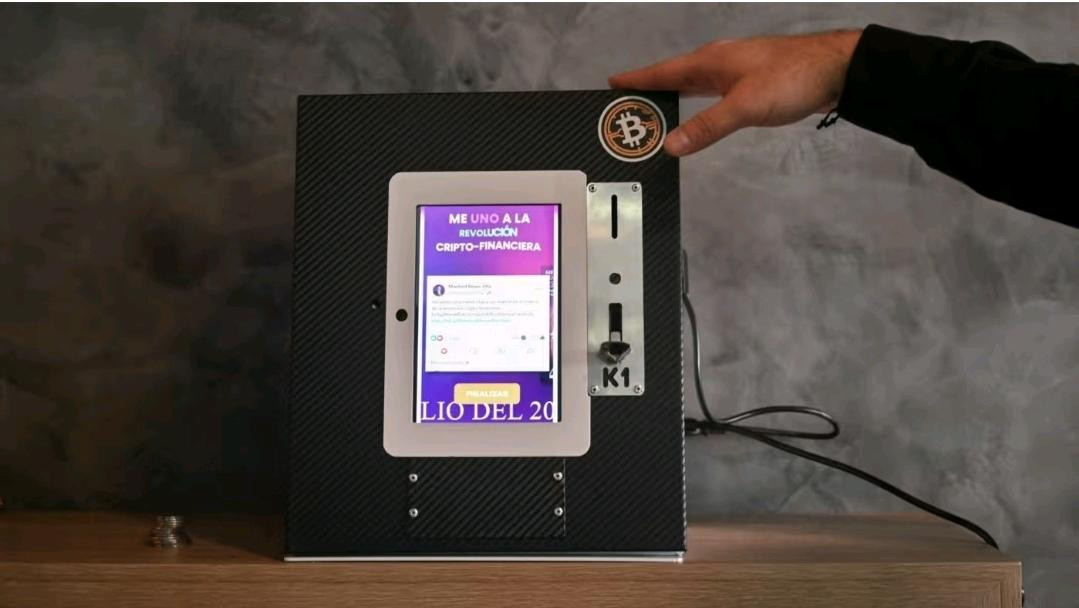
Bank of England Governor Andrew Bailey insisted that any token seeking “money‑like” status must demonstrate it can “maintain its nominal value.” ECB President Lagarde went further, describing stablecoins as “private money” that can erode central banks’ control over the money supply.
In South Korea, presidential candidate Lee Jae‑myung’s promise to issue a won‑denominated stablecoin has authorities on alert, fearing it may spur demand for competing dollar tokens and complicate forex management.
How Are Central Banks Fortifying Themselves?
Faced with political pressure, liquidity worries, and private money challengers, central banks are layering defenses. Powell’s pledges to use “the same authorities” under existing law aim to reassure markets that swap lines and emergency tools remain intact.
Economies without enduring U.S. swap deals, like Korea, are bolstering reserves to self‑insure against dollar shortages. At the same time, regional accords such as the Chiang Mai Initiative offer collective firepower beyond bilateral arrangements.
Regulators are drafting stricter reserve‑backing rules and oversight frameworks for stablecoins to prevent future runs. High‑profile speeches at Sintra—and soon Jackson Hole—serve a critical role in maintaining confidence in central banks’ steadfast stewardship.
What to Watch at Jackson Hole
As the Fed’s Jackson Hole symposium approaches on August 21–23, all eyes will be on how these issues evolve.
Will Powell—or his successor—face renewed scrutiny over political independence, or will the Fed cement norms against White House interference? Can the Fed publicly reaffirm its swap facilities to quell lingering market doubts? Will global regulators agree on unified principles for stablecoins, striking a balance between innovation and financial stability? And might Sintra’s spirit of collaboration translate into deeper coordination—or will geopolitical divides stall progress?
Conclusion: A New Era of Monetary Vigilance
Sintra 2025 marked a turning point: central bankers are no longer solely inflation fighters—they are also guardians against political encroachment, liquidity shocks, and private money challengers.
As these governors and presidents prepare to reconvene at Jackson Hole, the world watches whether their pledges will translate into concrete measures that preserve the integrity of the global monetary system.
In an age where tweets can rattle markets and digital tokens can rival sovereign currency, central bank resilience has never been more critical.