
Will OPEC+’s Fast Track Output Plan Overwhelm Oil Markets?

In an unexpected move, OPEC+ advanced its scheduled meeting to Saturday for an online discussion on ramping up oil production.
Sources say eight key members are weighing an August output boost exceeding 500,000 barrels per day—aiming to recapture market share from non‑OPEC producers.
Yet by accelerating supply restoration, the group risks deepening a global glut and further depressing prices.
Key Points at a Glance
- Meeting Moved Up: The virtual session was shifted forward by one day due to calendar conflicts.
- Historic Expansion: Saudi‑led OPEC+ has already raised output by 411,000 barrels per day over the past three months.
- August Ambitions: Proposals under consideration could fully restore the 2.2 million bpd cutback by late September—months ahead of prior plans.
- Market Share Focus: Officials cite summer fuel demand peaks and competition from U.S. shale as primary motivations.
- Price Risks: The International Energy Agency warns of significant surplus later this year; some Wall Street analysts foresee Brent dipping to $60/barrel or lower.
What’s Driving the Accelerated Output Push?
Previously committed to voluntary cuts of 2.2 million barrels per day to support prices, OPEC+ shifted strategy this year toward growth. Member states, led by Saudi Arabia, now prioritize reclaiming volumes lost to U.S. shale and other suppliers.

A representative explains that boosting August production over half a million barrels daily will allow OPEC+ to outpace non‑allied producers and shore up revenues through higher volumes, even at reduced unit prices.
Summer’s seasonal demand surge and concerns over certain members’ surpluses have also spurred urgency. With global inventories rising by around 1 million barrels per day—according to the IEA—OPEC+ officials argue a proactive acceleration can preempt rivals’ price undercutting.
“Our goal is to recover our market share swiftly,” said one delegate. “Maintaining a nominal cut makes little sense if others are increasing output anyway.”
Could This Strategy Backfire?
While seizing share from U.S. shale aligns with political and economic objectives—especially given the White House’s preference for lower fuel costs—the gambit carries clear downsides.
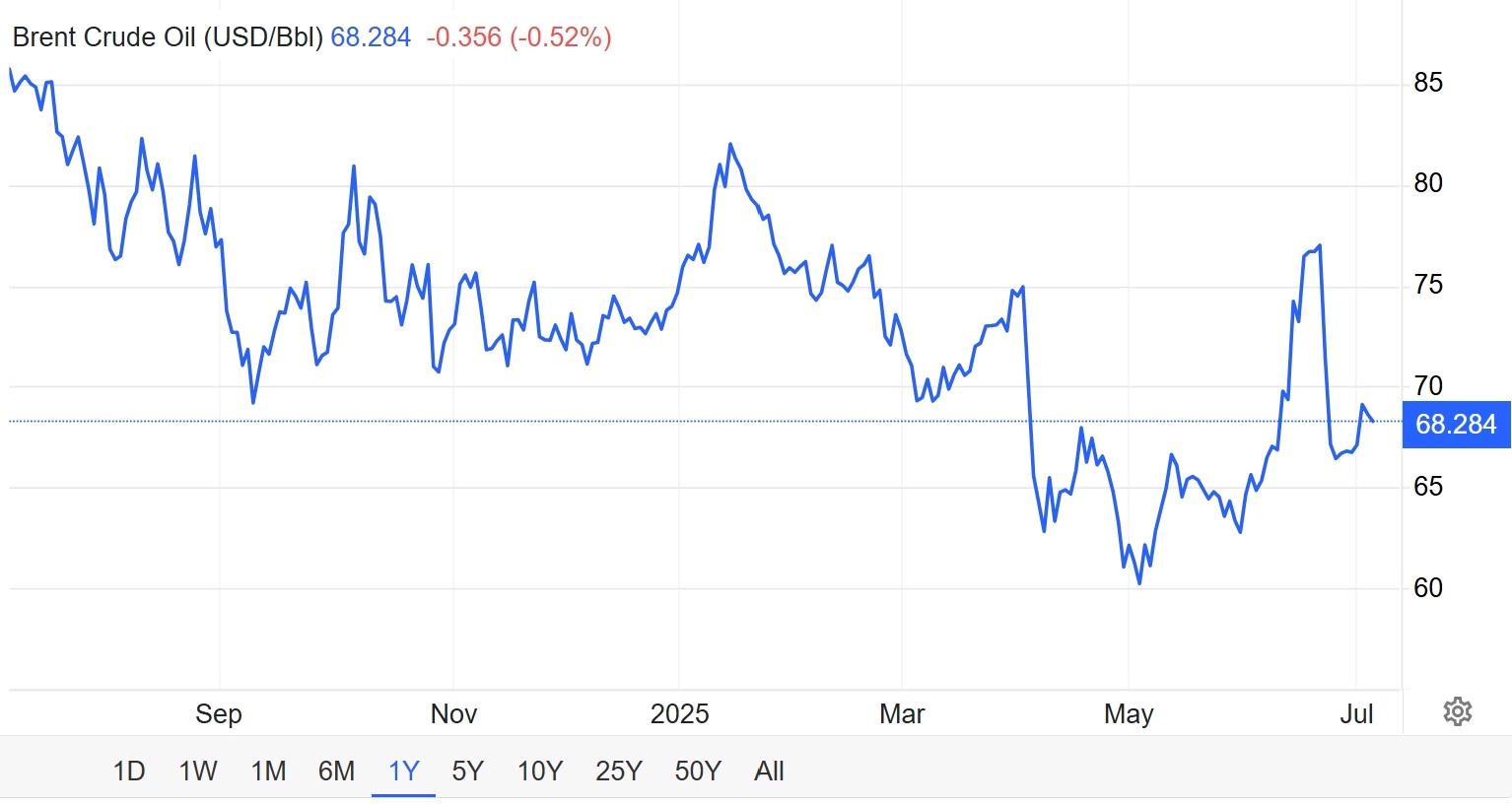
Massive incremental supply may overwhelm demand, deepening the very glut OPEC+ once sought to alleviate. Brent crude already slipped to about $68 per barrel last Friday, down 13% in two weeks amid easing Middle East tensions and robust stock builds.
If OPEC+ restores its full suspended capacity by September, markets may face two significant headwinds: seasonal demand tapering beyond summer, and renewed U.S. shale growth reacting to higher prices.
Both factors could amplify downward pressure, potentially forcing producers to reverse course or endure tighter margins. Goldman Sachs and JPMorgan analysts project that fourth‑quarter prices could test $60/barrel—or lower if inventories continue to swell.
Conclusion: A High‑Stakes Balancing Act
OPEC+’s decision to accelerate production underscores a fundamental shift: from using cuts to defend prices, to leveraging volume for market dominance.
By moving the online meeting up and weighing an unprecedented August increase, the alliance signals that volume—and the revenues it generates—now take priority over unit price.
Yet this high‑stakes play tests the limits of global demand and risks triggering a price crash that could strain member budgets and shale‑dependent economies alike.