
After Trump’s Megabill the US Treasury Is About to Flood the Market with Short-Term Debt

With President Trump’s massive tax cut and spending package officially signed into law, the US Treasury is getting ready to issue a wave of short-term Treasury bills (T-bills) to help cover the government’s ballooning deficit.
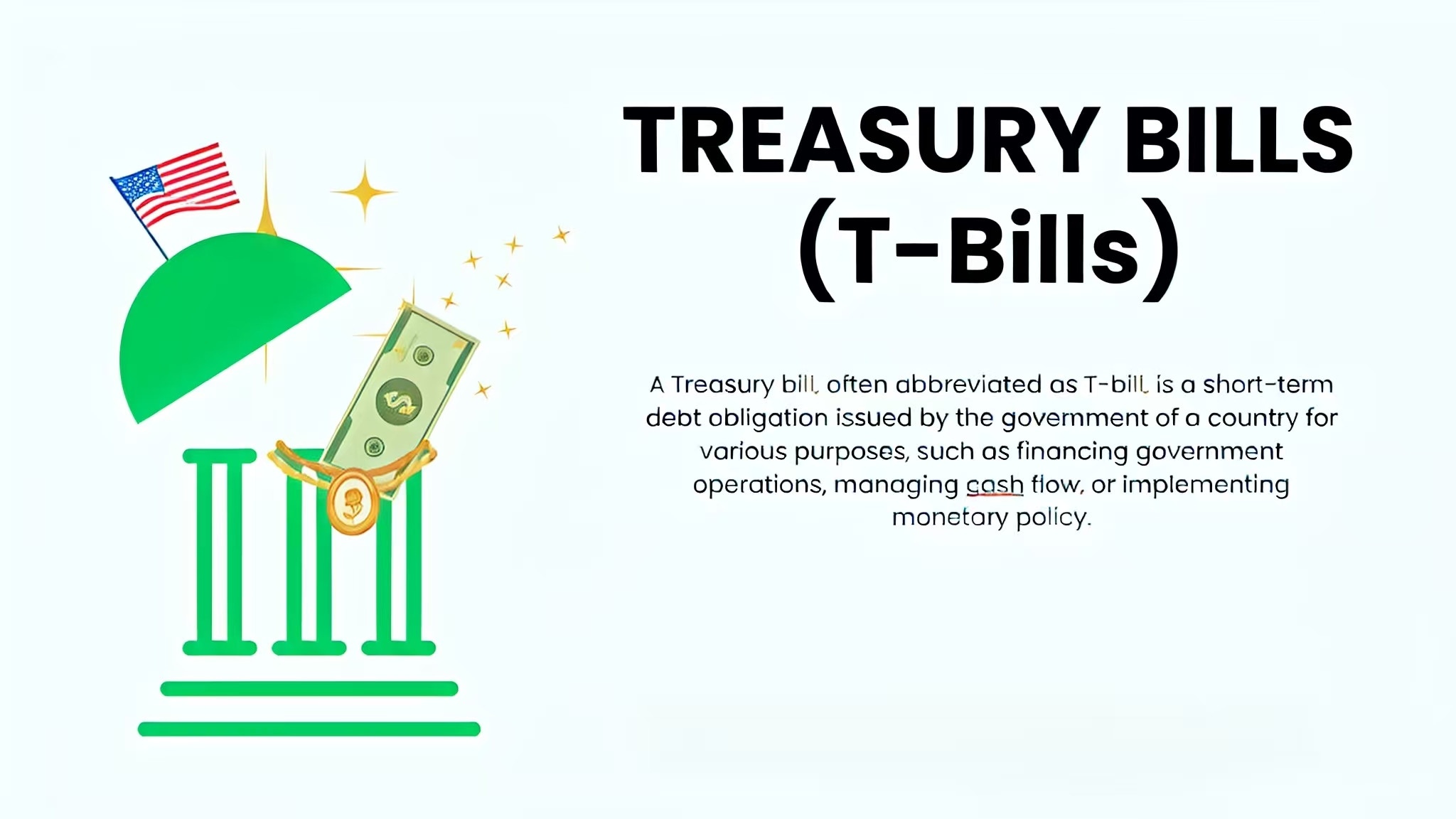
Why Is the Government So Eager to Issue T-Bills Right Now?
T-bills are US government debt securities that mature in one year or less. Because they’re low risk and highly liquid, they’re often treated like cash equivalents by institutional investors—especially money market funds.
Issuing T-bills is cheaper and faster than selling longer-term bonds, which makes them a go-to option when the government needs cash quickly. Given the projected $3.4 trillion increase in the deficit over the next decade, the Treasury is leaning heavily on short-term paper to plug the gap.
But relying too much on short-term debt isn’t without risk.
What’s the Problem with Borrowing Short-Term?
Short-term borrowing may look smart in the moment, but it creates significant exposure to future volatility.
If inflation heats up again or the Fed raises rates, the cost of rolling over short-term debt could spike. That would make it more expensive for the government to refinance its obligations, especially since T-bills don’t lock in rates like 10- or 30-year bonds.
Another risk is that investor demand could drop if the economy slows or savings shrink. That would make it harder for the Treasury to find buyers—just when it needs them most.
Can the Market Absorb All These New T-Bills?
Right now, demand for T-bills looks solid.
-
There’s over $7 trillion sitting in money market funds, many of which are eager for short-term, low-risk assets.
-
According to BofA Securities, T-bills may grow to 25% of the US government’s total marketable debt, up from roughly 20% now.
-
Other institutional investors say T-bill yields remain attractive, and plenty of cash is still “on the sidelines” waiting to be deployed.
Still, if market conditions change—or if demand softens unexpectedly—T-bill yields could move sharply, unsettling short-term funding markets.
What This Means for Investors and Policymakers
The Treasury’s growing reliance on short-term debt is a double-edged sword. On the one hand, it satisfies strong current demand and keeps borrowing costs low. On the other, it leaves the US government increasingly exposed to sudden shifts in interest rates or liquidity conditions.
From an investment perspective, this could add volatility to the short end of the yield curve—and may pressure the Fed to step in if markets get bumpy.
Final Thoughts
T-bills themselves aren’t the issue—it’s using them as a primary funding tool that could create problems down the line.
In the coming months, investors should watch:
-
Whether short-term yields continue to climb
-
How much appetite money markets have for new supply
-
And whether long-term bonds start to sell off in response
The Treasury is walking a tightrope, balancing near-term needs with long-term risks. How they manage this flood of short-term debt could shape the outlook for US rates—and ripple across global markets.
If you found this analysis helpful, follow for more updates. Next up, we’ll look at how rising T-bill issuance might shape the Fed’s next move.