
Trade on the Brink: Will Today’s Tariff Letters Ignite a New Global Fallout?

As July 9 looms, the U.S. government prepares to send “final warning” letters to 12 major trading partners--threatening to reinstate 10%--70% retaliatory tariffs if no deals materialize.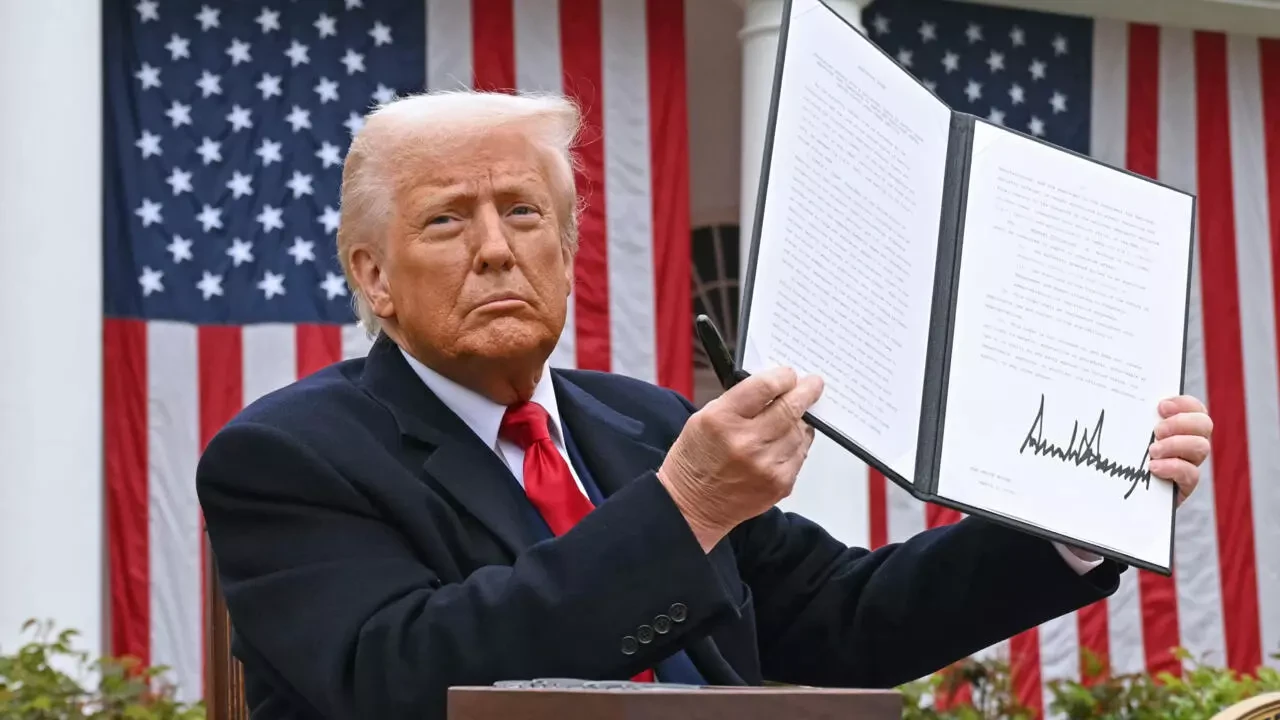
With the deadline effectively extended to August 1, markets face a pivotal week that could reshape supply chains, fuel inflation, and test investors’ nerves.
Key Points at a Glance
Tariff “Last Call”: Letters go out July 7 at 12 pm ET, warning of 7/9 deadline and possible 8/1 tariff rebound.
Scope: Japan, EU, India and nine others face possible duty hikes of 10%–70%.
Extended Timeline: Treasury Sec. Bessent signals that progress by August 1 can avert immediate duties.
Historical Revenue Surge: May customs revenue hit $23.28 billion—triple May 2024’s haul; 2025 YTD tariffs $68.23 billion (↑78%).
Market Reactions: Defensive investments in defense, EM and bond safe‑havens; equity gains tempered by uncertainty.
What’s in Today’s Tariff Letters?
This Monday at noon Eastern, President Trump’s administration will dispatch official “last call” notices to a dozen trading partners, signaling that failing significant progress by July 9 could trigger reinstatement of U.S. tariffs paused 90 days ago.
Treasury Secretary Scott Bessent clarified that if negotiations continue to show momentum, countries have until August 1 to finalize agreements and prevent duties from reverting to April levels. He emphasized that July 9 is not a hard cutoff—progress can push back the effective deadline.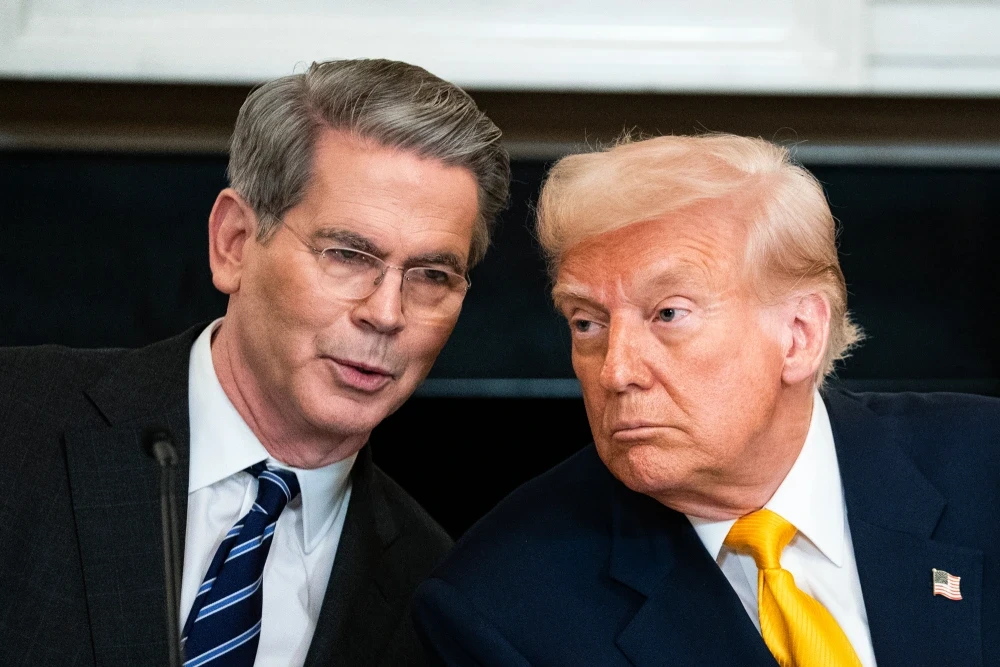
However, official statements stress that any partner lacking tangible advancements by August 1 will face a “rebound” of tariffs to their original punitive rates. These letters set the stage for an intense weekend of diplomatic haggling.
Can Negotiations Beat the Clock?
Analysts note three primary negotiation trajectories:
Last‑Minute Framework Deals: The U.S. and EU may sign a high‑level framework, maintaining a 10% baseline tariff while deferring punitive hikes, similar to the temporary UK accord.
Staggered Extension: Countries showing incremental progress might earn tailored extensions, aligning with Bessent’s “active negotiators” comment.
One‑Size‑Fits‑All: Failing bilateral breakthroughs, the administration may impose uniform tariffs—likely 10% for surplus nations, 25%–50% on persistent deficit partners.
Given prior promises to lift EU duties to 50%, Brussels and Tokyo are racing to secure even a basic pathway agreement to stave off large‑scale penalties.
Scenarios Shaping the Outlook
Optimistic Scenario (30% Probability):
If key partners finalize provisional framework agreements by August 1, the existing tariff moratoriums would be extended.
This outcome would likely trigger a rally in risk assets—boosting equities in developed and emerging markets as investors regain confidence in a stable trade environment.
Neutral Scenario (50% Probability):
Under a mixed outcome, only partial accords are reached and tiered tariffs of 10%50% are applied unevenly.
This patchwork approach would introduce volatility to auto and semiconductor supply chains, prompting investors to seek safety in bonds and gold.
Pessimistic Scenario (20% Probability):
Should full punitive tariffs (up to 70%) be reinstated, we’d see retaliatory measures from the EU and India.
Such escalation could spark a broader trade war, stall global growth, and drive inflation higher—potentially triggering widespread market sell‑offs.
Is Market Uncertainty Already Priced In?
Trade‑policy uncertainty has surged well beyond pre‑Trump levels, according to Northwestern and Stanford researchers tracking newspaper mentions in their daily Trade Policy Uncertainty Index. While U.S. equities rebounded after initial tariff scare sell‑offs, soft data hint at delayed pain:
CEOs are postponing capex and large orders until policy clarity returns.
ISM respondents report “chaos” and factory downtime to buffer against erratic duties.
Foreign investors have shunned U.S. assets, driving the dollar to its worst first‑half performance since Nixon’s 1971 devaluation.
Markets may well have absorbed headline risk, but deeper supply‑chain dislocations and corporate capex delays could undercut growth later this year.
How Are Investors Hedging Their Bets?
Instead of fleeing risk entirely, many governments and firms are channeling funds into defensive strategies. Geopolitical uncertainty has accelerated Europe’s rearmament drive—Germany alone plans a €500 billion infrastructure boost, with defense budgets topping 1% of GDP. The STOXX Aerospace & Defense Index surged 54% in H1, topping 74% in dollar terms.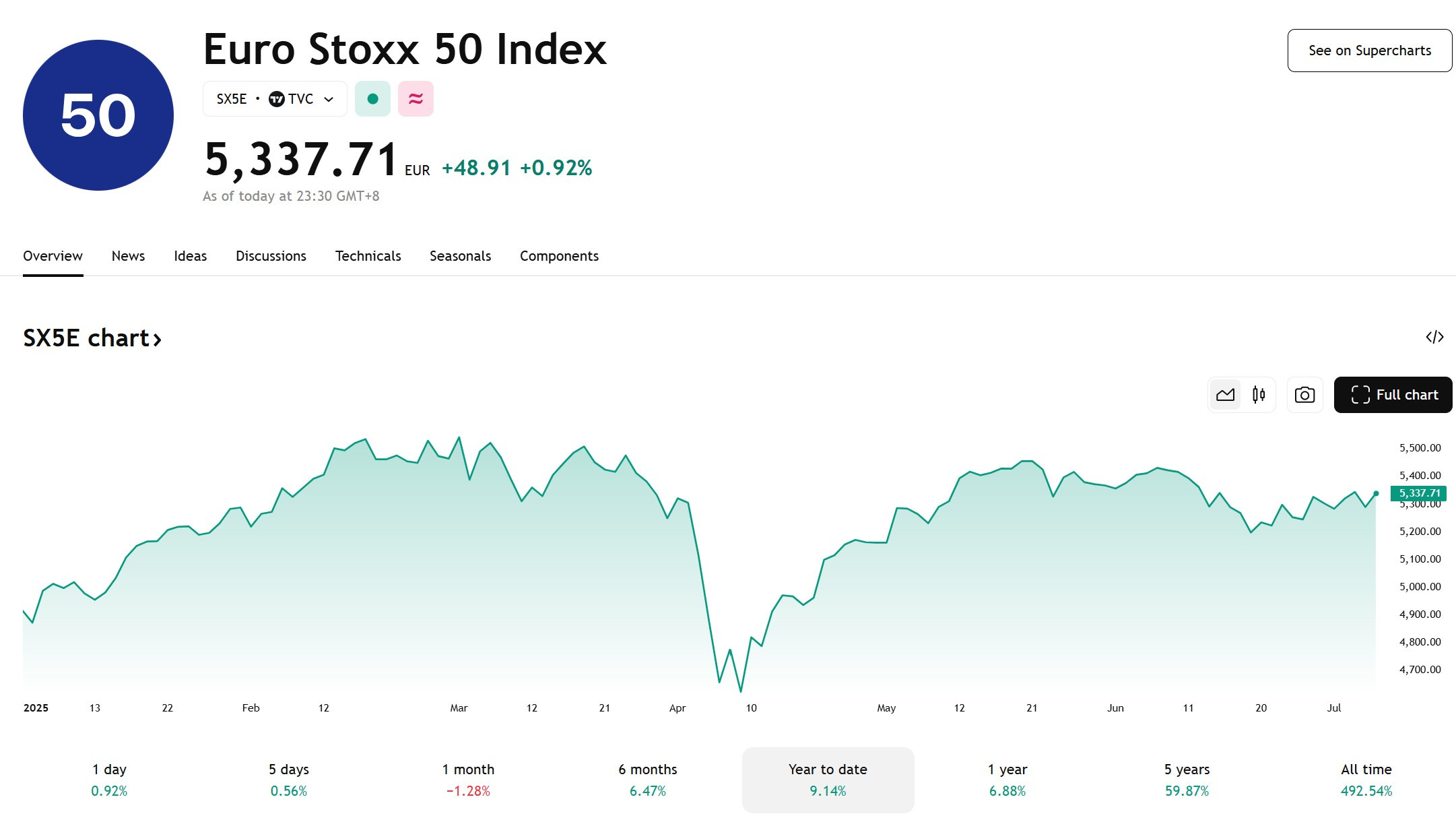
Meanwhile, U.S. companies are front‑loading imports to beat potential August tariffs, keeping headline inflation near target. But any further tariff shocks may push Treasury yields lower and gold prices higher as investors seek safety.
What Lies Beyond the Tariff Deadline?
Even if July 9 passes without sweeping duties, the Trump administration’s pledge to maintain tiered tariff authority suggests chronic trade instability ahead.
Supply‑chain realignments, onshoring initiatives, and sectoral reshoring will persist—reshaping global commerce long after this week’s drama subsides.
In the end, the market’s true test may arrive months down the road, when delayed capex and inventory adjustments collide with fresh uncertainty, revealing whether this tariff ultimatum was a one‑off scare or the opening salvo of a protracted trade conflict.