
Fed’s Rate Cut Dilemma: Will September Mark the Turning Point?

The Federal Reserve’s June meeting minutes, released in the early hours on July 10 , underscored a stark divide over when—and even whether—to start cutting interest rates this year.
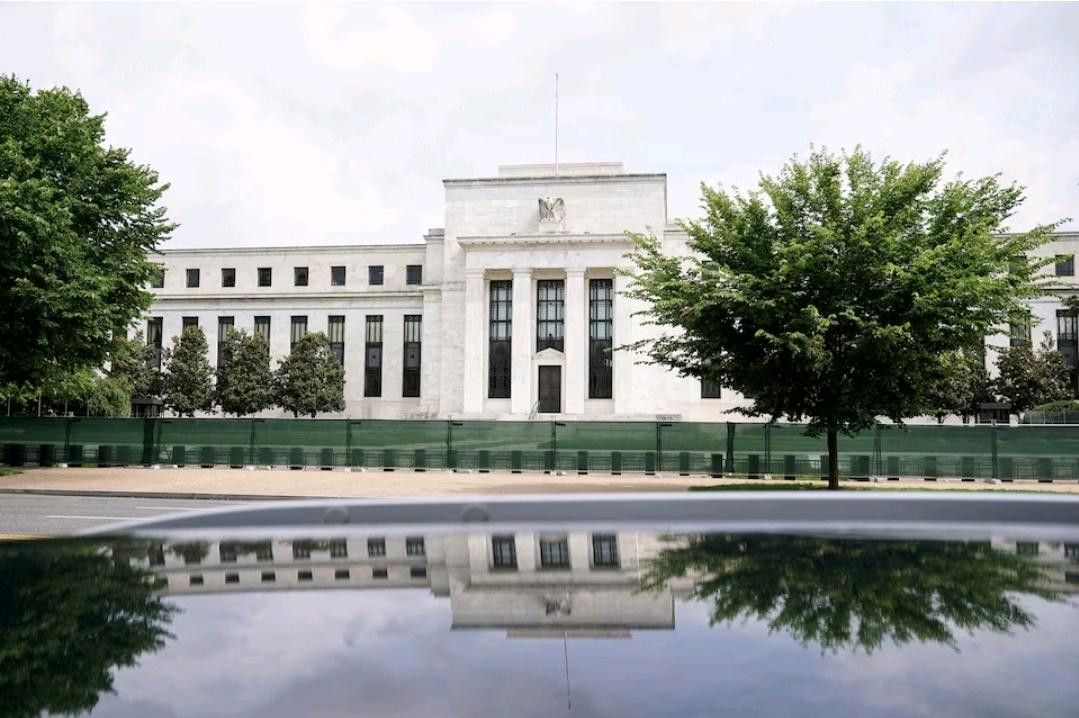
While robust June employment data all but ruled out a July cut, Chair Jerome Powell’s expectation of a summer uptick in inflation has prompted many to eye the September 16–17 meeting as the first viable window for easing policy.
Key Takeaways: What Are the Headlines?
- July Cut off the Table: Payrolls and unemployment data for June were stronger than forecast, extinguishing hopes for a July rate reduction.
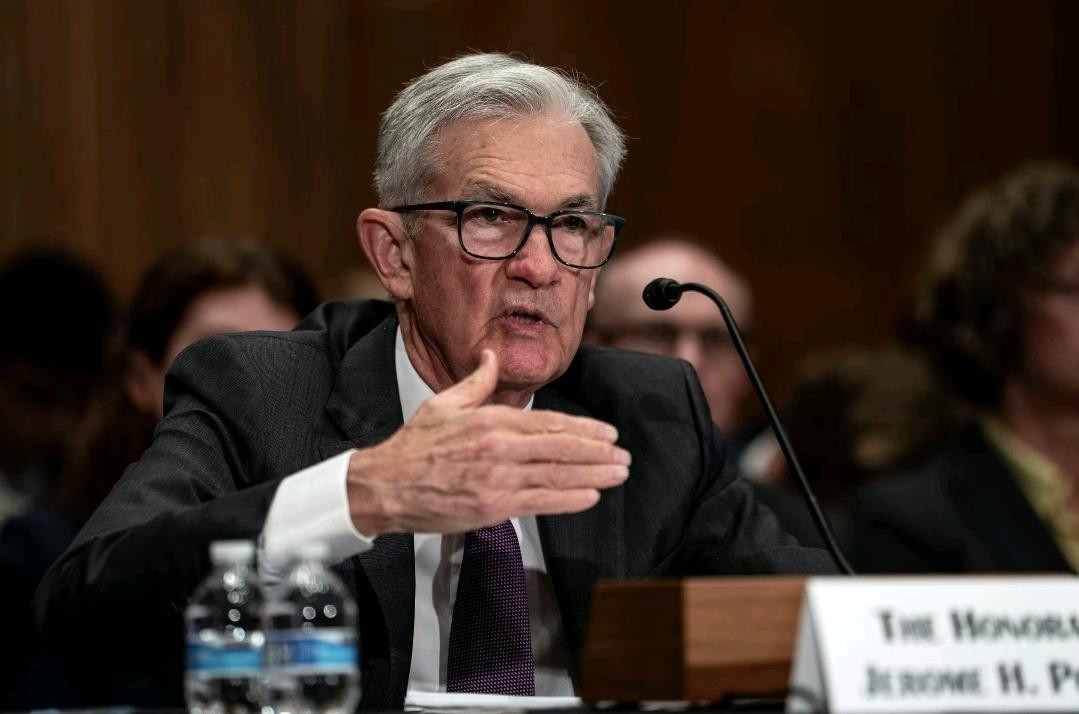
- September in Focus: Powell’s Congressional testimony flagged a possible rebound in consumer prices in June, July and August, implying that September could be the Fed’s first serious opportunity to pivot.
- Internal Split Widens: Seven FOMC participants now expect no cuts this year—up from four in March—while another bloc advocates two to three quarter‑point reductions.
- Citi’s Dovish Bet: Citigroup anticipates the “hold” period ending this summer, with cumulative cuts of 125 bps by March
Fed’s Policy Divergence
The June minutes reveal a Federal Open Market Committee split between hawks and doves. Seven officials argue rates should remain at 4.25–4.50% through year‑end, an increase from four in March, as they cite sticky inflation risks.
Conversely, a growing faction sees limited downsides to easing, pointing to moderating spring inflation readings and tepid global growth indicators.
Meanwhile, Trump‑appointed governors Christopher Waller and Michelle Bowman publicly urged peers to consider rate cuts sooner rather than later.
San Francisco Fed President Mary Daly and Minneapolis Fed President Neel Kashkari have similarly signaled openness to autumn easing. Yet, many remain cautious, awaiting a clearer trajectory for tariffs‑driven price pressures.
Market Reaction Patterns: What Happens After Cuts?
Historical analysis since 1980 finds no consistent equity response to Fed rate cuts. Comparing the Wilshire 5000’s average returns during all trading days versus days surrounding first, fourth, or any cuts shows differences that fail to clear 95% confidence thresholds.
Mark Hulbert’s examination of CME FedWatch probabilities and S&P 500 returns uncovers a surprising positive correlation: days when rate‑cut odds for December 2025 decline often coincide with modest equity gains.
This suggests that markets may interpret higher expected rates as a signal of sustained economic strength, offsetting the anticipated drag of tighter monetary policy.
The Limits of Presidential Influence
Investors betting on immediate rate cuts under a post‑Powell Fed may be overestimating the chair’s unilateral power. The FOMC’s 19 members—12 of whom vote—must reach majority consensus before altering policy.
Even with Trump’s promise to nominate rate‑easing proponents, the new chair must first persuade colleagues across a spectrum of views.
Although outlets list potential successors—Ellen McCarthy, Lael Brainard, David Malpass among them—none can enact swift cuts without committee backing.
Futures traders have shifted bets from pre‑May 2026 Powell exit cuts to post‑exit cuts under a Trump pick, yet FOMC mechanics remain the ultimate constraining force.
Inflation vs. Growth: How Much Is Tariff‑Driven?
A key debate in the minutes centers on the inflationary impact of higher import tariffs. Some policymakers view upticks in prices as transitory, tied to one‑off duties.
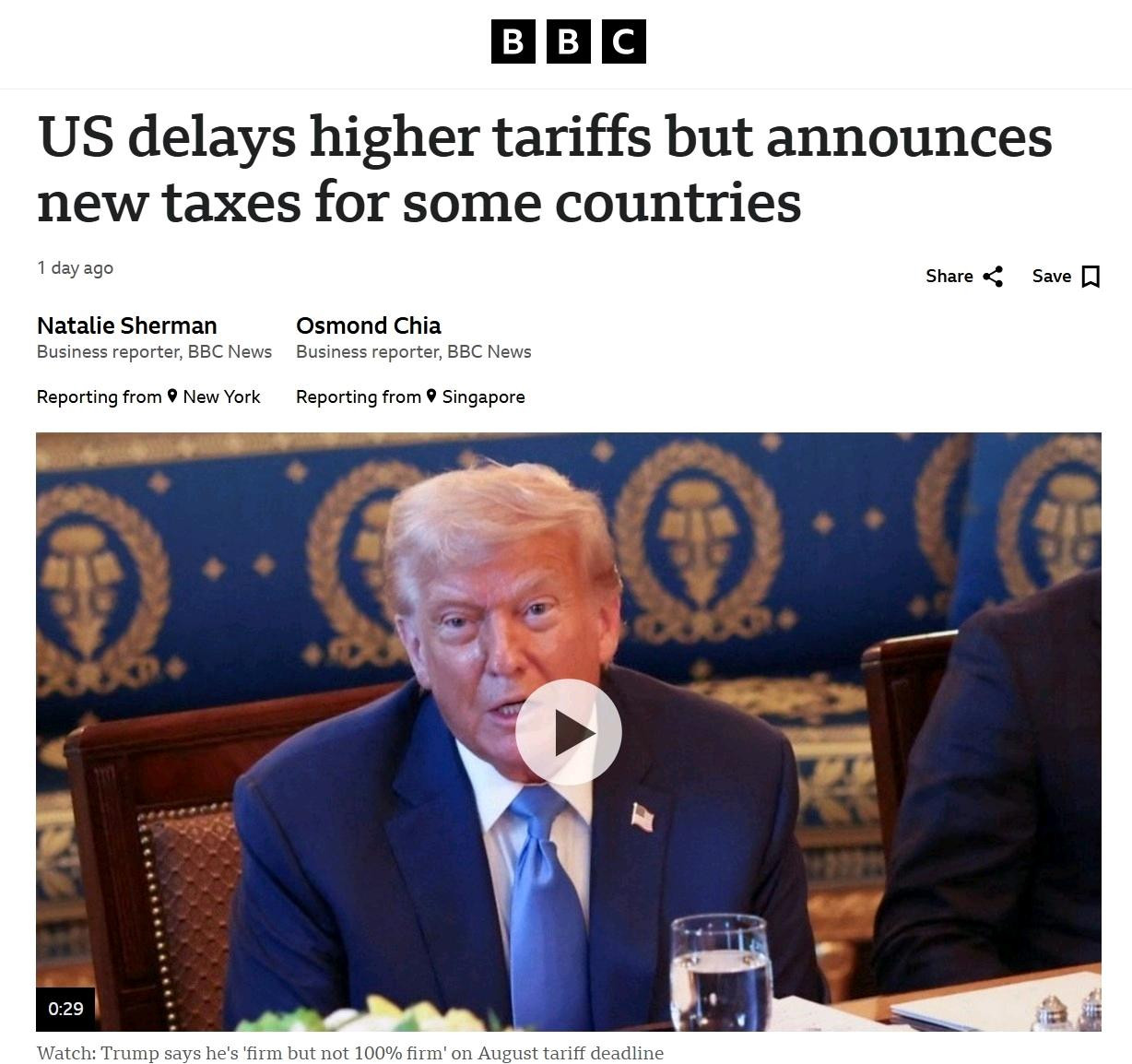
Others caution that sustained tariffs raising overall import costs could entrench inflation, necessitating a more restrictive stance.
UBS warns that if Trump’s latest threats to impose 25% levies on Japanese and Korean goods take effect August 1, the personal consumption expenditures price index could soar above 3.4% by year‑end—well above the Fed’s 2% goal.
Such a shock, they argue, would complicate the timing and magnitude of cuts, as high rates may prove ill‑suited to tame cost‑push inflation.
Conclusion
The Fed’s June minutes lay bare a central bank wrestling with conflicting signals: a resilient labor market on one hand and simmering tariff‑induced price pressures on the other. While robust job gains foreclose a July cut, Chair Powell’s summer inflation forecast hints that mid‑September could provide the first viable easing window.
Yet, with deep divisions persisting within the FOMC and the limits of any new chair’s sway, markets should brace for a cautious, data‑dependent path back to rate cuts—whenever they arrive.