
Earnings Season Showdown: Will Tariffs Derail Growth?

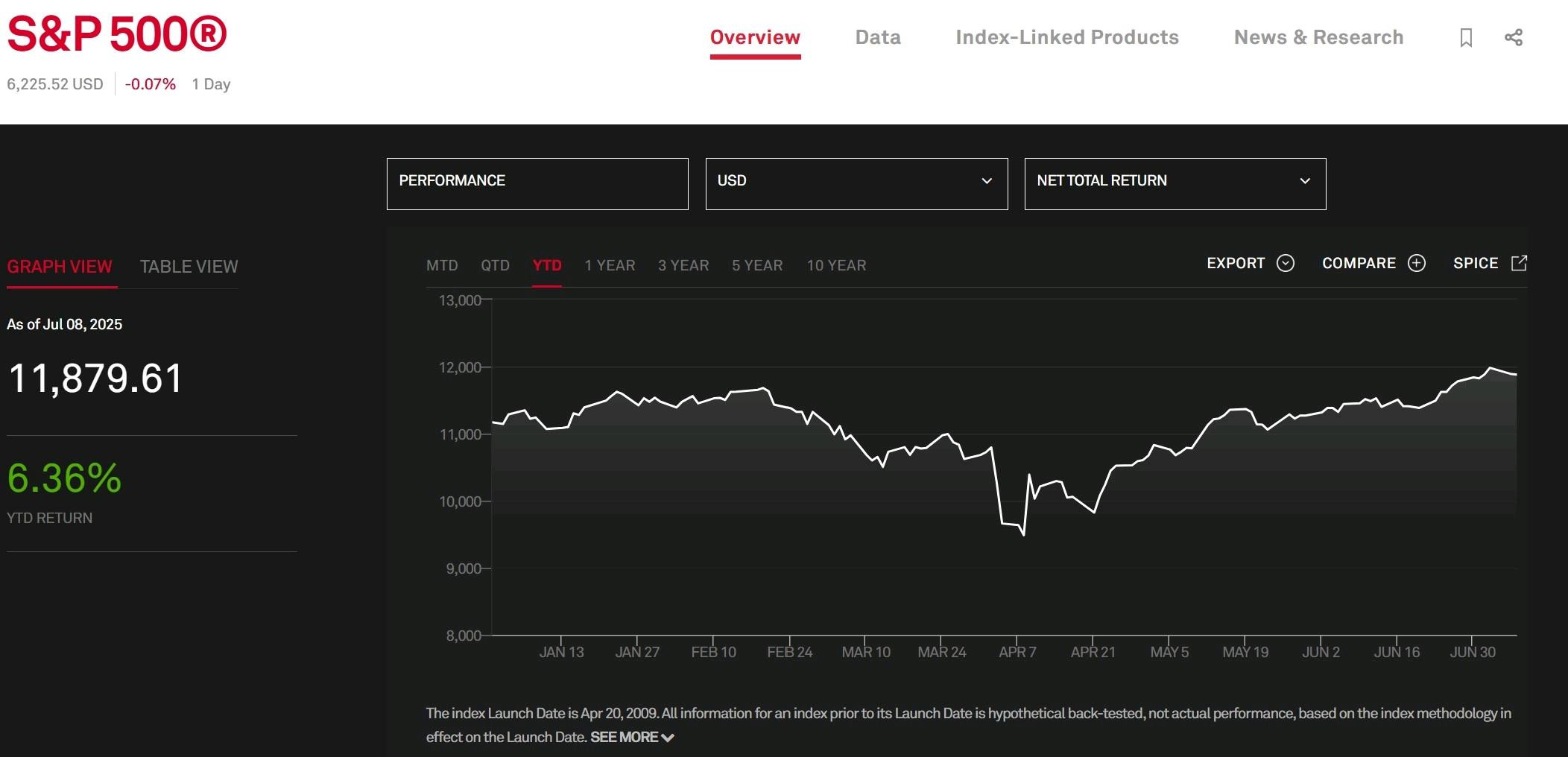
As the curtain rises on Q2 earnings season, analysts are bracing for a marked slowdown in $SPX profit growth to 5.8% year‑over‑year—down sharply from 13.7% in Q1—driven largely by escalating U.S. tariffs under President Trump’s expanding trade war.
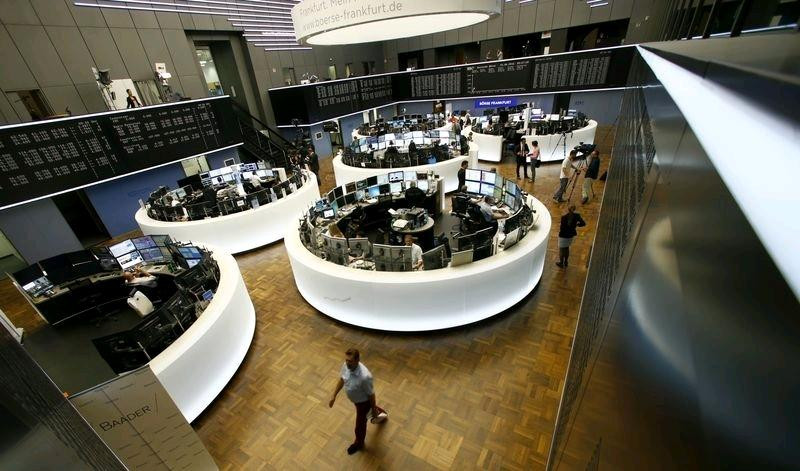
Yet a weaker dollar and resilient corporate guidance may cushion the blow. On the banking front, Morgan Stanley has raised price targets across seven major U.S. banks, forecasting robust trading volumes and renewed share‑buyback plans as capital requirements ease.
Key Points
- S&P 500 earnings growth is forecast at +5.8% in Q2 vs. +13.7% in Q1.
- Tariffs on imports—including a new 50% levy on copper—are setting the stage for higher costs and potential margin pressure.
- The U.S. dollar has tumbled about 7% in Q2 and 10% year‑to‑date, the steepest first‑half decline since 1973.
- Forward P/E for the S&P 500 is ~22×, above its 10‑year average of 18×.
- Tech and communications sectors lead forecast earnings growth at +17.7% and +31.8%, respectively.
- Morgan Stanley raised price targets for GS, JPM, C, RF, PNC, USB, and TFC, citing re‑energized capital markets and lower stress‑test buffers.
- Goldman Sachs: Q2 EPS seen at $10.00 vs. street $9.62, driven by IB fees +20% YoY and wealth management gains.
- JPMorgan: Q2 EPS seen at $4.85 vs. consensus $4.46, on higher transaction fees and lower provisions.
What’s Next for S&P 500 Profits?
Analysts predict Q2 earnings growth will slow to 5.8%, a steep drop from Q1’s 13.7%, amid mounting tariff headwinds and policy uncertainty.
Companies in auto, transportation, and durable goods have already trimmed forecasts since early April’s “Liberation Day” tariff announcement.
Yet many firms beat lowered guidance in Q1, suggesting underlying resilience. According to LSEG, S&P 500 constituent forecasts have been cut by 4.4 percentage points in the last three months—slightly above the three‑year average revision of 3.5 points. Lower benchmarks could make it easier for firms to exceed expectations again this quarter.
Tariffs Loom Large
President Trump’s recent tariff escalations add complexity. On August 1, 14 countries—including Japan and South Korea—face higher levies, and a 50% tariff on copper takes effect soon. Spreadsheets may show copper cost jumps eating into industrial profit margins.
Tariffs may ultimately drive prices higher and growth slower, even as trade talks linger. Chase Investment Counsel’s Peter Tuz warns that tariff chatter alone could delay corporate spending and hiring decisions through uncertain policy shifts.
Can Banks Deliver Another Strong Quarter?
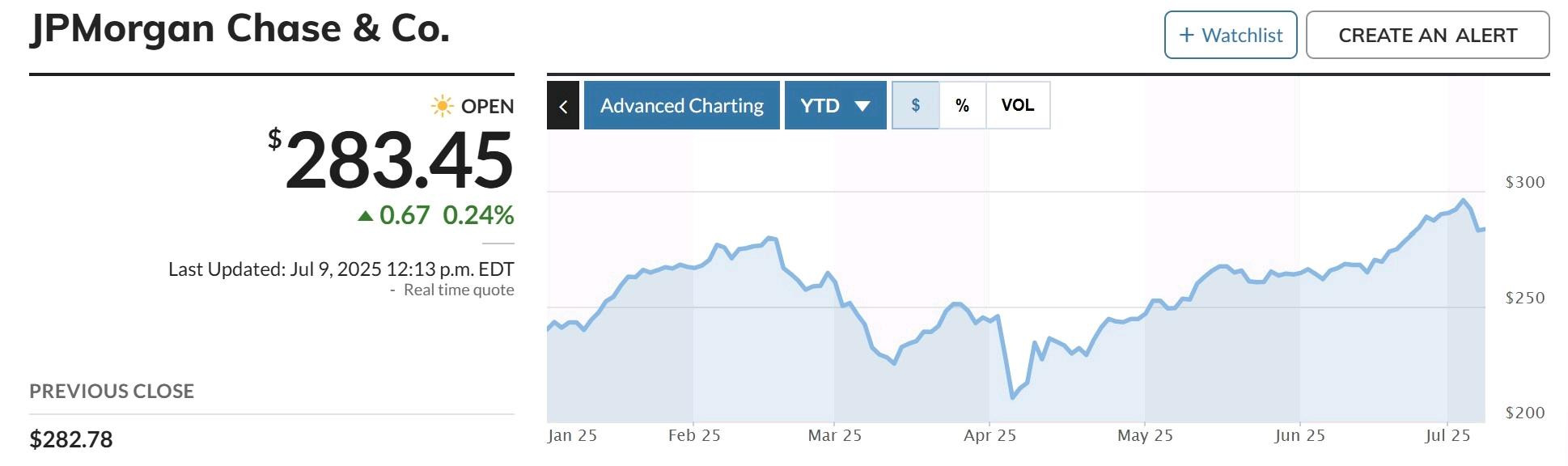
Before major U.S. banks kick off earnings next week, Morgan Stanley lifted price targets for seven institutions, citing capital market momentum. GS and JPM receive “hold” ratings with targets of $680 and $296, respectively.
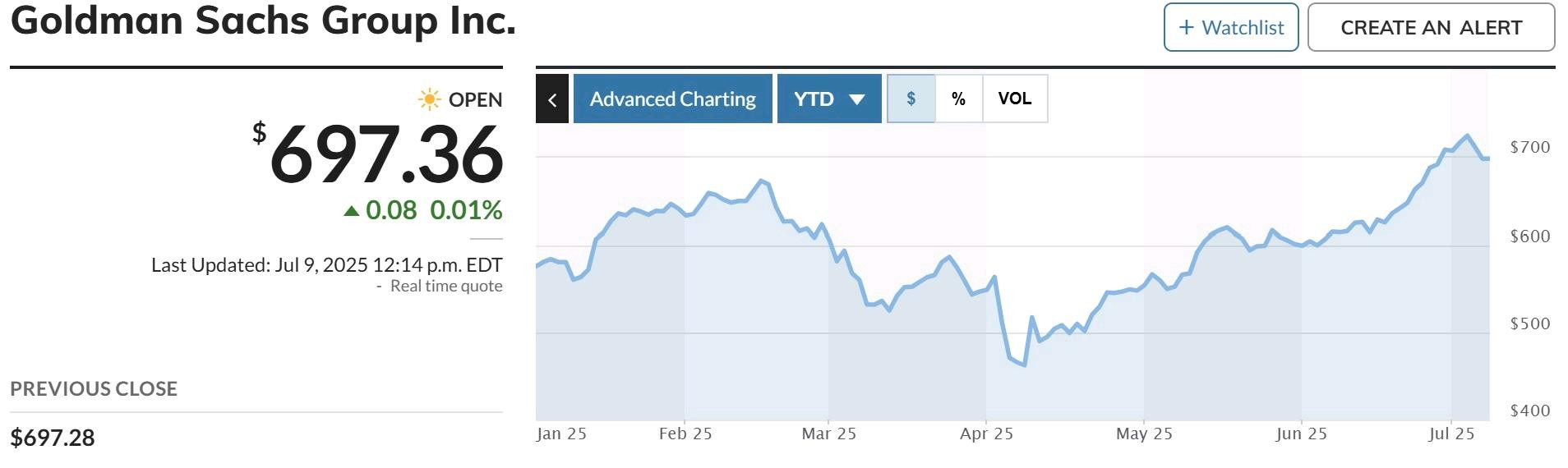
MS expects Goldman to post $10.00 EPS—4% above the $9.62 consensus—powered by a 20% jump in IB fees, 60% surge in M&A deal volumes, and wealth management revenue growth.
For JPM, EPS is forecast at $4.85, 9% ahead of the $4.46 consensus, as transaction‑fee revenue climbs and reserves fall.
Capital Plans Take Center Stage
Post‑stress‑test buffers have freed an estimated $410 billion in excess capital at large banks—up 26% from $1560 billion to $1970 billion. Executives are poised to outline stock‑buyback strategies and management buffer decisions in upcoming earnings calls.
With lower capital requirements, investors will zero in on how quickly banks redeploy this surplus—be it via loan growth, dividends, or buybacks.
Questions will also swirl around proposed eSLR tweaks and whether banks like Goldman, State Street, and BNY Mellon can operate with less preferred equity.
Where Do We Go from Here?
Bullish strategists highlight two offsetting forces: tariffs that push costs up, and a weak dollar that boosts overseas revenue when translated back to dollars.
DataTrek’s Nicholas Colas notes that many S&P constituents have beaten conservative expectations and that the market’s record highs suggest investors share this optimism.
As the earnings reports roll in, watch for surprises to the upside in both corporate and banking sectors. If companies shrug off tariffs and banks deliver on capital returns, the Q2 season could reinforce market gains—at least for now.