
Market Calm Amid Tariff Tempest: Are Investors Complacent?

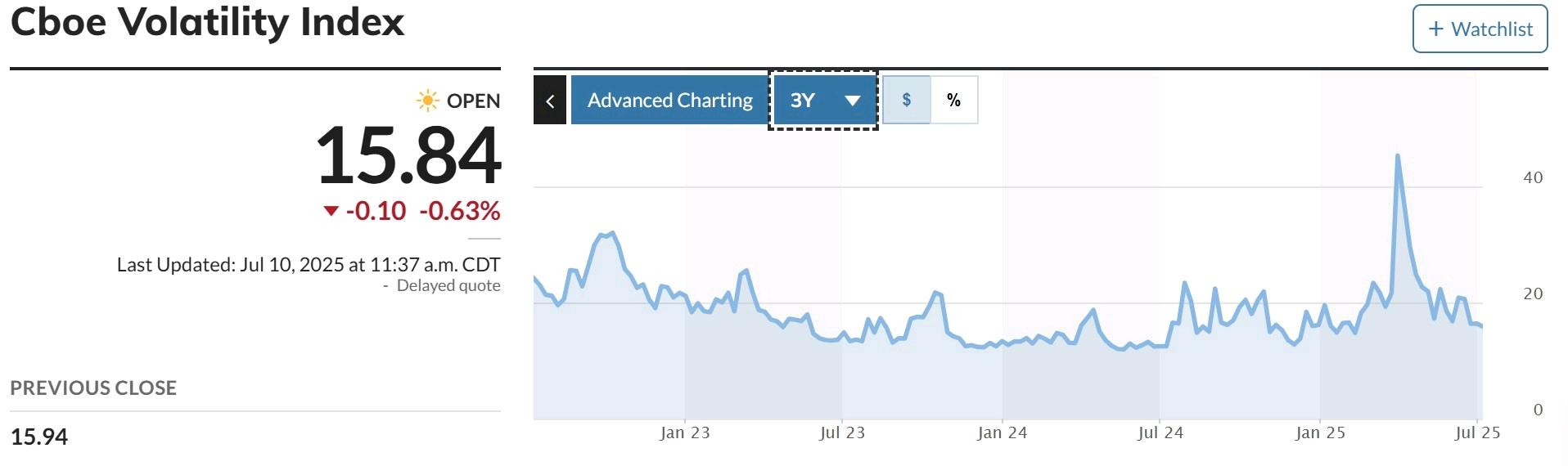
Despite fresh tariff threats from President Trump, U.S. equities have surged to record highs while volatility plunges to year-to-date lows. The CBOE Volatility Index (VIX), a gauge of $SPX expected swings, recently dipped to 16—well below its long‑term average near 20.
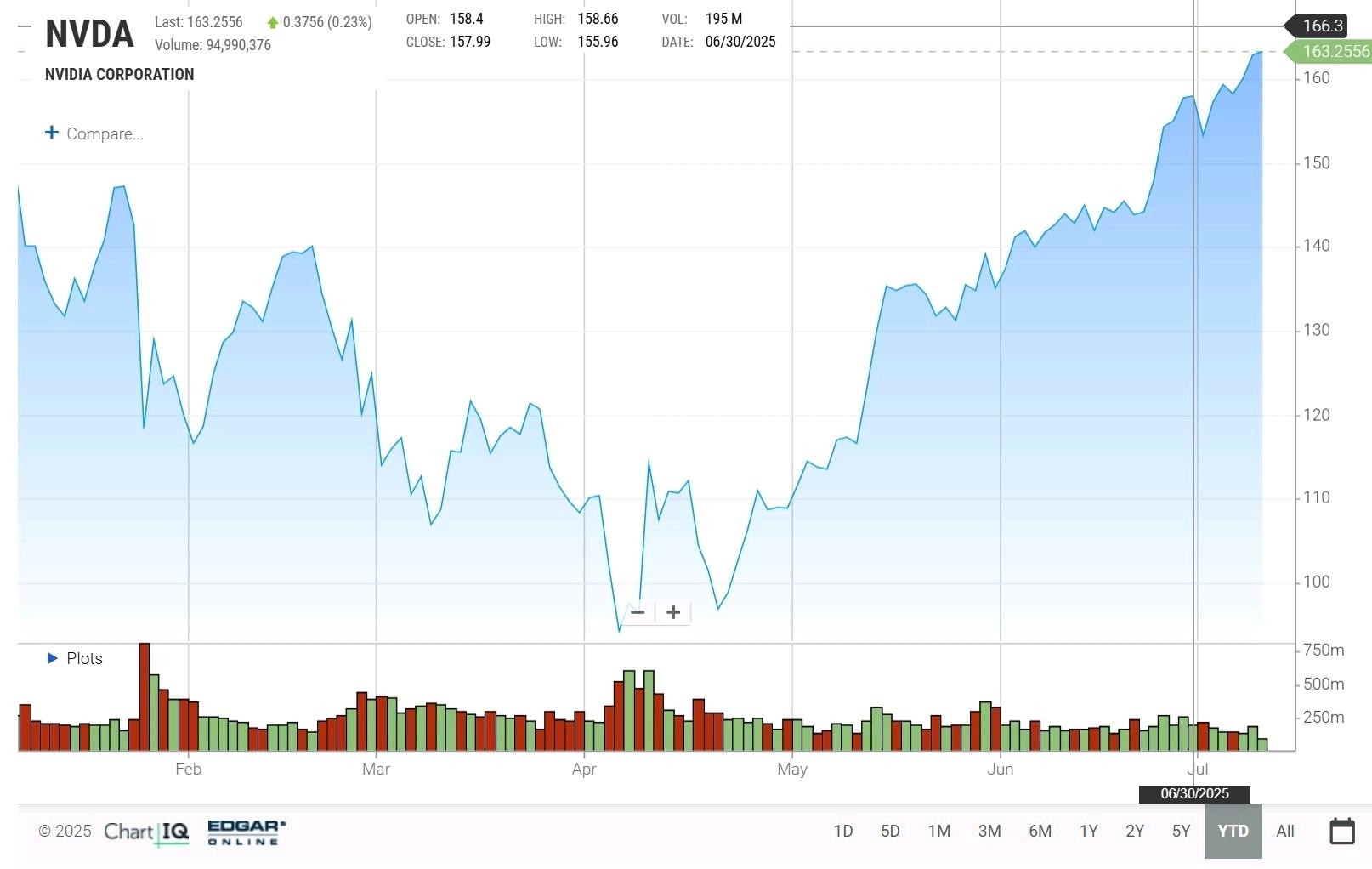
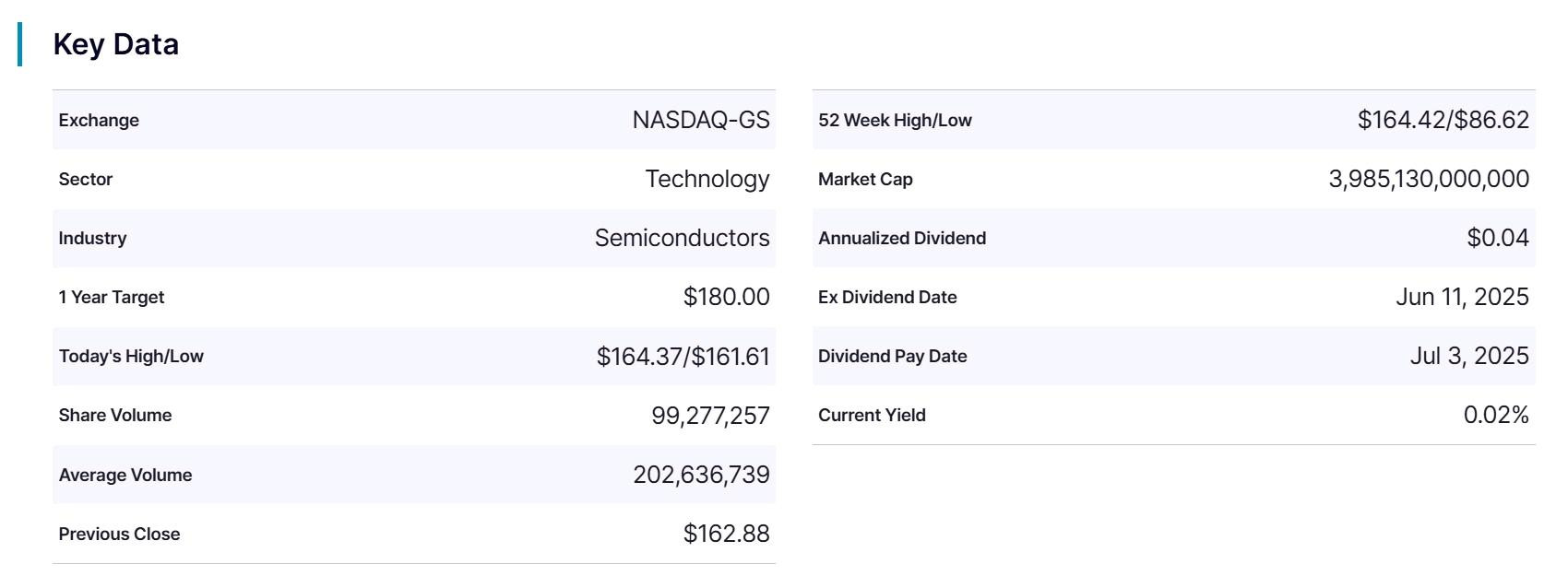
Treasury‑market volatility measures have similarly slumped to three‑year troughs. Tech giant $NVDA briefly topped an unprecedented $4 trillion valuation, emblematic of the broader rally.
Investors appear convinced that, ultimately, tariffs will be delayed or softened to avert damage to economic growth.
Key Points
- VIX at 16: Near its lowest level this year, signaling subdued equity‑market jitters.
- Bond‑Vol Measures Low: Treasury‑market implied volatility close to three‑year lows.
- NVIDIA at $4 T: Reached an all‑time high market capitalization, anchoring the tech surge.
- “TACO” Trade Prevails: Many now wager on “Trump Always Chickens Out,” expecting tariff retreats.
- May 12 Pivot Point: China’s 34% tariff on U.S. goods cut to 10%, with higher levies paused for 90 days.
- Investor Warnings: Some fear complacency may leave portfolios exposed if tariffs bite harder than priced in.
- Fed Under Fire: Trump’s social posts demand swifter rate cuts to reflect stock‑market strength and “no inflation.”
Why Has the VIX Fallen so Low?
The VIX measures short‑term option‑market expectations of $SPX volatility. After each round of tariff threats, markets initially wobbled—but quickly recovered as investors grew skeptical of full implementation.
By mid‑June, the index hovered around 16, down from peaks near 25 earlier this year. With economic data steady and earnings season looming, traders have priced in far less risk than the headlines suggest. Yet history shows that complacency can reverse rapidly if policy rhetoric turns to reality.
Could the ‘TACO’ Trade Backfire?
Named for the belief that “Trump Always Chickens Out,” the TACO trade reflects wagers that any announced tariffs will be delayed, scaled back, or renegotiated once markets react.
HSBC’s Max Kettner notes: “I don’t worry about tariffs anymore—it’s self‑inflicted. What’s to stop them from saying, ‘Let’s give it three more months?’”
But skeptics warn that repeated threats could gradually erode goodwill or embolden the administration to follow through, especially if markets remain impervious.
Valuations on the S&P 500 now stand at about 24x forward earnings, near all‑time highs—leaving little margin for error.
Is the Fed Running Out of Options?
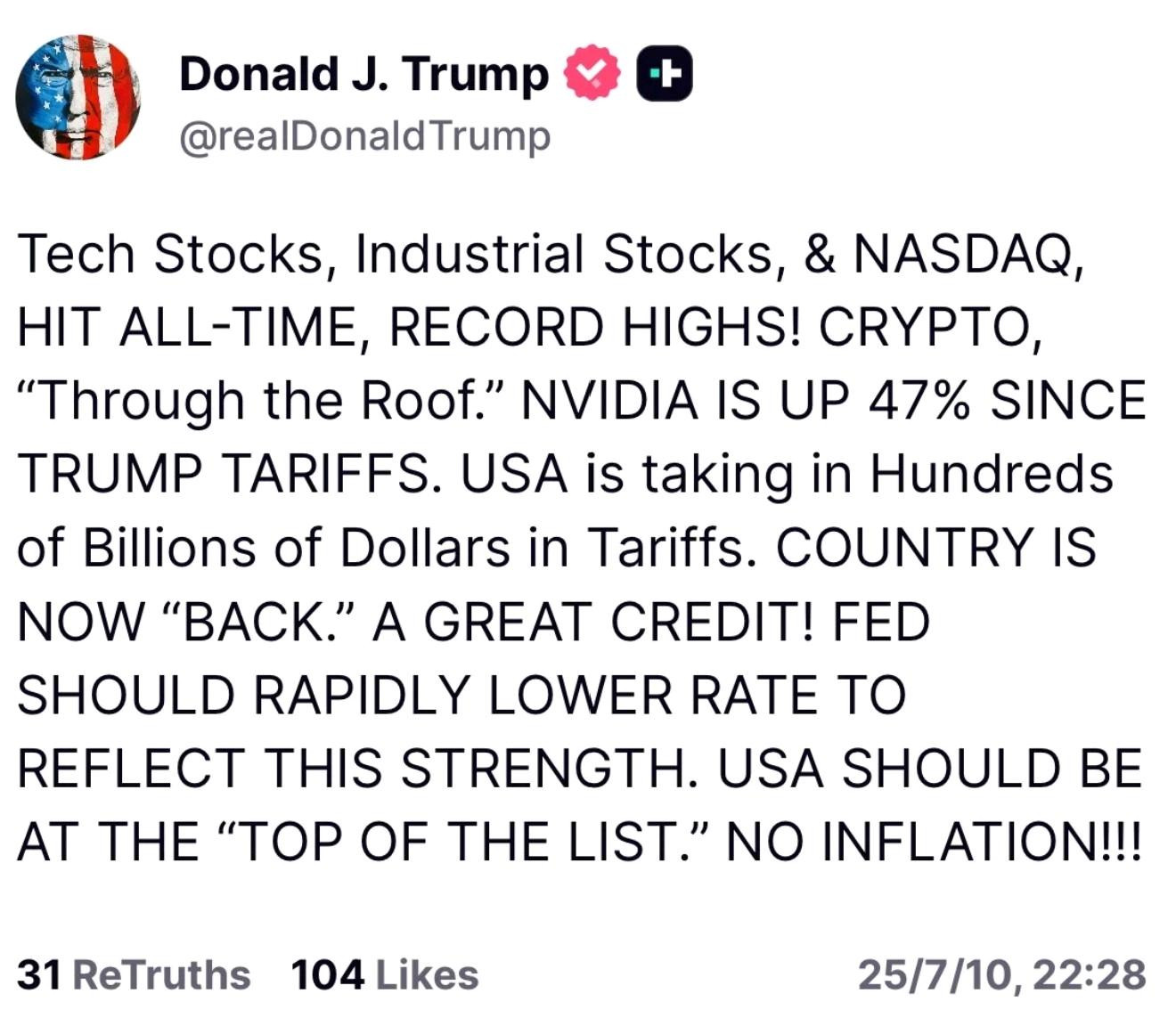
President Trump has publicly urged Fed Chair Powell to slash rates, tweeting that U.S. stocks, industrials, the Nasdaq, and even cryptocurrencies are hitting new peaks under his tariff regime.
He claims NVIDIA’s stock rose 47% since tariffs began and that tariffs have generated “hundreds of billions” in revenue—“no inflation!” He’s suggested appointing a “shadow Fed chair” to pressure policy direction.
Yet with inflation still running modestly below target and the labor market tight, the Fed must balance political heat against its dual mandate.
Balancing Optimism and Caution
Major banks—Goldman Sachs, JPMorgan, Barclays, Citi, and Deutsche Bank—remain bullish on U.S. equities, betting on earlier Fed rate cuts that could push bond yields lower and underpin corporate profits.
However, with global indices in record territory and volatility at multi‑year lows, investors should heed warnings about overstretched valuations.
Nordea’s Kasper Elmgreen cautions: “We’ve experienced one of the largest tariff increases in memory, yet markets have treated the fallout with uncommon ease. My worry is a lack of worry.” As traders cheer each tweet, the true test may arrive when rhetoric turns to real‑world economic friction.