
Delta Air Lines Surprises the Market with a Strong Quarter and Reinstates Full-Year Forecast

$DAL just gave Wall Street something to cheer about. The airline delivered better-than-expected earnings for the second quarter and, more importantly, brought back its full-year outlook after pulling it in April. Investors responded with enthusiasm—shares jumped more than 10% in premarket trading on Thursday.
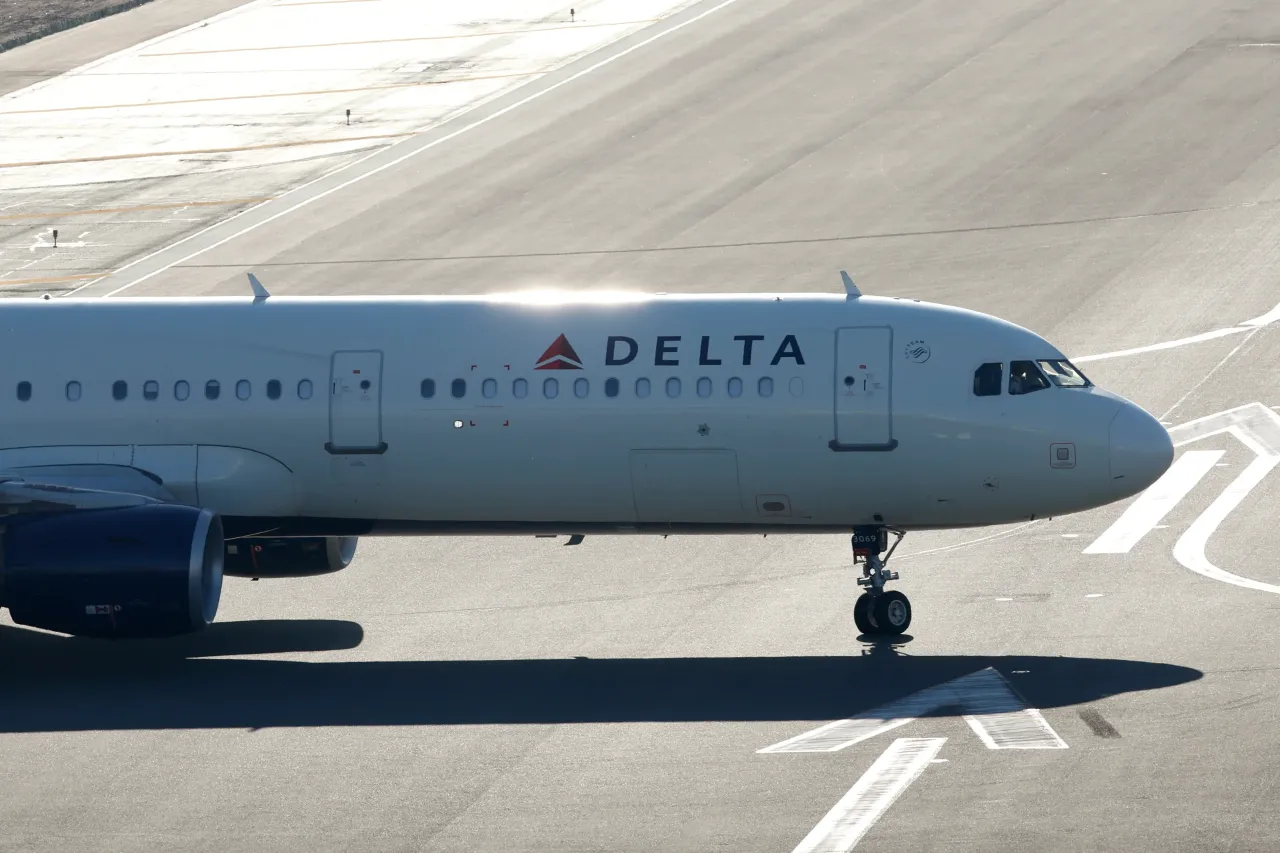
Earnings beat and a new dose of confidence
For the quarter, Delta reported adjusted earnings of $2.10 per share on revenue of $15.5 billion. That narrowly beat analyst estimates of $2.06 per share and signals that the airline is handling a challenging environment better than expected.
More significantly, Delta reinstated its full-year earnings guidance, projecting 2025 earnings between $5.25 and $6.25 per share. While that’s lower than its January estimate of over $7.35, it still came in above Wall Street’s consensus forecast of $5.38. In short, Delta appears to believe that the worst is behind it and that the path forward is finally becoming clearer.
President Glen Hauenstein summed it up this way: “Demand trends have stabilized at levels similar to last year, and our high-margin revenue streams continue to show resilience.”
Why did Delta pause guidance in the first place?
Back in April, Delta surprised investors by withdrawing its full-year outlook just days after President Trump announced sweeping new tariffs on countries around the world. The sudden policy shift threw travel-related forecasts into disarray and created uncertainty around consumer demand, especially for international routes.
Pulling guidance is rare for a company like Delta—it’s typically a sign that the company is unsure about near-term visibility. Reintroducing it now is a clear message: things are stabilizing.
Airline stocks are bouncing back, but the road remains bumpy
Airline stocks have had a rough ride this year. Delta shares are still down about 16% year-to-date. But since hitting a low in April, they’ve rallied more than 47%, recapturing investor interest as macro pressures began to ease.
Other major airlines haven’t fared much better. United Airlines is down 17% this year, American Airlines has fallen 34%, and even Southwest Airlines has only managed a modest 2.7% gain.
Still, investor sentiment is slowly improving—though not without hesitation. The next big test will be how the industry performs during peak summer travel season, and whether consumers keep spending in the face of rising prices and economic uncertainty.
Pricing pressure remains the big risk
Citi analyst Stephen Trent cautioned this week that macro uncertainty—especially related to U.S. consumer spending—could keep clouding the near-term picture. He’s particularly concerned about the third quarter, which may still face pressure from soft pricing and cautious consumers. But he believes things could turn around by the end of the year, especially if the Federal Reserve starts cutting interest rates in 2026.
“We could see a reset in investor expectations heading into next year,” Trent wrote. “That would support Buy-rated names like United, American, and Delta.”
2025 is shaping up to be a transition year
Tom Fitzgerald, an analyst at TD Cowen, echoed that sentiment. He sees continued pricing weakness across the airline sector in the short term but notes that some carriers have flagged more stable demand recently. United is his top pick, but he also holds a Buy rating on Delta with a $55 price target.
“We don’t expect these stocks to really take off until there’s more clarity on consumer demand and pricing heading into 2026,” he wrote. “This year increasingly looks like a lost one.”
Delta’s strong quarter is about more than just beating earnings. It signals a shift in tone—one that says the skies ahead may not be completely clear, but at least the storm is passing. For long-term investors, this kind of clarity matters. It doesn’t mean we’re heading back to the boom years of post-pandemic travel, but it does suggest that the worst-case scenarios are less likely.