
Inflation Signals Blur the Path: Is the Fed on Hold or Heading for Cuts?

U.S. June CPI data delivered a mixed bag: headline inflation accelerated to a 2.7% year-over-year gain—the strongest since February—while core CPI rose 2.9% Y/Y and 0.2% month-over-month, aligning with the Fed’s 2-3% comfort zone.
Tariff-hit categories like furniture and toys saw their biggest lifts in years, yet declines in used-car and airfare prices tempered overall pressure. Markets pared rate-cut bets for July, shifting expectations to September and beyond.
Key Points:
- Core Inflation Meets Targets: Core CPI +2.9% Y/Y; +0.2% M/M—on-target but insufficient for July easing.
- Tariff Effects Emerging: Furniture (+1.0%) and toys (+1.8%) posted largest monthly jumps since early 2022 and 2021.
- Offsetting Price Drops: Used cars, new vehicles, and airfares fell, keeping core data subdued.
- Energy & Food Pressures: Gasoline +1.0% M/M; energy +0.9%; “food at home” +0.3% M/M, +2.4% Y/Y.
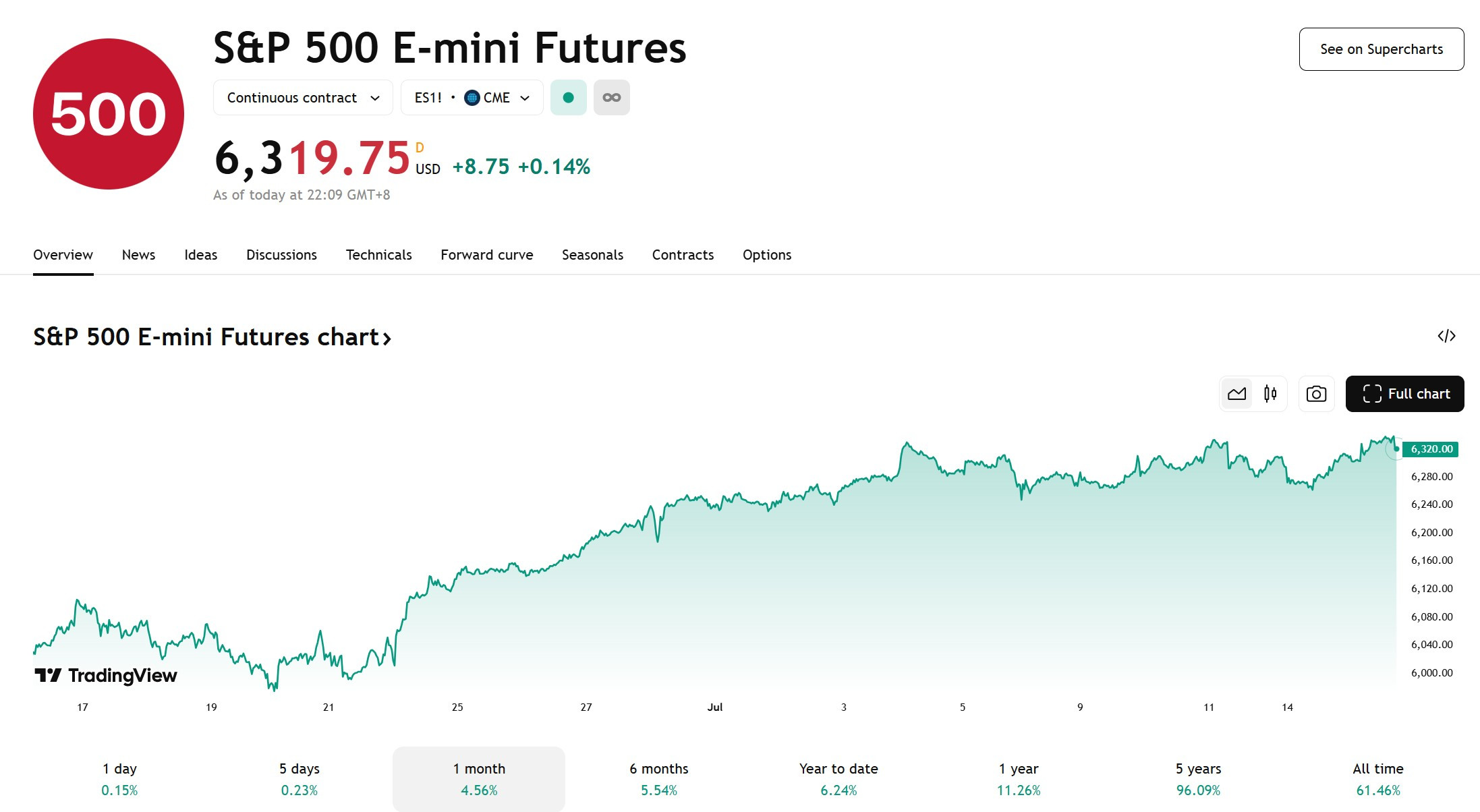
- Market Reaction: S&P 500 futures +0.5%; Nasdaq futures +0.7%; Treasury yields declined, especially at the long end.
- Fed Timing Shifted: Traders now assign a 62% probability of a September rate cut, with nearly two 25 bp cuts priced in by year‑end.
What Lies Beneath the Numbers?
June’s so-called “super-core” CPI (excluding housing services) ticked up 0.36% month-over-month—the highest since February—but stayed below its early-year peaks.
The uptick suggests businesses are beginning to pass tariff costs to consumers, though broad goods inflation remains muted as spending pivots back to services.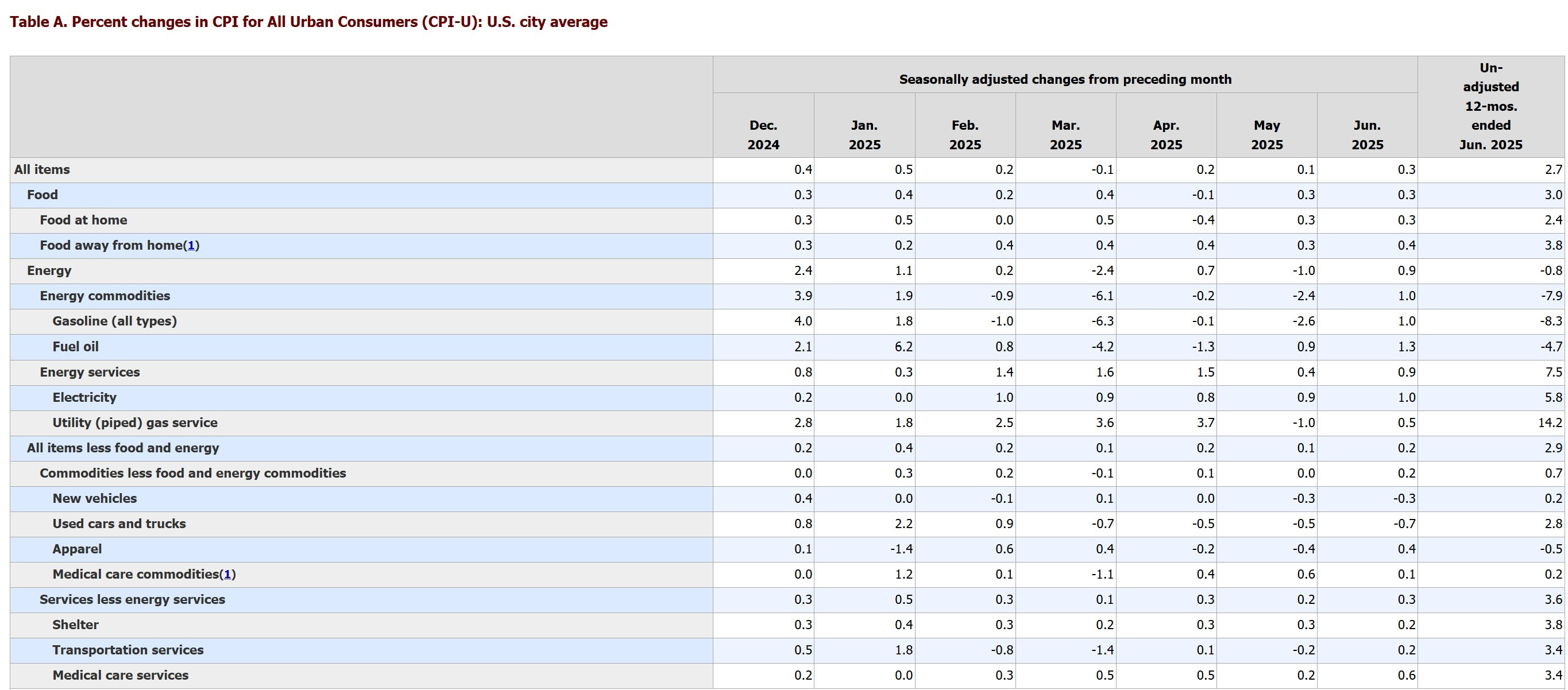
Which Categories Steered the Results?
Tariff‑affected segments led gains: furniture prices jumped 1.0% M/M—the biggest since January 2022—and toy prices surged 1.8%, their highest since April 2021.
Meanwhile, used cars and trucks, along with new‑vehicle costs, continued to ease. Airfare declined again, and auto insurance inflation slowed to 6.1% Y/Y, the smallest gain since June 2022.
How Are Households Feeling the Squeeze?
Energy costs rose 0.9% on the month, driven by a 1.0% increase in gasoline prices—the largest since January. Grocery bills climbed too: “food at home” prices were up 0.3% M/M and 2.4% Y/Y.
These gains compound pressures on stretched household budgets, even as core goods see mixed trends.
Why Markets Are Dialing Back July Cuts
Futures markets trimmed odds of a July rate cut after the data, with traders shifting bets to September.
A 62% probability now attaches to a 25 bp September cut, and nearly two cuts are expected before year‑end. Treasury yields fell across maturities, reflecting renewed caution on monetary policy timing.
What Experts Are Saying
Goldman’s Kay Haigh sees only early signs of tariff pass‑through, calling underlying inflation still “tame” but flagging July–August CPI as pivotal.
WisdomTree’s Seema Shah warns that full tariff impacts could take months to emerge, arguing that Fed patience through summer is prudent. Bloomberg Economics expects a strong core PCE reading at end‑July, likely keeping the Fed on hold until December.
Could Consumer Weakness Tip the Balance?
Renaissance Macro’s Neil Dutta highlights soft service‑price trends—from hotels to dining out—as evidence of consumer fragility.
That mixed inflation picture leaves the Fed walking a tightrope: easing too soon risks reigniting price pressures, while delaying cuts may dampen growth as households wrestle with high energy and food bills.