
Gigawatts and Geopolitics: Is the AI Compute Race Entering a New Era?

The AI infrastructure landscape is undergoing seismic shifts. CoreWeave’s announcement of a $6 billion investment to build a massive, gigawatt-scale data center in Pennsylvania underscores soaring demand for cloud‑based AI compute.
Meanwhile, NVIDIA’s return of its H20 AI GPU to the Chinese market after export restrictions signals a new phase in global AI chip availability. Together, these developments spotlight intensifying competition among cloud-compute providers and chipmakers—and raise critical questions about margins, supply chains, and geopolitical strategy.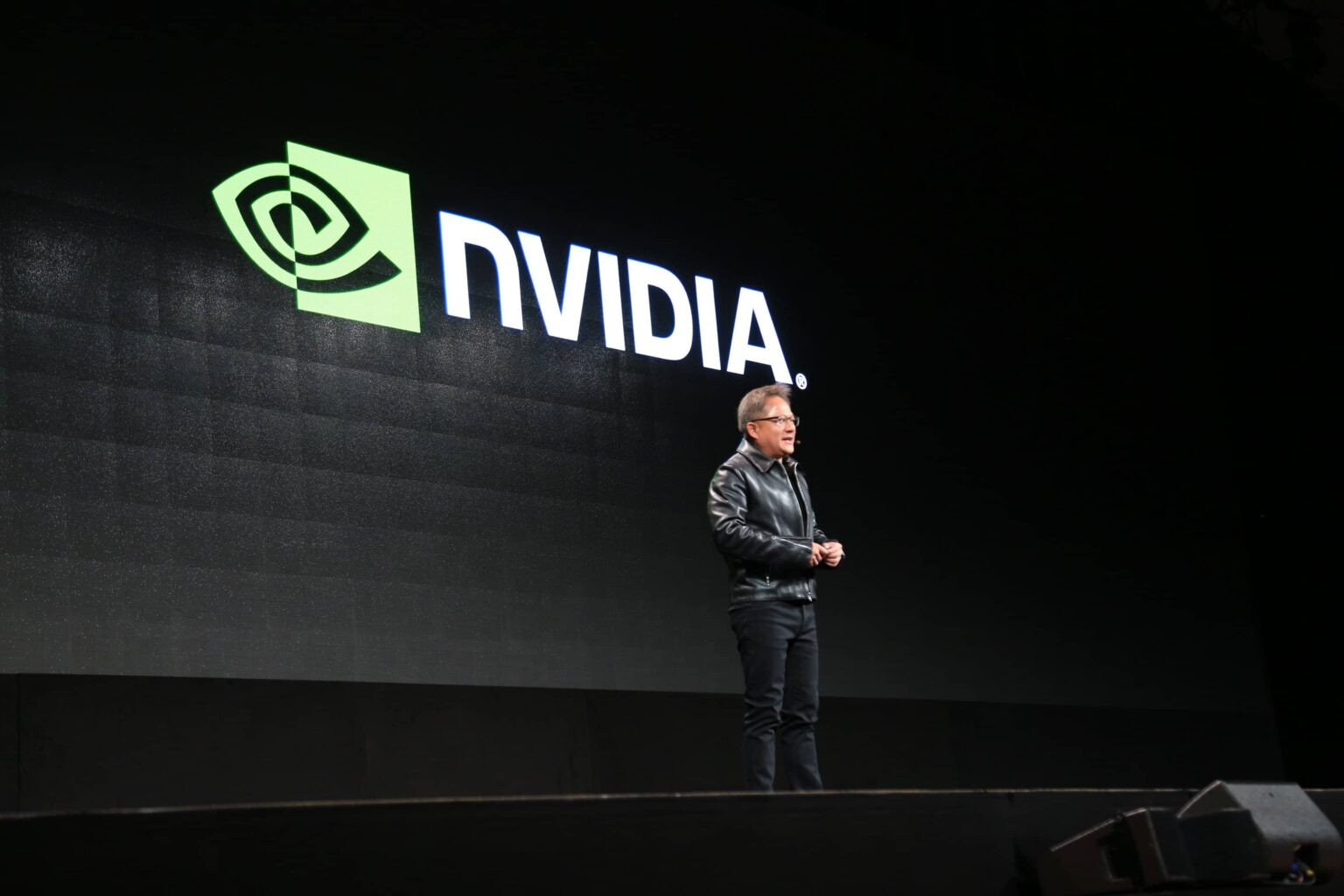
Key Points:
- CoreWeave’s $6 Billion Bet: Plans a 100 MW data center in Lancaster, PA (expandable to 300 MW), creating 600 construction jobs and 175 permanent roles.
- Gigawatt‑Scale Ambitions: CEO Michael Intrator envisions “gigawatt-level” deployments to meet hyperscale AI model training needs.
- NVIDIA H20 in China: U.S. approval resumes H20 AI GPU shipments, boosting Chinese cloud and data‑center stocks by up to 17%.
- Earnings & EPS Upside: Analysts estimate every $10 billion of H20 sales to China could add $0.25 EPS for NVIDIA.
- Strategic Partnerships: AWS‑SK Korea deal and Meta’s multi-billion-dollar AGI‑focused centers illustrate broader AI infrastructure stakes.
- Market Reactions: CoreWeave shares jumped over 6% pre‑market; NVIDIA rallied nearly 5%, hitting new highs.
Why Is CoreWeave Doubling Down on AI Compute?
CoreWeave, one of the first cloud providers to scale NVIDIA GPUs for AI, is racing to expand its capacity nationwide. The company announced a plan to invest up to $6 billion in a new data center park near Lancaster, Pennsylvania, initially provisioning 100 MW of power for AI workloads.
CEO Michael Intrator notes that three years ago, 10 MW deployments were cutting‑edge; today, customers demand “gigawatt-scale” solutions to train the largest AI models. This Lancaster site, developed with Chirisa Technology Parks and Machine Investment Group, aims to host next‑generation NVIDIA Blackwell Ultra GPUs and NVL AI server racks.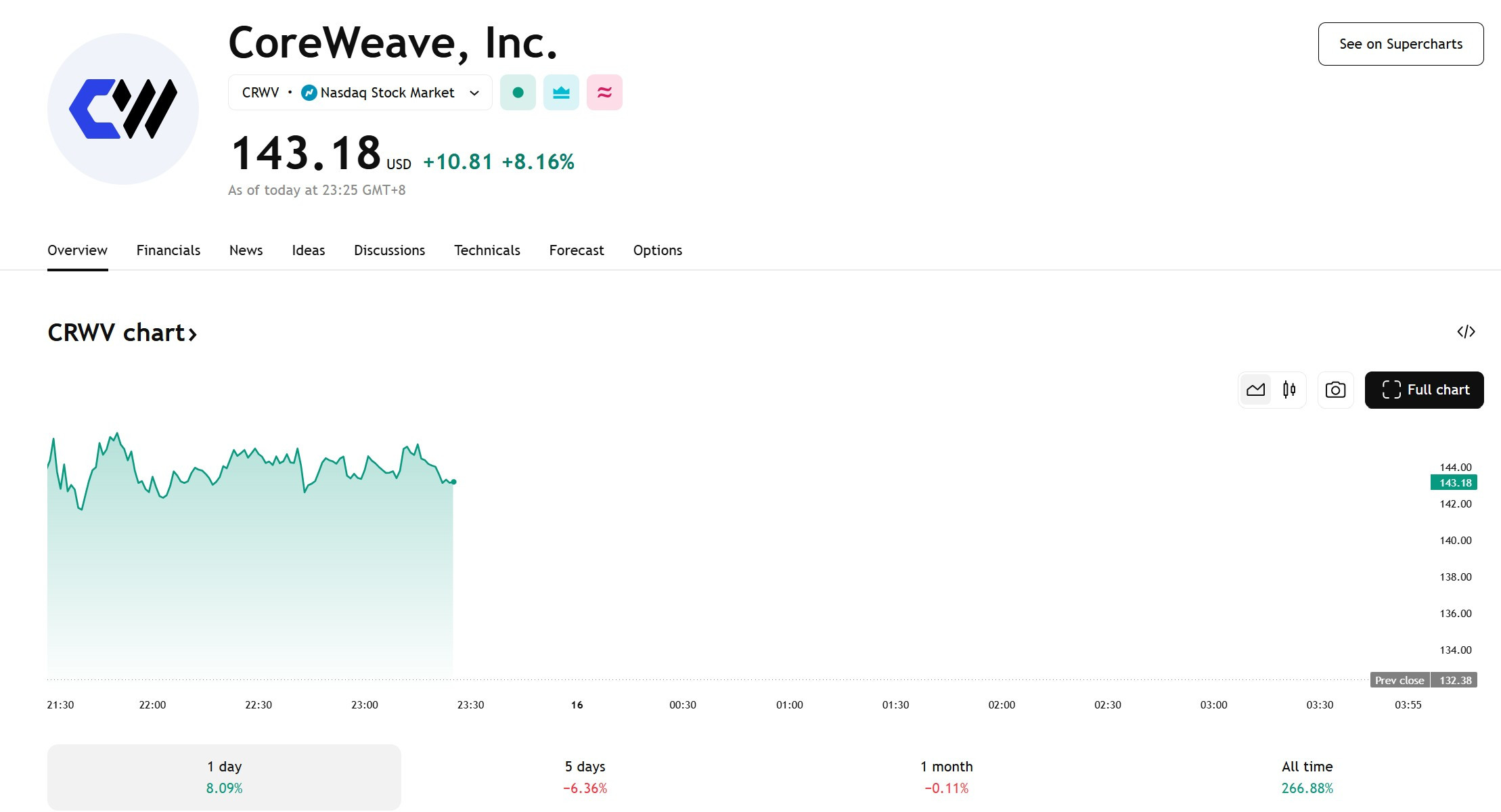
How Will the Lancaster Center Shape the Industry?
The planned data center promises to be one of the world’s largest dedicated AI compute facilities. During construction, it will generate 600 high-paying jobs, then 175 permanent roles upon commissioning—highlighting AI infrastructure’s local economic impact.
Intrator expects the first 100 MW phase to open in 2026, with further expansions to 300 MW based on demand. As CoreWeave secures priority access to H100, H200, and Blackwell‑series GPUs from NVIDIA’s venture arm, this facility could become the “go-to” hub for hyperscale AI training.
Where Does NVIDIA’s H20 Return Fit In?
On the same day, NVIDIA CEO Jensen Huang announced that the U.S. government has approved resuming H20 GPU exports to China. This move lifts a major restriction imposed in April, which analysts estimate cost NVIDIA up to $8 billion in Q2 revenue.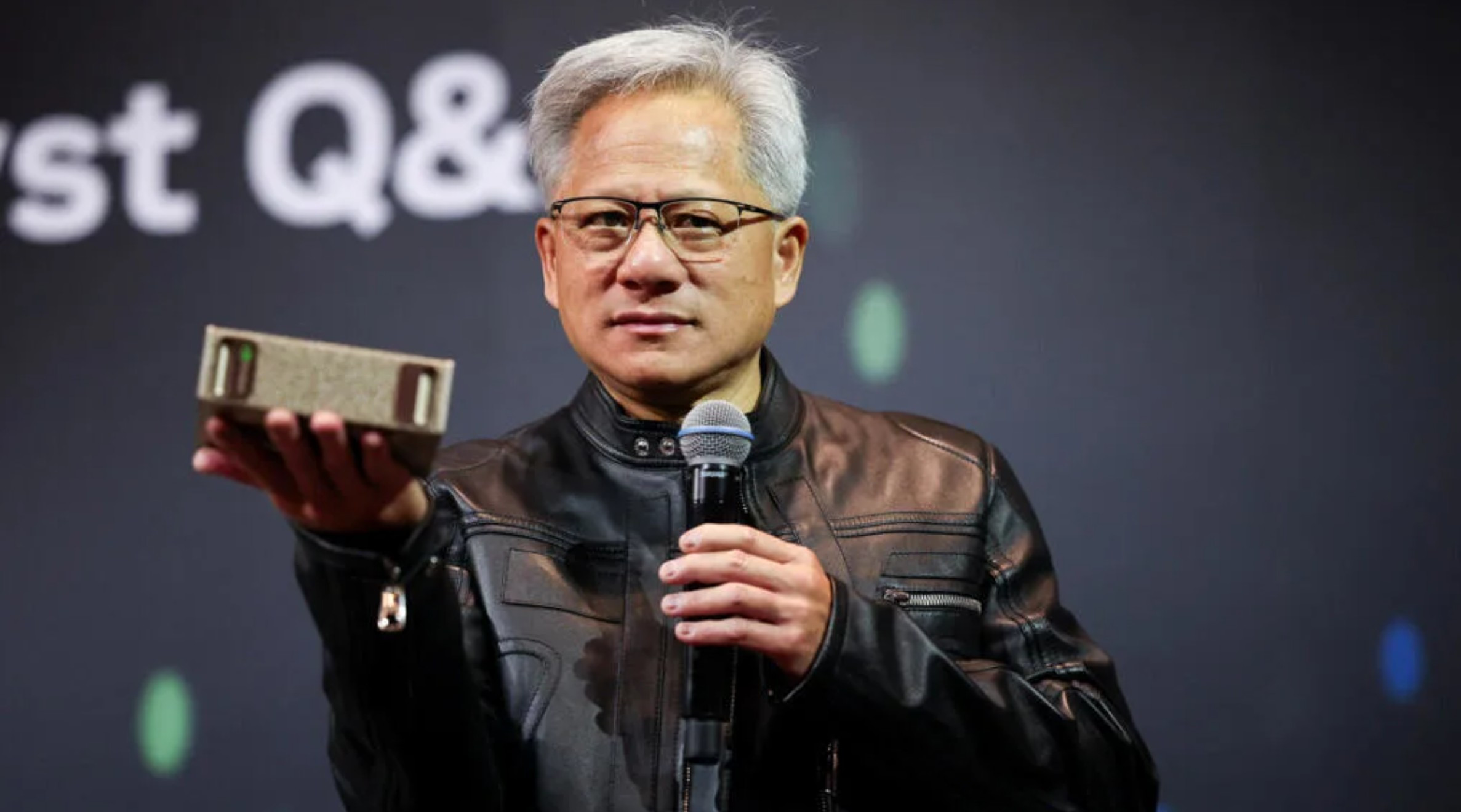
The H20’s return sparked rallies in Chinese cloud and data‑center stocks—Alibaba jumped 7% in Hong Kong, Kingsoft Cloud soared 17%, and GDS rose over 10%. Bernstein calculates that every $10 billion of additional China sales could boost NVIDIA’s EPS by approximately $0.25.
What’s the Broader Market Signal?
The dual announcements underscore an inflection point: compute supply constraints are easing even as demand explodes. Meta recently pledged hundreds of billions to build AGI‑focused data centers, and AWS agreed to develop a 100 MW facility in Korea with SK Group.
NVIDIA’s H20 re‑entry into China not only restores a critical revenue stream—it also reaffirms U.S. export policy’s nuanced approach to balancing national security with commercial interests.
Can CoreWeave Keep Its “NVIDIA Favorite” Edge?
CoreWeave has earned the nickname “NVIDIA’s golden child” by being among the first to deploy H100 and H200 GPUs at scale. In August 2023, it became the first cloud provider to offer the H200 Tensor Core GPU, setting it apart from rivals.
Its close collaboration with NVIDIA’s CUDA ecosystem and venture support ensures priority GPU allocations. As it scales toward gigawatt deployments, CoreWeave’s ability to secure next‑gen chips will be a critical competitive advantage.
How Will FX and M&A Shape Outcomes?
Last week, CoreWeave agreed to acquire data‑center operator Core Scientific Inc. for about $9 billion, expanding its high‑performance site network across the U.S. This consolidation accelerates its footprint but brings integration and capital‑raise challenges.
Additionally, as AI providers pour capital into data‑center build‑outs, rising interest rates and construction costs could impact ROI. CoreWeave’s strategic use of partnerships and acquisitions will be tested as it pursues gigawatt‑scale ambitions.
What Geopolitical Undercurrents Are at Play?
President Trump’s recent announcement of a $70 billion AI and energy investment package highlights AI infrastructure’s strategic importance.
The return of H20 to China—approved in tandem with high‑level meetings between Jensen Huang and President Trump—signals a calibrated U.S. policy: re‑engage Chinese markets while protecting next‑generation chip exports. For AI compute leaders, navigating export controls, supply‑chain resilience, and geopolitical tensions will be as crucial as securing GPUs and power.
Are We Entering the “AI Data‑Center Arms Race”?
With hyperscalers—and governments—vying to host the world’s largest AI models, data‑center capacity has become a strategic asset. Meta’s first AGI‑focused center will go live next year, and AWS‑SK Korea will mark the region’s largest by power.
CoreWeave’s gigawatt‑scale plant demonstrates the leap from megawatts to gigawatts. Amid this arms race, compute vendors that can deliver reliable, low‑latency, high‑density AI clusters will set the industry’s pace.
How Does This Affect Investors?
CoreWeave stock has tripled since its March IPO, closing Monday at $132.37, and jumped over 6% pre‑market on the new center news. NVIDIA surged nearly 5% to fresh highs after the H20 announcement.
Analysts at Citigroup, Jefferies, and Bernstein have raised price targets, citing renewed China revenue and sustained GPU bottlenecks. Yet investors must weigh long‑term capex intensity, potential margin pressure, and policy risks around export regulations.
What Challenges Lie Ahead?
Building and operating gigawatt‑scale data centers brings engineering, regulatory, and environmental hurdles. Utilities must supply vast power while ensuring grid stability; local communities will scrutinize water usage and emissions.
Meanwhile, FX volatility and supply‑chain disruptions—especially for semiconductors—could delay deployments. CoreWeave and its peers must navigate these challenges to turn their capex outlays into profitable, scalable platforms.
Where Does This Leave AI Compute’s Future?
As AI models grow larger—approaching trillions of parameters—the demand for pooled, GPU‑heavy clusters will only intensify. CoreWeave’s gigawatt‑scale strategy and NVIDIA’s chip policy shifts illustrate the symbiotic relationship between chipmakers and cloud providers.
Their actions will shape which firms dominate the AI infrastructure layer and, ultimately, influence the pace of AI innovation across industries.
The intersection of record‑breaking investments, landmark regulatory shifts, and surging market enthusiasm suggests the AI compute sector is entering a new era—one defined by gigawatt‑scale campuses, geopolitically balanced chip flows, and an arms race for the most powerful data centers on Earth.
As CoreWeave builds its Lancaster behemoth and NVIDIA reopens China’s market to its top‑end GPUs, investors and industry watchers alike will be watching: has the AI compute frontier just expanded, or is the real challenge only beginning?