
Is Ethereum About to Outshine Bitcoin?: A Deep Dive into the Institutional Surge

In a landmark shift for digital assets, Ethereum has vaulted beyond “smart-contract platform” status to become the globe’s first yield-bearing reserve asset. Over 1.7 million ETH—equivalent to roughly $5.9 billion—are now tucked away in institutional treasuries, doubling year‑over‑year.
Blue-chip firms such as BlackRock, JPMorgan and UBS have publicly signaled their commitment to building on Ethereum’s decentralized, secure framework. With stablecoins, DeFi and tokenized real-world assets flourishing atop its network, Ethereum is fast emerging as the foundational monetary layer for tomorrow’s finance.
Key Points
- Institutional Hoarding: 1.7 M ETH (~1.44% of supply) held as strategic reserves, marking a 100% YoY increase.
- Deflationary Protocol: Since EIP‑1559’s launch in August 2021, ~4.6 M ETH burned—about $15.6 billion at today’s prices—offsetting new issuance.
- Minimal Net Issuance: Post‑Merge, issuance caps at 1.51% annually for security incentives, but with ~80% of fees burned, net supply growth hovers near 0.1%.
- Yield‑Bearing Asset: ETH staking delivers ~2.1% real yield (issuance minus burn), versus BTC’s zero-yield profile—introducing the first “internet bond.”
- Ecosystem Dominance: Ethereum secures 57% of on‑chain Real‑World Asset collateral and 54.2% of all stablecoin supply.
Why Are Institutions Racing to Stockpile ETH?: Underlying Drivers?
Institutions have long treated Bitcoin as a passive store of value, but Ethereum offers a fundamentally different proposition. Rather than idling in a vault, ETH actively powers an ever‑expanding on‑chain economy.
Every DeFi swap, every NFT mint and every layer-2 settlement consumes ETH as “fuel.” This dynamic consumption mechanism aligns network usage with token scarcity—and that prospect of growing demand for a deflationary asset has become a powerful draw for corporate treasurers and fund managers.
Moreover, firms are no longer content to merely hold ETH. By deploying strategic reserve strategies, they tap into its programmable nature—staking, lending or collateralizing for yield.
This programmable capital model stands in stark contrast to Bitcoin’s static holding pattern, opening the door to continuous revenue streams without sacrificing decentralization or introducing counterparty risk.
How Does Ethereum’s Deflationary Engine Really Work?: Mechanics Explained?
EIP-1559, activated in August 2021, introduced a base-fee burn: a portion of every transaction fee is permanently removed from circulation. To date, the protocol has incinerated roughly 4.6 million ETH—worth about $15.6 billion at current valuations.
Although Ethereum still issues up to 1.51% of its supply annually to incentivize validators, the burning of transaction fees—about 80% of all fees—drives net issuance down to around 0.1%.
This occasionally tips Ethereum into outright deflation, a phenomenon unheard of among major cryptocurrencies. As on-chain activity ratchets up—especially across Layer-1 and top Layer-2 networks securing some $237 billion in total value—fee burns accelerate.
This mechanism ensures that widespread adoption paradoxically tightens supply, reinforcing ETH’s appeal as a scarce, yield-bearing reserve asset.
Unstoppable Yield: ETH Staking Is Stealing the Show: A New “Internet Bond”
Owning ETH is only the first step. By staking—locking ETH to validate blocks—institutions earn protocol-generated rewards currently averaging 2.1% net real yield (issuance minus burned fees).
Unlike traditional bonds, this “internet bond” has no maturity date, generates perpetual income, and carries zero counterparty risk: the protocol itself underwrites rewards.
To achieve enterprise-grade reliability, institutions are increasingly adopting Distributed Validator (DV) services. DVs split a single validator’s duties across multiple nodes using Distributed Key Generation (DKG), eliminating single-point-of-failure risks.
Even if half the nodes go offline, the validator remains operational—and slashing risks are minimized. Middleware solutions like Obol’s Charon enable operators to decentralize staking infrastructure seamlessly, marrying top-tier uptime with multi‑party security.
What Gives ETH Its “Digital Oil” Edge Over Bitcoin’s “Digital Gold”?: Fueling the Chain?
If Bitcoin is passive “digital gold,” Ethereum is active “digital oil.” Where gold sits motionless in vaults, ETH is consumed to fuel every function of its network. In decentralized finance alone, Ethereum processes billions in transaction volume daily, demanding ETH as the exclusive gas token.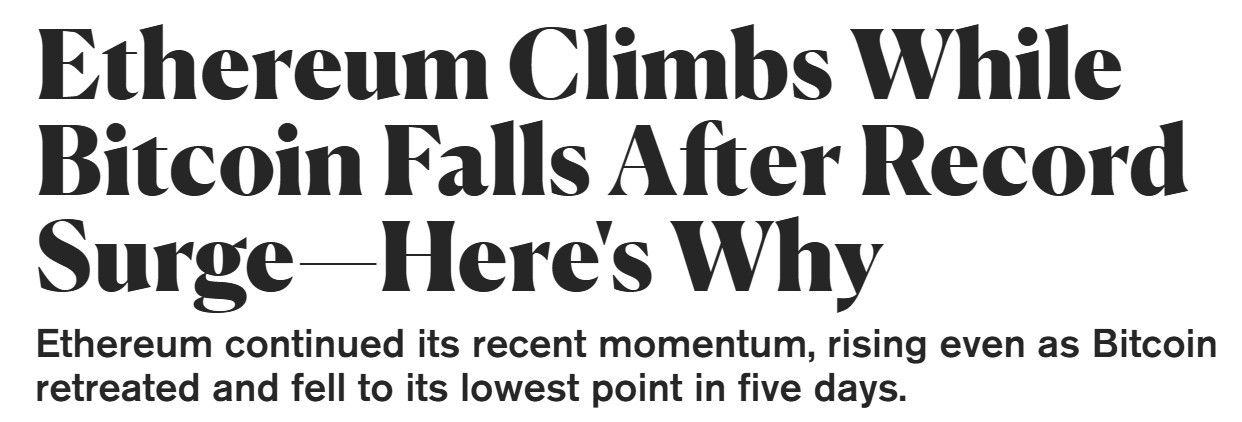
Outside DeFi, it undergirds 57% of tokenized real‑world asset collateral and 54.2% of stablecoins, ensuring deep, liquid markets.
As economic activity scales—from NFT marketplaces to automated market makers—fee burns accelerate, tightening supply. Institutions recognize that this feedback loop rewards holders: network growth begets scarcity, and scarcity begets asset appreciation. That virtuous cycle sets Ethereum apart as a productive reserve asset rather than a static store of value.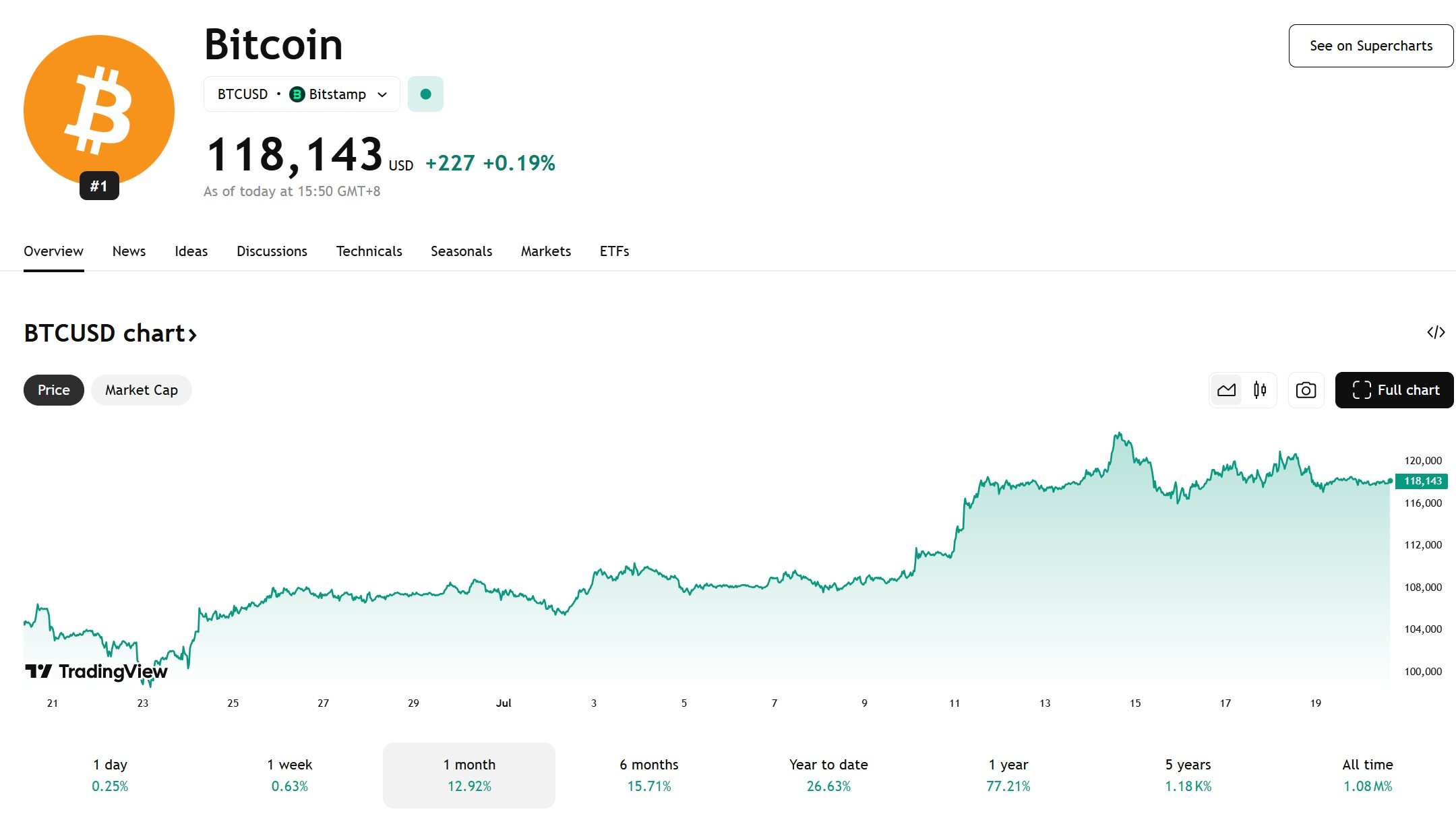
A Trillion-Dollar Opportunity Awaits: Looking Toward the Future
Ethereum’s second decade is defining its institutional chapter. As sovereign bond yields recede—U.S. federal funds rates hover between 4.25% and 4.5%—ETH staking yields remain compelling.
Corporate CFOs can diversify from short-dated Treasuries into an asset that merges collateral utility, deflationary supply dynamics, and perpetual yield.
The rush for strategic ETH reserves shows no sign of slowing. With over 1.7 million ETH already locked up, demand outpaces even validator issuance.
As more blue-chip firms adopt ETH as core collateral and deploy distributed staking, the network’s collateral layer swells. Ethereum stands poised to underpin a trillion‑dollar financial system—fueled not by gold, but by digital oil.