
Regulation Focused: Is Powell’s Silence Stoking Speculation?

Good Morning, But No Policy Update:
Fed Chair Jerome Powell surprised many by confining his July 22 remarks entirely to bank-capital regulation, giving no hint about interest-rate policy or swirling rumors of his resignation.
Trump’s Reaction: “He’ll Be Out Soon”:
Just hours later, President Donald Trump publicly criticized Powell’s performance, insisting rates should be cut to 1% and predicting the chair’s departure “very soon.”
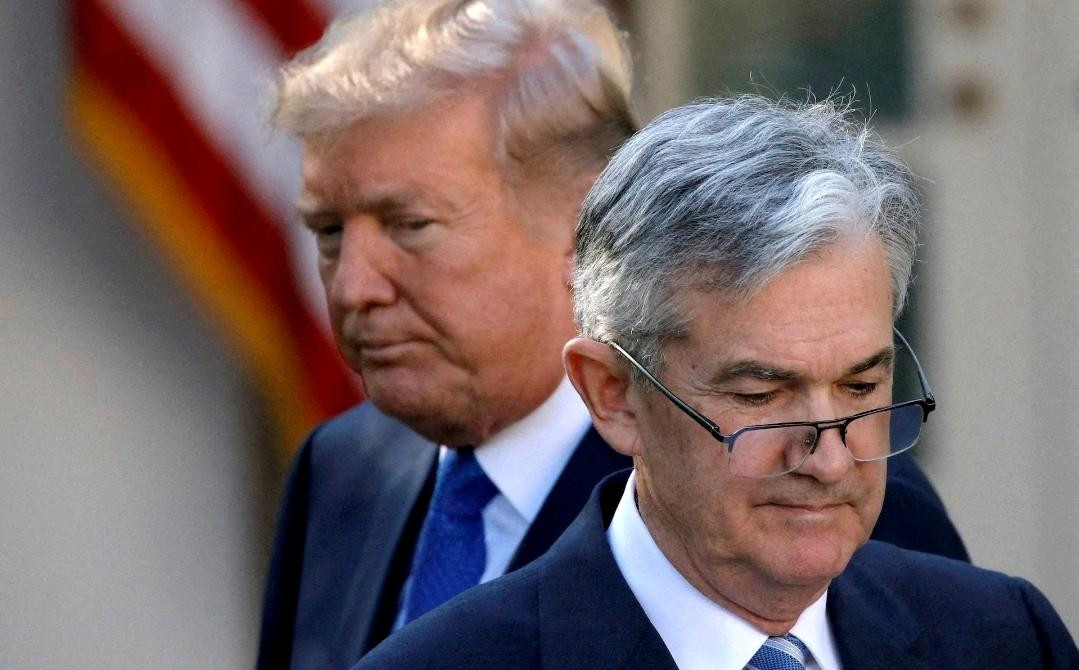
Key Points
- Powell’s Speech Was Narrowly Focused. He addressed only the comprehensive review of large-bank capital frameworks—risk-based requirements, leverage ratios, supplemental buffers and stress testing—without mentioning monetary policy or his job security.
- No Mention of Rate Path or Resignation. Despite market anticipation of any clues on future Fed moves or Powell’s rumored exit, his brief remarks stuck strictly to regulatory topics.
- Trump’s Critique Centers on High Rates. The president argued that keeping rates “too high” is dampening the housing market and that the Fed should lower them by at least three percentage points to 1%.
- Regulatory Agenda Remains Intact. Powell welcomed feedback from industry experts, scholars, and both current and former policymakers on strengthening the banking system’s safety and competitiveness.
- Political Pressure Grows. The public disagreement underscores rising tension between the White House and the Fed as the U.S. economy faces competing demands for robust growth and financial stability.
What Did Powell Actually Say?
“Good morning, welcome to the Fed,” Powell began, acknowledging the audience’s keen interest in the day’s topic: a holistic review of large‐bank capital frameworks. He credited Vice Chair for Supervision Michael Barr for proposing the meeting and praised Fed staff for their preparation efforts.
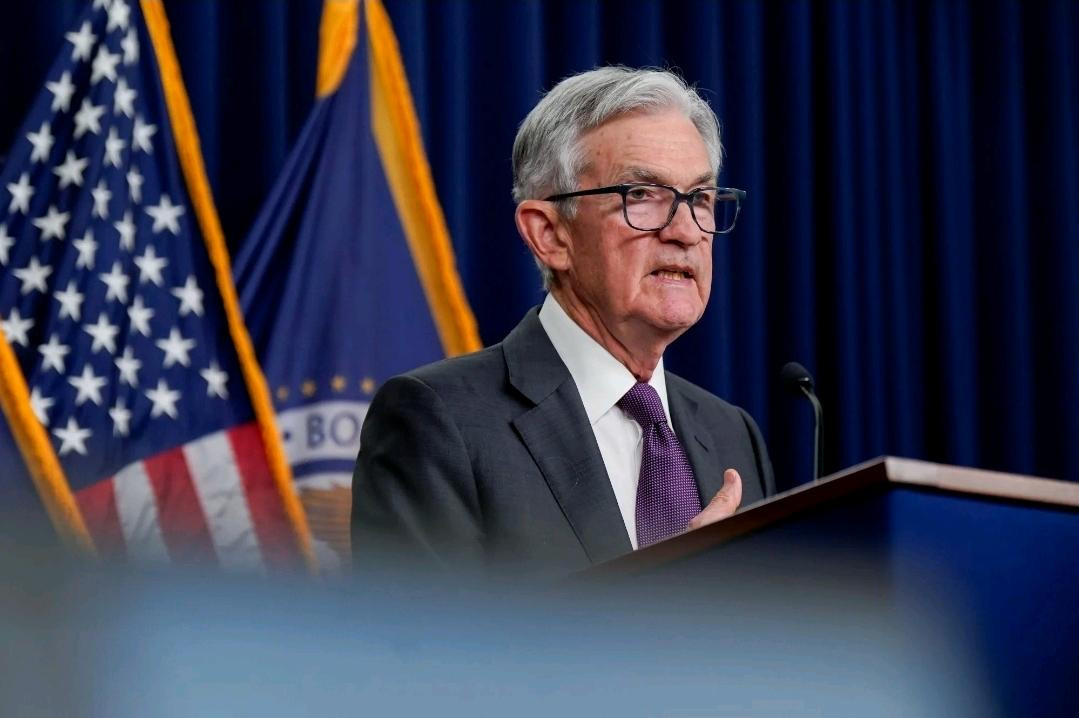
Over a few minutes, Powell outlined how risk-based capital requirements, leverage ratios, supplemental capital buffers for the biggest institutions, and stress tests form the core pillars of the U.S. bank capital regime.
He emphasized the need for these elements to work in concert, ensuring a “safe, sound, and efficient banking system” that serves the public.
Finally, he invited new ideas on refining the capital framework, signaling the Fed’s openness to diverse perspectives, but made no reference to monetary‐policy decisions or the swirling resignation chatter.
Why No Word on Rates or Rumors?
Analysts had hoped Powell might use the forum to reassure markets about the Fed’s policy path or to quash speculation about his tenure. Instead, his laser focus on supervision suggests either a strategic choice to separate regulatory and policy messaging or a reluctance to fuel already volatile rate expectations.
By sticking strictly to capital rules, Powell avoided any public acknowledgment of political pressure or market anxiety surrounding interest rates. Observers note that such silence can itself become fodder for conjecture, especially amid conflicting signals from Washington.
Trump Strikes Back
Later on July 22, President Trump told reporters he believed Powell “has not done a good job” and that he would soon be “out.” He insisted the Fed should slash rates to 1%, arguing that current levels are “too high” and are hurting the housing sector.
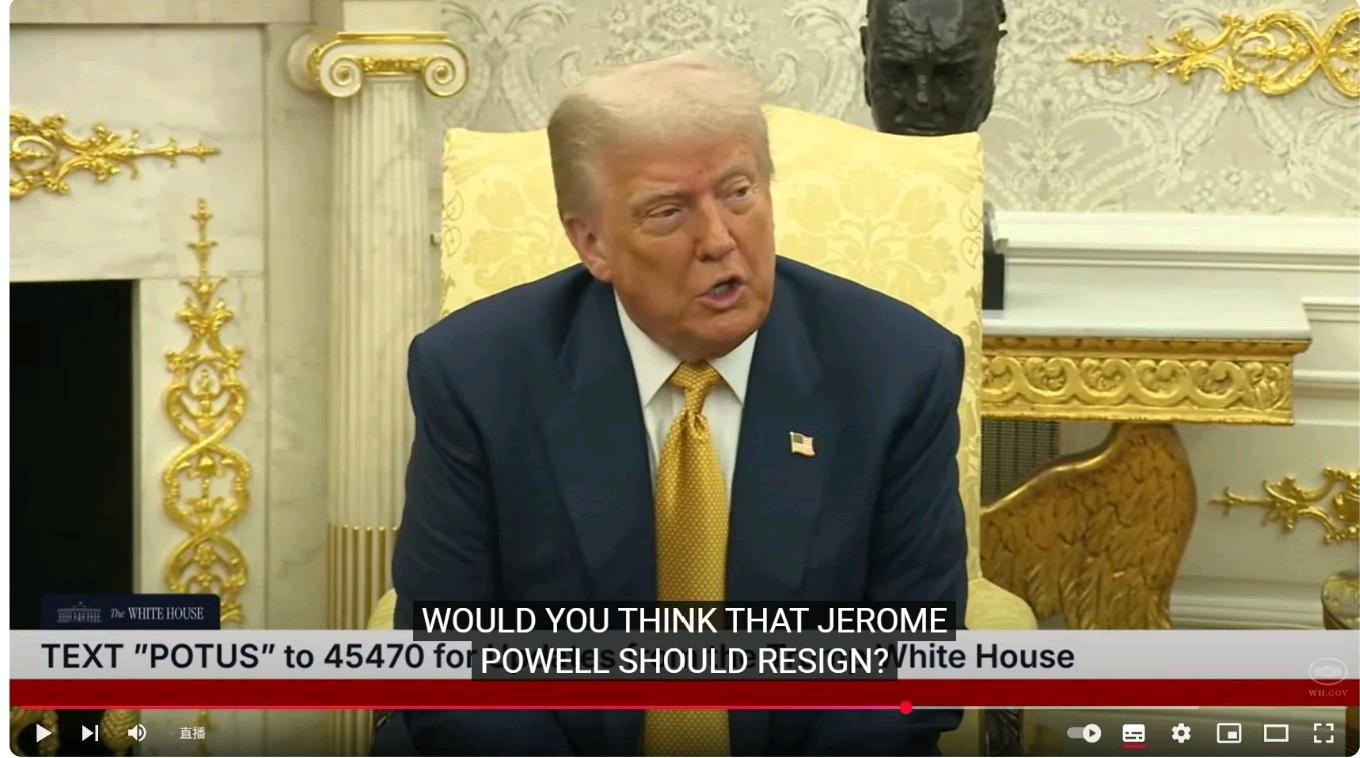
“I think rates should be three points lower, even lower,” Trump said, reiterating long‑standing criticism of Powell’s cautious approach. His remarks underscore an intensifying tug-of-war between the White House’s growth-boosting demands and the Fed’s dual mandate of price stability and full employment.
How Are Markets Reacting?
Even without fresh guidance from Powell, financial markets have been sensitive to any hint of Fed independence being tested. Stock futures flirted with modest declines after Trump’s statement, while Treasury yields edged lower on renewed bets for rate cuts.
Housing-sector indicators remain on watch, as mortgage rates typically follow Fed policy. Should the Fed heed the president’s call for aggressive easing, borrowers could see relief-but at potential costs to inflation control and central-bank credibility.
What Comes Next?
The Fed’s regulatory review continues with panels of experts offering proposals on capital adequacy enhancements. Meanwhile, all eyes will be on the Fed’s next policy meeting and on any personnel announcements relating to the chairmanship.
With political pressure escalating, Powell faces the delicate task of balancing robust oversight of the banking system with independence in rate-setting-an equilibrium critical to both financial stability and public confidence.