
Free Cash Flow Bonanza: How Big Tech Stands to Gain Billions from the “CHIPS and Science Act”?

Between massive R&D tax credits and accelerated depreciation, the “CHIPS and Science Act” promises to supercharge $AMZN , $META , and $GOOGL ’s balance sheets. By unlocking tens of billions in incremental free cash flow over the next several years, this law not only boosts near-term liquidity but also fuels reinvestment in AI, data centers, and core operations—reshaping the growth trajectory of these tech titans.
Key Points
- $AMZN is set to receive an annual $15 billion boost to free cash flow by 2026—about 30% of its projected FCF that year.
- $META will see a midterm tailwind of $8–10 billion by 2028, improving its FCF by roughly 22%.
- $GOOGL captures the largest short‑term gain with a $25 billion uplift in 2025, though annual benefits taper to $4-6 billion thereafter.
What’s the Bottom Line First? Free Cash Flow Takes Center Stage
In the wake of the “CHIPS and Science Act,” Morgan Stanley predicts that three of Wall Street’s “Magnificent Seven”—$AMZN , $META and $GOOGL —will see a dramatic uplift in free cash flow.
These incremental billions will supercharge their ability to invest in AI, data centers, logistics, and more, all while underpinning shareholder returns.
Why Is Amazon the Long-Term Champion?
$AMZN emerges as the largest beneficiary thanks to its enormous capital expenditure and R&D footprint. By 2026, the Act is expected to boost $AMZN ’s free cash flow by roughly 30%—about $15 billion annually. Its massive AWS data center build-out and sprawling fulfillment network require constant investment in servers, robotics, and infrastructure.
Meanwhile, $AMZN ’s heavy qualified R&D spend keeps it at the forefront of cloud and AI innovation. Because its tax basis is lower than allowed accelerated write-offs, these benefits will stretch over several years, still delivering about $11 billion per year even in 2028.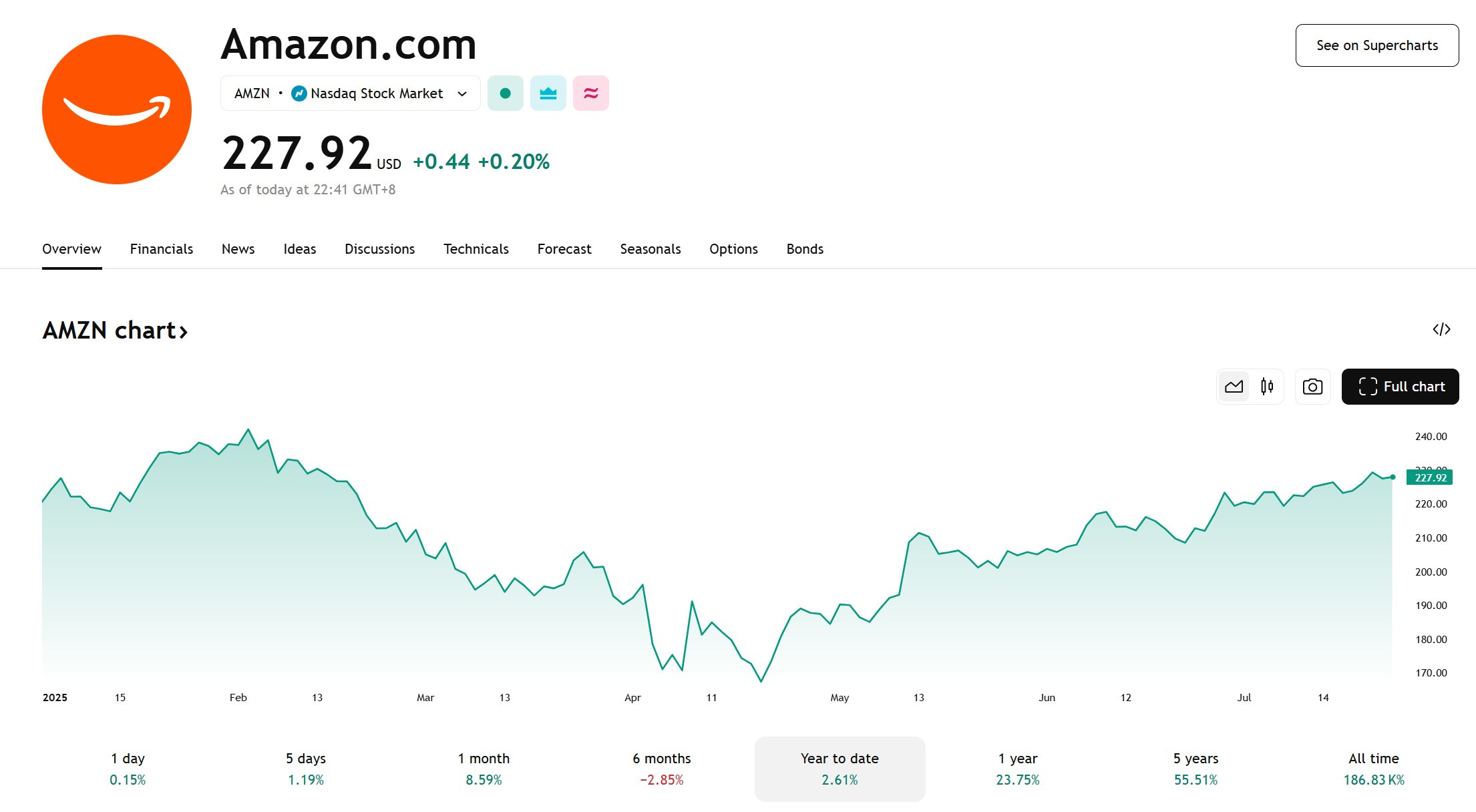
Investors can expect $AMZN to redeploy much of this windfall into faster delivery, advanced robotics, AI-optimized chips, and long‑term cloud growth, without sacrificing shareholder returns.
Meta’s Midterm Windfall
For $META , the Act translates into a significant cash‑flow tailwind, with Morgan Stanley forecasting up to a $10 billion annual uplift by 2025-26—roughly a 22% improvement.
$META ’s sizable deferred R&D tax credits will be drawn down over several years, smoothing the benefit. By 2026, this improved cash flow is projected to compress $META ’s FCF multiple from around 39× to 32×, enhancing valuation appeal.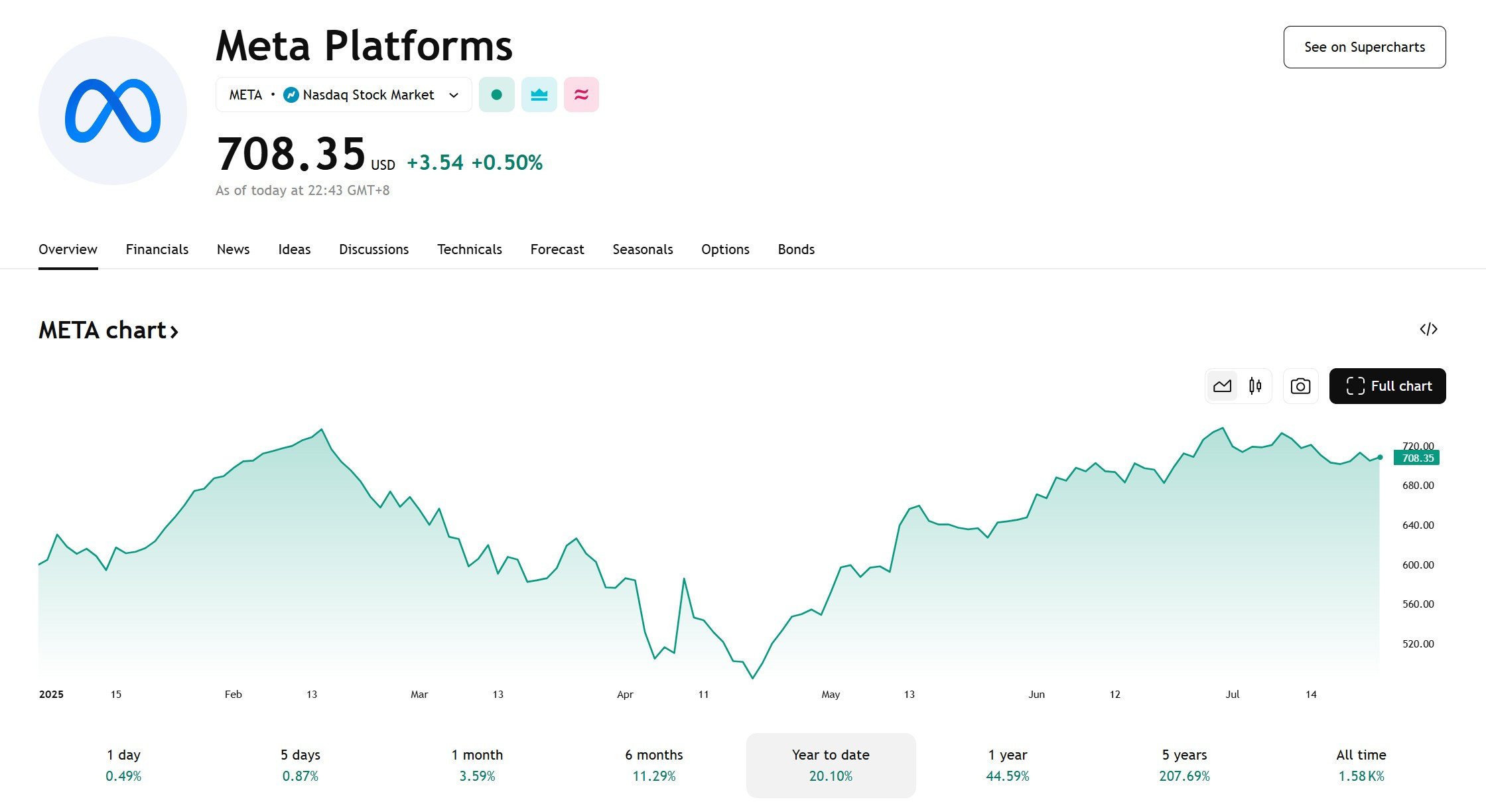
$META plans to channel these funds into multi‑gigawatt data center expansions—each requiring tens of thousands of $NVDA GPUs—and strengthen its AI‑driven ad platform, messaging products, and $META AI services. The result is stronger inference capacity, deeper AI integration, and balanced shareholder payouts.
Google’s Immediate Surge
$GOOGL is poised for the Act’s biggest immediate lift: a one‑time $25 billion boost to 2025 free cash flow, a 31% increase. This spike stems from $GOOGL ’s record $26 billion in deferred R&D credits and a robust taxable income base that allows for aggressive accelerated write‑offs.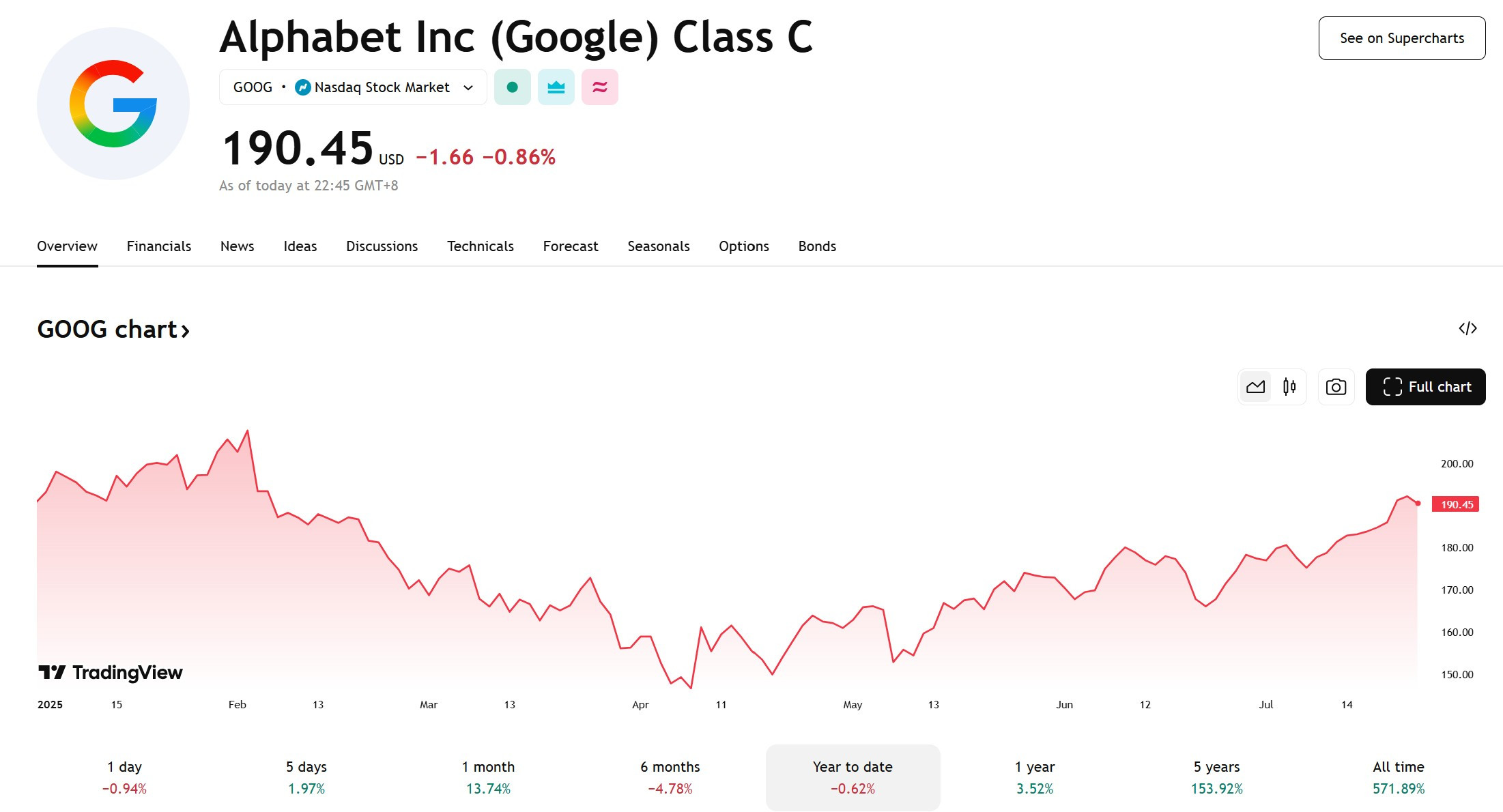
However, this windfall is front-loaded; after 2025, the annual benefit stabilizes at $4-6 billion—or a 5-6% FCF tailwind—from ongoing accelerated depreciation and future R&D incentives.
$GOOGL is expected to deploy most of this cash into enhancing Gemini-powered AI, AI Overviews, Veo, and other product lines, as well as data-center power optimization and chip investments—while also maintaining shareholder-friendly buybacks.
Analyst Ratings and Price Targets
Morgan Stanley maintains “Overweight” ratings on all three names, with price targets set at $300 for $AMZN , $750 for $META , and $205 for $GOOGL .
While the free cash flow surge is substantial, analysts emphasize that these companies will reinvest the majority of the windfall into next-generation AI infrastructure and technology, rather than simply boosting dividends.
Strategic Deployment of the Windfall
Rather than treating the Act’s benefits as a one-off profit boost, all three companies view the incremental cash as strategic capital.
$AMZN will accelerate AI chip purchases and robotics in its fulfillment network; $META will expand multi-GW data centers and scale its AI recommendation infrastructure; $GOOGL will deepen Gemini integrations and invest in power-efficient data centers. This disciplined reinvestment approach preserves competitive moats and underpins long‑term free cash flow growth.
The Act’s multi-year tailwinds offer a rare combination of immediate cash infusion, compelling reinvestment opportunities, and potential valuation expansion.
Enhanced free cash flow provides optionality for M&A, capital projects, and share repurchases—while improved FCF multiples support higher earnings power per share. For long‑term investors, the “CHIPS and Science Act” is more than a tax break; it’s a strategic accelerator for Big Tech’s AI era.