
The Washington Showdown: Is Trump’s Fed Visit a Power Play?

President Trump’s surprise visit to the Federal Reserve headquarters on Thursday afternoon marks an unprecedented escalation in his battle with Fed Chair Jerome Powell.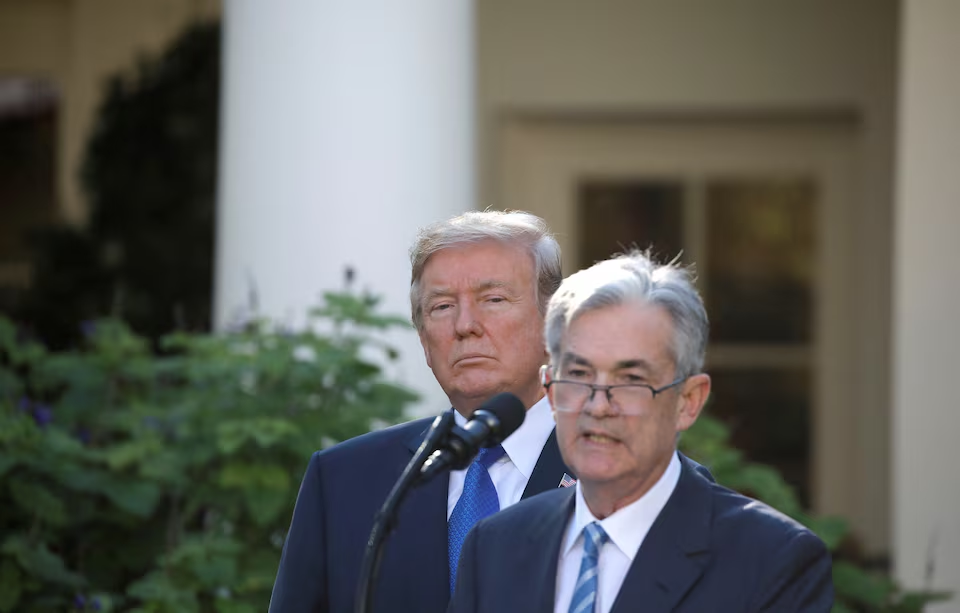
Officially billed as an inspection of the Fed’s $2.5 billion headquarters renovation, the trip has left markets—and policymakers—wondering whether this is simply a tour or an overt pressure tactic on monetary policy.
According to the White House’s published presidential schedule, Mr. Trump will arrive at the Fed’s Foggy Bottom campus at 4 p.m. ET, join other government officials touring the facility’s ongoing remodeling, and remain for roughly one hour.
Neither the itinerary nor the White House has confirmed whether Mr. Trump and Chair Powell will meet face to face. A Fed spokesperson declined to comment, and Fed insiders have been tight-lipped.
Mr. Trump’s senior aides—James Blair, Bill Pulte, and Russ Vought—have long pushed to inspect the renovation, clashing over scheduling conflicts last week. Their stated aim is to verify that “taxpayer dollars” aren’t squandered on unnecessary luxuries.
Yet, in the context of months-long White House frustration over the Fed’s refusal to slash interest rates, the optics are unmistakable: the President is ratcheting up pressure on the Fed.
Key Points
- Unscheduled Inspection: Trump will tour the Fed’s Foggy Bottom renovation on Thursday at 4 m. ET, per White House schedule.
- High‑Stakes Backdrop: The visit comes amid Trump’s persistent calls for rate cuts and veiled threats to Chair Powell’s job.
- Renovation under Fire: The $2.5 billion headquarters overhaul—funded by the Fed, not taxpayers—has become a political lightning rod.
- Staff Involvement: Senior White House aides have actively lobbied for site access, rejecting initial Fed‑proposed time slots.
- Market Concerns: Investors worry this marks an erosion of Fed independence, a pillar of U.S. monetary stability.
What’s Really Driving the Fed Tour?
At surface level, the President’s visit appears to be a routine facility review—after all, the Capitol and White House staff frequently tour government projects. But insiders and political watchers see a different motive: never before has a sitting President personally inspected the Fed’s operations in such a politicized climate.
Over the past several months, Mr. Trump has publicly chastised Chair Powell for maintaining the federal funds rate at 4.25%-4.50%, arguing that a 300-basis-point cut is needed to slash the government’s $1 trillion refinancing cost.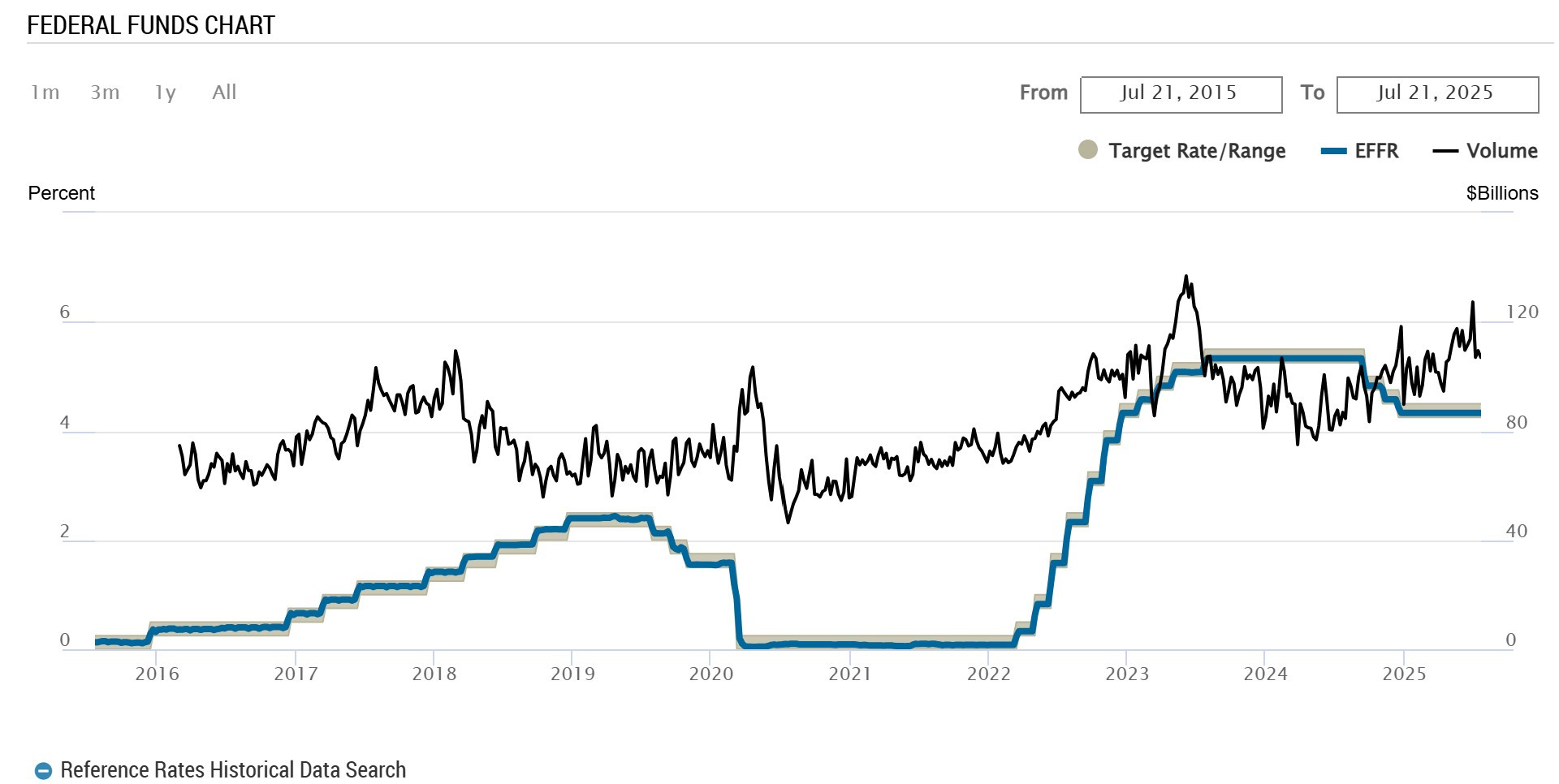
His criticism has shifted from barbed tweets to outright threats of dismissal—though he later backtracked, pledging to respect Powell’s term through May 2026.
Yet this trip transcends rhetoric: by mobilizing his top aides—Budget Director Russ Vought, Deputy Chief of Staff James Blair, and FHFA Director Bill Pulte—the President is signaling that he and his team are watching Powell’s decisions very closely.
Mr. Pulte, who has publicly called for Powell’s resignation, even refused the Fed’s initial invitation on Friday evening, citing a scheduling conflict with a Senate dinner.
Can the Fed Really Stay Independent?
The U.S. central bank’s independence is enshrined in law and tradition. Presidents George W. Bush, Gerald Ford, and Franklin D. Roosevelt made rare visits to the Fed building—most notably Bush at his 2006 inauguration. But none of those trips carried the explicit purpose of influencing active monetary decisions.
Legal scholars note that removing a Fed governor without cause would violate longstanding statutes affirmed by a May Supreme Court ruling. Still, Trump’s allies believe they’ve found a “pretext”—oversight of the $2.5 billion renovation project—to justify increased scrutiny and potential personnel changes.
Chair Powell has responded by requesting the Federal Reserve’s Inspector General to audit the project, and the Fed recently published detailed FAQs and a virtual tour video to debunk rumors of “VIP elevators” and “lavish amenities.”
Regardless, the specter of political interference has rattled markets. The dollar index dipped and gold ticked up in the hours following news of the visit, reflecting investor anxiety over a potential breach of the Fed’s institutional firewall.
How Much Is the Renovation Really Costing?
Fed officials maintain that the multi-year overhaul is essential to modernize aging infrastructure, enhance security, and remove hazardous materials like asbestos. Every dollar is drawn from the Fed’s own earnings, not from taxpayer funds. Yet White House critics have seized on every detail:
- No VIP Trimmings: The Fed denies plans for exclusive dining rooms or private elevators.
- Scaled-Back Amenities: The original rooftop terrace was reduced in size after cost reviews.
- Safety Upgrades: Bullet-resistant glass, improved HVAC systems, and ADA accessibility enhancements drive much of the expense.
Despite these clarifications, President Trump questioned, “What does he need with a building that costs so much?” in remarks from the Oval Office.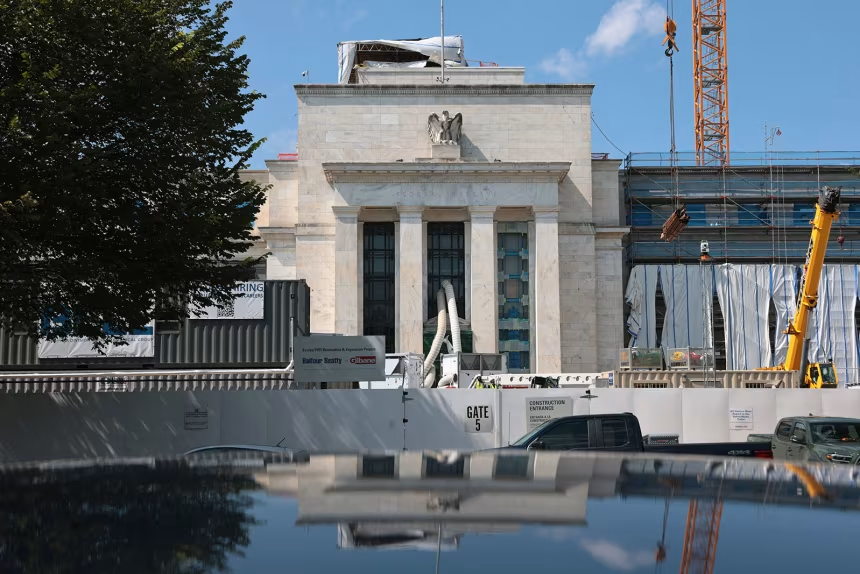
And Commerce Secretary Howard Lutnick proclaimed on Wednesday that “Powell must go,” intensifying pressure even as Treasury Secretary Scott Bessent publicly backed Powell’s continuation through his term.
Will This Drama Shake Markets?
Investors dread the possibility that central bank decisions could become collateral damage in political wars.
Yardeni Research’s Ed Yardeni noted that commentary from Treasury officials softened the dollar’s rally, while market strategists warn that undermining the Fed’s autonomy could provoke volatility in bond yields and equity prices alike.
Senator Elizabeth Warren has warned that ousting Powell prematurely could trigger a market “crash,” and trading desks are already pricing in a higher risk premium for U.S. Treasuries.
Even some academics—like Mohamed El‑Erian and Jeremy Siegel—suggest that Powell’s resignation, if voluntary, might paradoxically preserve the Fed’s independence by removing him from an untenable position.
What Comes Next in the White House-Fed Standoff?
As Trump steps into the Fed lobby, all eyes will be on the optics. Will he emerge with a handshake and a smile, or with new demands and pointed remarks?
The President’s visit could set the tone for his remaining eight months before Powell’s term expires in May 2026. And beyond the administration, it could redefine how future Presidents interact with the central bank.
For now, three scenarios loom:
1.Handshake and Retreat: A face-to-face meeting that yields no public pressure, diffusing tensions—temporarily.
2.Warning Shot: The President uses the visit to underscore his dissatisfaction, signaling potential personnel changes.
3.Escalation: A public rebuke of the Fed’s rate stance, undermining confidence in monetary policy and sparking market unrest.
Whatever unfolds, the stakes are undeniable. A President crossing the threshold of the Federal Reserve is more than a photo-op—it is a high-wire act on the central stage of U.S. economic governance. And as traders brace for every tweet, one question remains: can the Fed keep its independence intact under the glare of presidential scrutiny?