
Market Mayhem Unleashed: Is the Meme-Stock Madness Back?

President of retail trading frenzy is rising again as individual investors on Reddit’s WallStreetBets chase explosive gains in meme stocks like Kohl’s and Krispy Kreme.
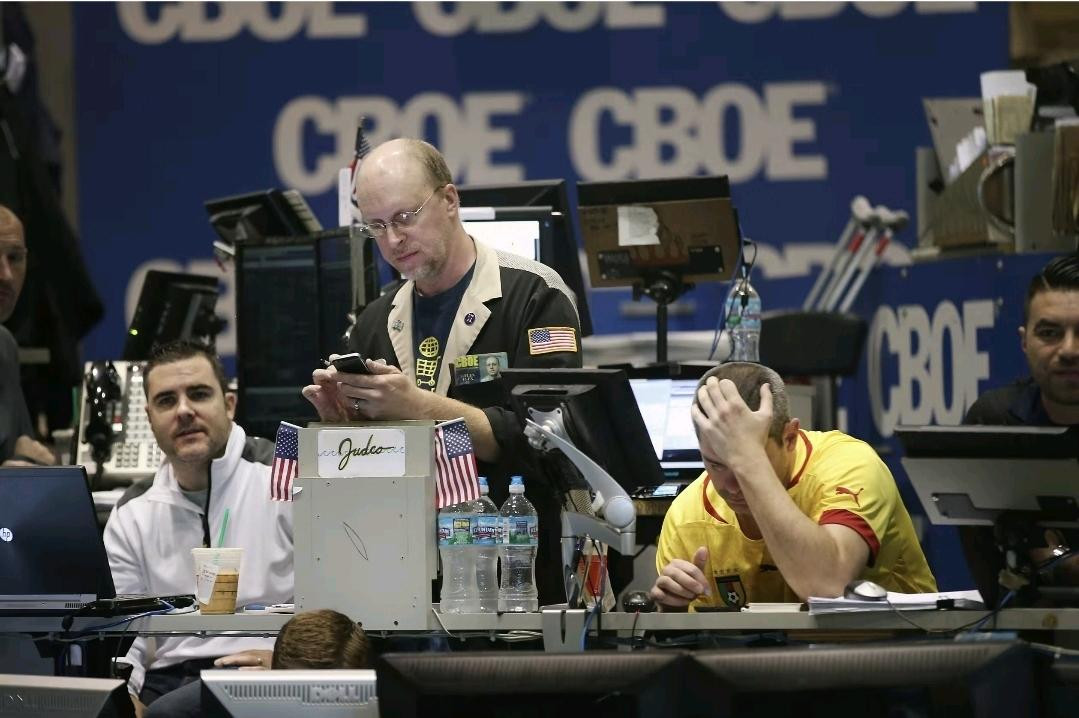
Meanwhile, big banks spot a seismic shift: options mania and zero-day contracts are fueling a retail-driven U.S. equity rally that’s rattling institutions.
Key Points
- WSB Surge: Traders on WallStreetBets bragged of turning small stakes into hundreds of thousands in hours, reigniting 2021-style meme frenzy.
- Notable Profits: One user netted $850,000 on Kohl’s; another flipped $45 into $15,000 on Krispy Kreme call options.
- Short-Squeeze Potential: High short interest in retail names, paired with gamma-squeeze dynamics, drove sudden price spikes and heavy option flows.
- Retail’s New Arsenal: Zero-day expiry options are the go-to tool for retail speculators seeking leveraged exposure on penny bets.
- Institutional Response: JPMorgan, Barclays, and Charles Schwab report retail option activity forcing them to adjust positions and fueling broader market support.
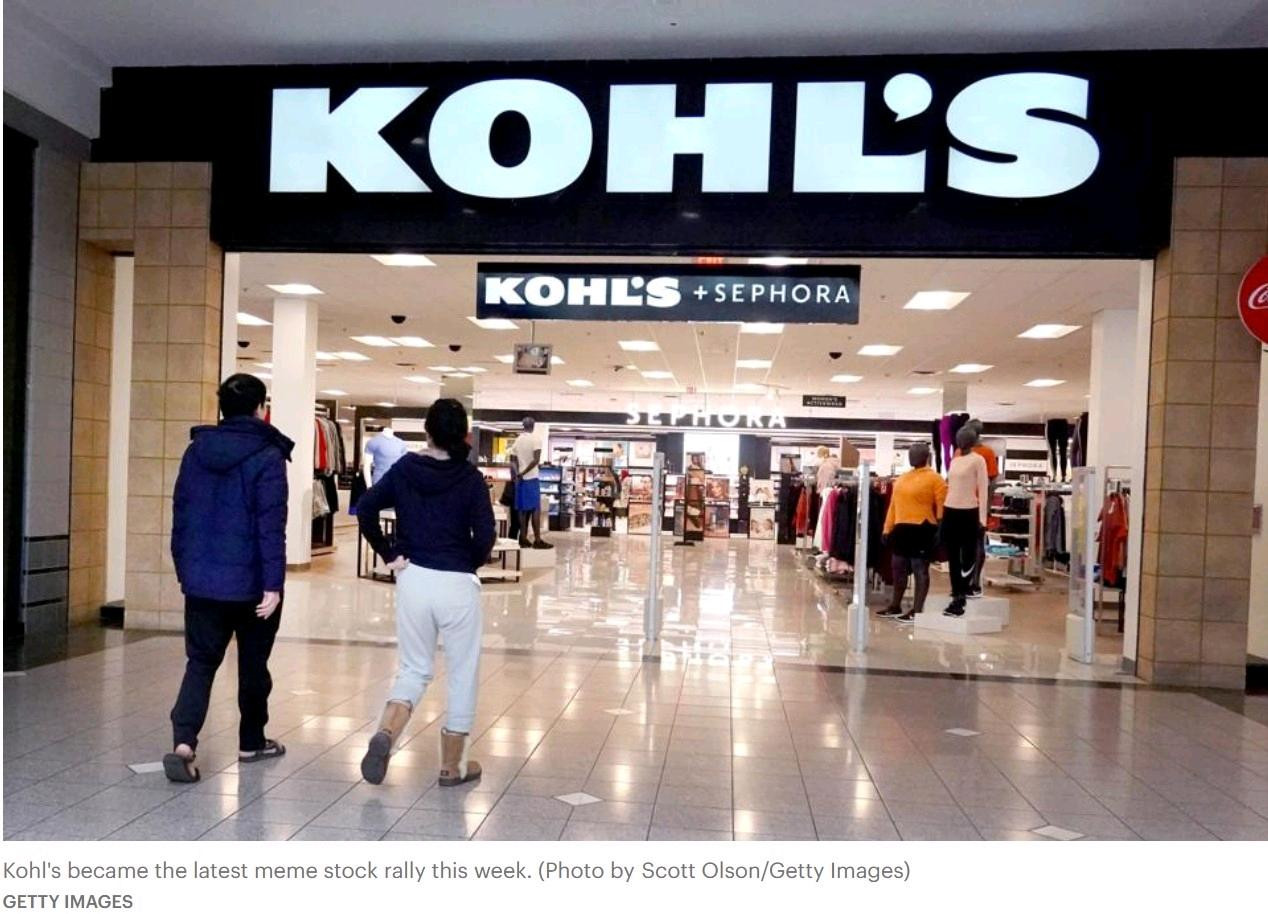
Meme Mania Returns?
Trading chatrooms lit up this week as hundreds of WSB users posted screenshots of rapid windfalls.
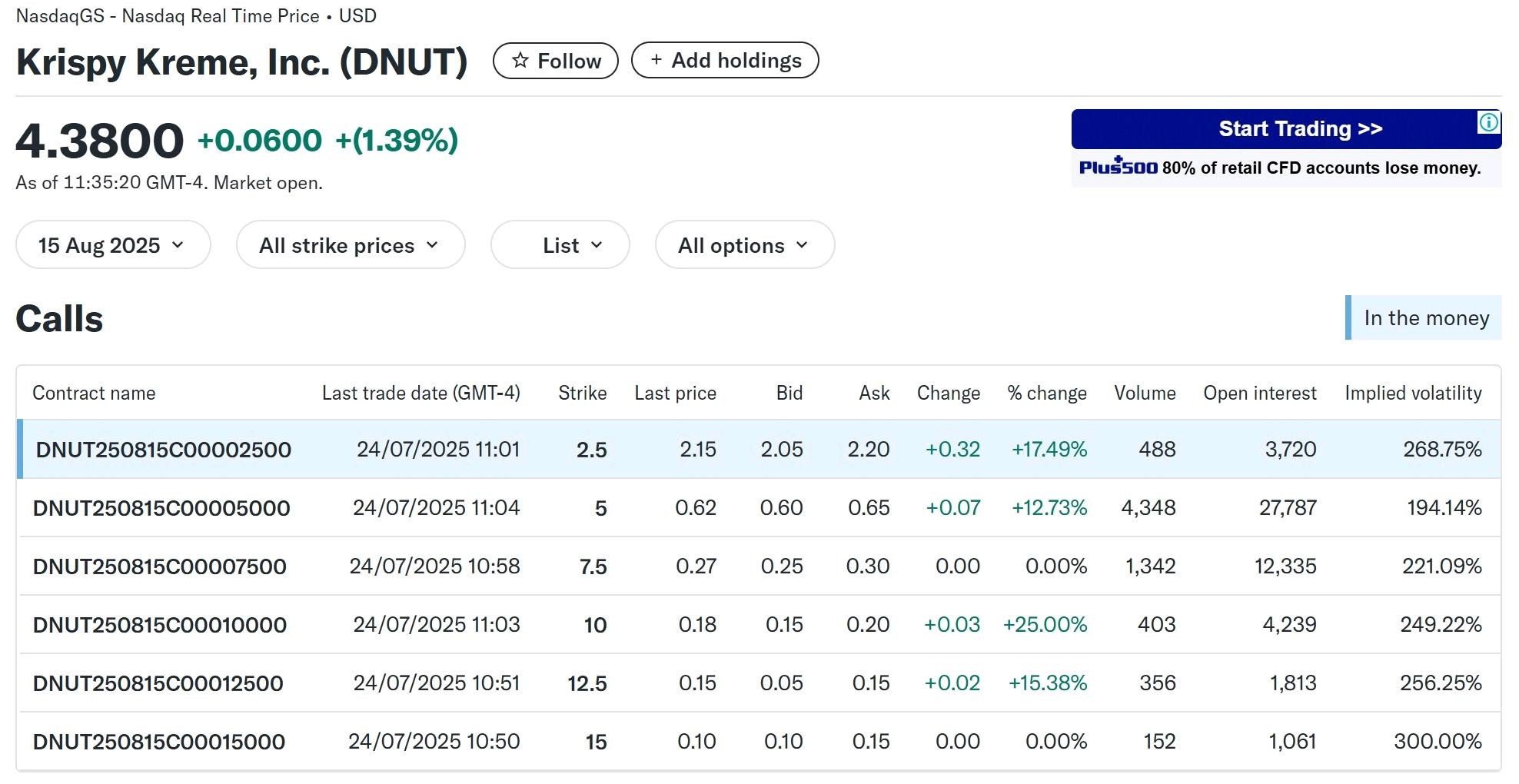
A trader known as “Dan” revealed he risked $100,000 on Krispy Kreme after sniffing heavy call-option volume. Pre-market gains of 40% briefly netted him $45,000 before profits evaporated by midday.
Another user showed how a $250 bet on Krispy Kreme’s out-of-the-money calls rose from $0.05 to $1.30, turning that small stake into nearly $6,000 in a single session. These tales echo the 2021 GameStop saga, with overnight fortunes fueling collective excitement.
Can Retailers Ignite New Short Squeezes?
Names like OpenDoor Technologies and Kohl’s saw volume and call demand surge, pushing prices up 14% and 20.5% intraday.
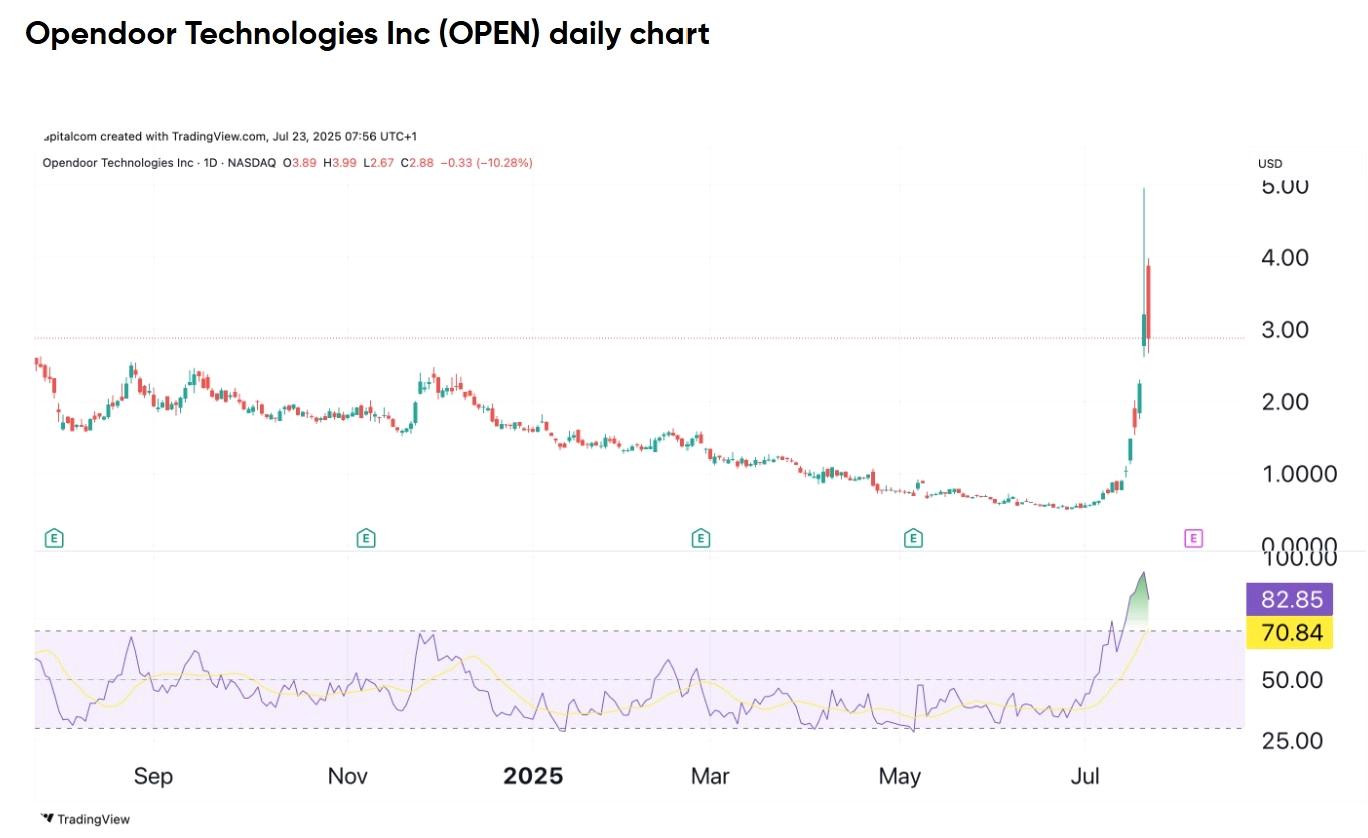
Traders hunted for high-short-interest targets, betting that gamma-squeeze mechanics—where market-makers buy shares to hedge call-option exposure—would amplify the moves.
This week’s rally was also evident in GoPro and Beyond Meat, where heavy option flow and social-media buzz translated into swift, if fleeting, share spikes. Yet by day’s end, most gains had faded, highlighting the manic ebb and flow of these retail-fueled trades.
Options on the Edge?
Wall Street strategists warn that zero-day to expiry options have become the weapon of choice for speculative retail traders.
Barclays’ proprietary “stock frenzy index,” derived from options data, has surged to its highest yearly level, indicating a record proportion of names in a state of retail-driven mania.
Charles Schwab’s chief strategist Liz Ann Sonders noted that top performers this cycle are unprofitable tech and heavily-shorted stocks—classic hallmarks of retail gamblers pushing the envelope with near-expiring options and wild risk-reward profiles.
Institutional Shift in Focus
Morgan Stanley analysts observe that retail option trading, combined with corporate buybacks, is propping up equities despite macro uncertainties.
With GDP and inflation volatility dampening, volatility-control funds have been re-allocating into stocks, boosting demand.
According to Barclays, volatility-sensitive funds now hold roughly 55% in equities, up from 20% at the start of the year, and could rise to 70% under a benign rate environment.
This influx, alongside retail’s aggressive option plays, is redrawing the supply‑demand dynamic in U.S. markets.
The 2021 meme-stock phenomenon may not be fully repeatable—pandemic stimulus checks and global lockdown boredom were unique catalysts—but today’s retail traders, armed with rapid-fire options and social-media firepower, are proving they can still spark dramatic, if short-lived, market moves.
As institutions adapt, all eyes will be on whether this wave of “zero-day” bets can sustain itself or merely remains a flashpoint in the evolving landscape of market microstructure.