
ECB on Hold: Has the Rate‑Cut Cycle Finally Ended?

The European Central Bank (ECB) surprised no one this Thursday by pausing its eight-meeting streak of rate cuts, holding its key rates at 2.00% (deposit), 2.15% (main refinancing), and 2.40% (marginal lending).
President Christine Lagarde warned of downside growth risks even as trade tensions and fiscal largesse could rekindle inflationary pressures.
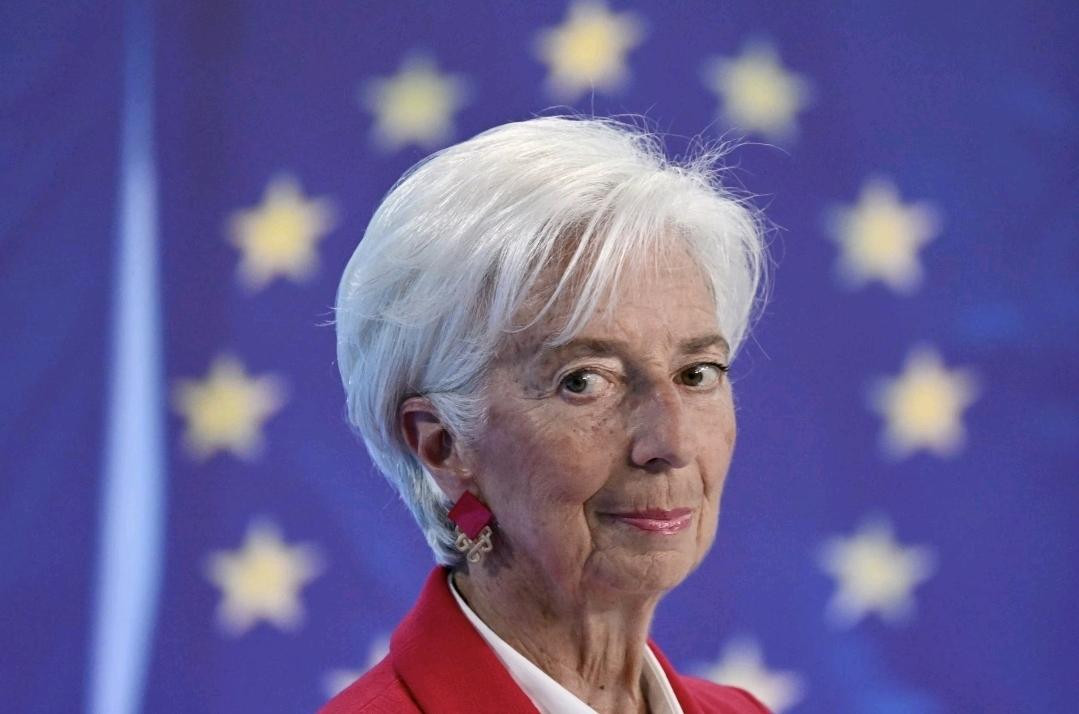
With euro-area headline inflation now sitting squarely at the 2% target, the ECB has shifted into a Fed-style “wait-and-see” stance—leaving markets to wonder whether further easing or an early pivot back to tightening lies ahead.
Key Takeaways
- Rates Unchanged: Deposit rate at 2.00%, refinancing at 2.15%, marginal lending at 2.40%, pausing after eight consecutive cuts.
- Inflation on Target: Euro-area headline inflation has reached the ECB’s 2% medium-term goal.
- Growth Risks: Downside risks prevail amid global trade uncertainty and cautious business sentiment.
- Euro Strength: A 13% rise against the dollar this year is exerting additional disinflationary pressure.
- Policy Outlook: Data-dependence emphasized; future easing or tightening will hinge on trade developments, fiscal stimulus, and supply-side shocks.

Why the Pause Now?
By June 2024, the ECB had cut its deposit rate from 4.00% to 2.00% over eight meetings, aiming to combat slowing growth and low inflation.
As headline inflation finally reached 2%, policymakers opted to pause. Lagarde noted the eurozone’s resilience but pointed to new trade disputes and a strong euro as complicating factors.
A proposed 30% U.S. tariff on EU exports from August 1 and Brussels’ planned duties on €93 billion of U.S. goods have clouded the outlook.
At the same time, the euro’s 13% year-to-date gain against the dollar is delivering unexpected disinflation by lowering import costs. Lagarde also warned that supply-chain fragmentation and extreme weather could spark a second inflationary wave.
How Are Markets Reacting?
Traders had broadly anticipated a pause, but futures now split almost evenly on whether another cut—to 1.75%—will come by year-end. German Bund yields dipped modestly, reflecting recalibrated rate‑cut expectations, while the euro slid slightly from six-month highs.
Equities across the eurozone ticked higher, buoyed by hopes that the ECB will avoid premature tightening and continue supporting growth.
What Did Lagarde Really Say?
In her press remarks, Lagarde emphasized that inflation “has returned to our 2% target,” but downside growth risks persist. She highlighted that if trade tensions ease and fiscal support ramps up, demand could rebound sharply—pushing prices higher.
Conversely, a strong euro and lingering geopolitical frictions could keep inflation below target, warranting continued vigilance and data-driven decision-making.
Is More Easing on the Horizon?
Market consensus still points to at least one cut before year-end, though opinions diverge. Some strategists believe the ECB will reduce rates to 1.75% in response to muted inflationary momentum.
Others—like Deutsche Bank’s Mark Wall—argue the ECB is simply “keeping all options open,” even suggesting that an eventual hike could be needed if growth and fiscal stimulus drive inflation back above target.
Looking Ahead: Data, Trade, and the Next Move
With the ECB in full “data-dependent” mode, attention centers on upcoming inflation reports, trade negotiations, and fiscal policy developments. Core and headline CPI readings in Q3 will be critical to guiding the next decision.
Any swift de-escalation of U.S.‑EU tariffs could revive export growth—and inflation—while major fiscal packages in member states might tip the scales toward either further easing or an unexpected return to tightening.